 0
0
 0
0
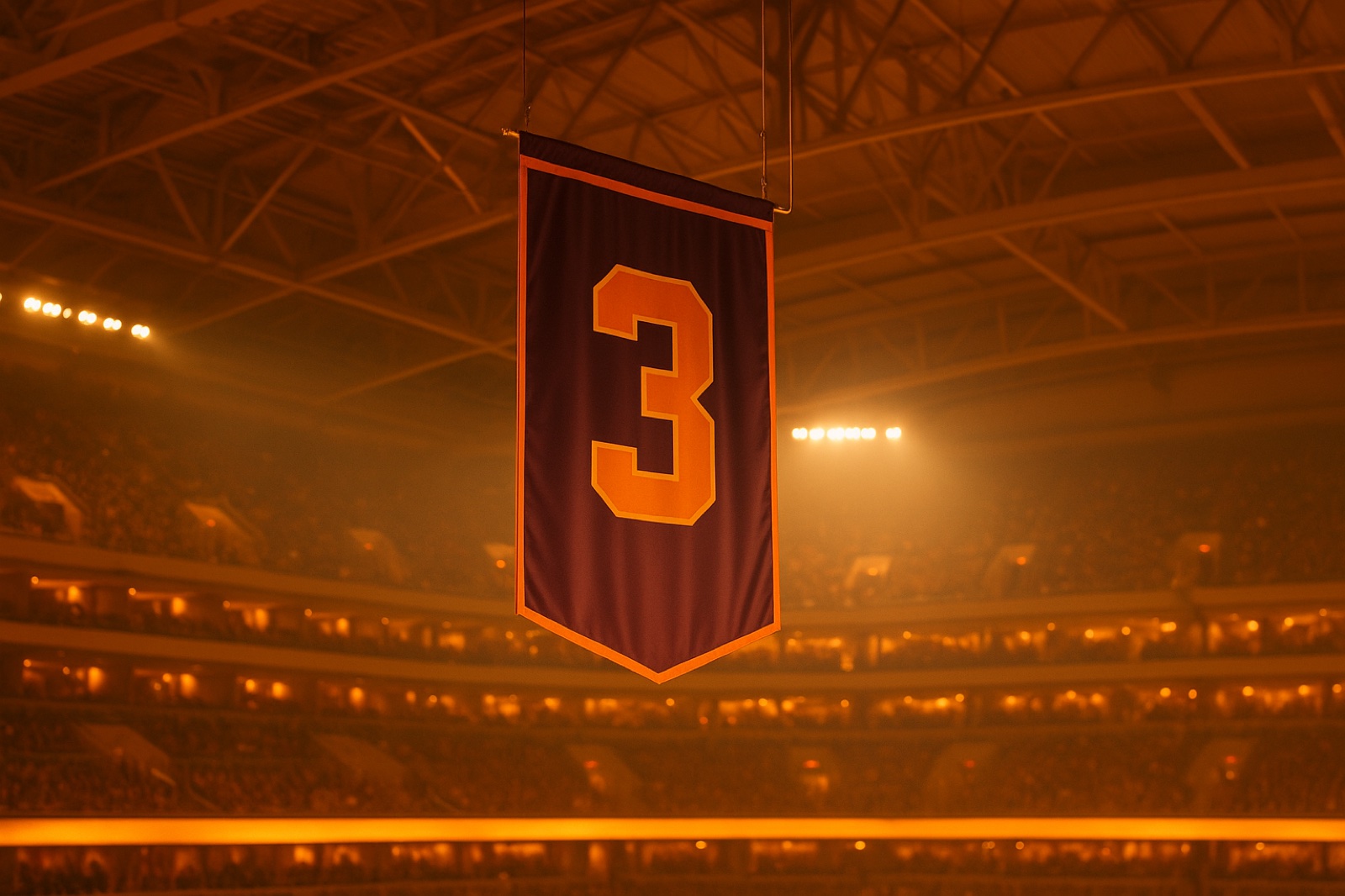
On August 16, 2026, the Phoenix Mercury will stop the game against the Portland Fire, hand Diana Taurasi a microphone, and send her No. 3 jersey up into the rafters for good. No one will ever wear it again. It will hang there, spotlighted, long after everyone in the building that night has gone home.
It sounds like the most permanent thing sports can offer. And in a way, it is — Taurasi will be only the fifth player in Mercury history to get this honor, joining Michele Timms, Jennifer Gillom, Bridget Pettis, and her own wife, fellow Mercury great Penny Taylor, whose No. 13 already hangs in that same building. Two numbers, one marriage, both suspended over the same court.
But before you picture that banner as untouchable, it’s worth asking a simple question: how permanent is “permanent,” really — in a building?
The Numbers Behind the Number
Taurasi earned this. She played twenty-one seasons in the WNBA, every one of them in Phoenix, from 2004 until her retirement in February 2025. She is the league’s all-time leading scorer with 10,646 points — a number no one else has touched — and sits fourth all-time in assists. She won three championships, made eleven All-Star teams, and took home regular-season MVP honors in 2009. Whatever “greatest of all time” means in women’s basketball, her name is in that conversation without an asterisk — the kind of competitive drive that raises its own question about what wanting to win is actually for.
A jersey retirement is the sport’s way of saying: this can never happen again. No future Mercury player will ever wear No. 3. It is retired from circulation, permanently, the way a word gets struck from a language.
Except the Building Around It Never Sits Still
Here’s the part that rarely gets said out loud on the night a banner goes up: the building holding it is not permanent at all.
Taurasi’s own home arena in Phoenix has changed its name four times during her career alone — America West Arena, then US Airways Center, then Talking Stick Resort Arena, then Footprint Center. Same building, same rafters, four different names on the outside depending on who bought the sponsorship rights that decade. The banner didn’t move. The identity of the building around it did, more than once.
Zoom out and it gets more dramatic. The original Yankee Stadium — home to some of the most famous retired numbers in American sports — was demolished in 2010. Every one of those banners had to be taken down, packed up, and rehung across the street in a new building. Veterans Stadium in Philadelphia, the Astrodome in Houston, the Boston Garden that once held the Celtics’ seventeen championship banners: torn down, gutted, or left to sit empty. The banners survive only because someone physically saves them and carries them somewhere else. Left alone, a building is not forever. It is just slow to fall down.
None of this makes Taurasi’s honor less real. It makes it something more interesting than “permanent” — it makes it an act of care. People have to keep choosing to preserve it. A number retirement isn’t a law of physics. It’s a promise a franchise keeps making, year after year, on purpose. It’s the same quiet question that came up when Justin Verlander retired with 266 wins already locked into the record books — a number can be frozen forever, but the number was never really the thing anyone showed up to watch.
A Different Kind of Permanent
That distinction — between something that lasts because someone keeps choosing to hold onto it, and something that simply cannot be undone no matter what happens to the building around it — is older than any arena.
Long before sponsorship deals renamed stadiums, people were already wrestling with the same fear that sits underneath every retirement ceremony: will I be remembered once I’m gone, once the room changes, once the people who knew me are gone too? Across centuries of faith writing, the answer that keeps showing up isn’t a monument. It’s a claim that a name can be held somewhere no wrecking ball, no rebrand, and no empty stadium can ever reach — kept by something bigger than the people doing the keeping. Not preserved. Held.
That’s a strange kind of comfort to find on a night built around basketball. But it’s there anyway, underneath the ceremony: the idea that the truest kind of “never forgotten” was never supposed to depend on steel beams or a sponsor renewing a contract. It’s a little like the gesture athletes make toward the sky after they score — a small, almost automatic admission that whatever just happened, they didn’t do it entirely alone.
What Actually Goes Up in the Rafters
None of that makes the banner meaningless. If anything, it makes the ceremony more moving, not less. Every person who shows up on August 16 to watch Diana Taurasi’s number rise into the rafters of Footprint Center is participating in something genuinely rare: a whole city agreeing, together, to keep choosing to remember.
That’s worth showing up for. It’s worth the standing ovation, the highlight reel, the tears from a wife watching her own retired number get company. Just don’t mistake the banner for the whole promise. The banner is the visible part — the part we can applaud. The part that actually lasts doesn’t hang from any ceiling at all.
Discussion Question
What do you think actually lasts longer — a banner in the rafters, or the way someone made the people around them feel while they were playing? Tell us in the comments.
Share This
- “The Phoenix Mercury are retiring Diana Taurasi’s jersey this August. Cool story about her — but also about how little of what we call ‘permanent’ actually is: https://bgodinspired.com/index.php/sports-and-faith/diana-taurasi-jersey-retirement-mercury-permanence/”
- “Did you know Diana Taurasi’s own arena has changed names FOUR times during her career? Her jersey’s still going up though. Made me think about what actually stays put: https://bgodinspired.com/index.php/sports-and-faith/diana-taurasi-jersey-retirement-mercury-permanence/”
- “Banners come down. Buildings get renamed. Read this before Diana Taurasi’s jersey retirement on Aug 16 — it’s not really about basketball. https://bgodinspired.com/index.php/sports-and-faith/diana-taurasi-jersey-retirement-mercury-permanence/”
Frequently Asked Questions
When is Diana Taurasi’s jersey retirement ceremony?
The Phoenix Mercury will retire Diana Taurasi’s No. 3 jersey and induct her into the team’s Ring of Honor on August 16, 2026, during a home game against the Portland Fire.
How many points did Diana Taurasi score in her WNBA career?
Taurasi finished her career with 10,646 points, making her the WNBA’s all-time leading scorer. She also ranks fourth all-time in career assists.
How many Phoenix Mercury players have had their jersey number retired?
Taurasi will become the fifth Mercury player with a retired number, joining Michele Timms (No. 7), Penny Taylor (No. 13), Jennifer Gillom (No. 22), and Bridget Pettis.
What team did Diana Taurasi play for during her WNBA career?
Taurasi played her entire 21-season WNBA career with the Phoenix Mercury, from 2004 until her retirement in February 2025. She won three championships and one regular-season MVP award (2009) with the team.
Can anything in a stadium really be called permanent?
Not really, and that’s the point of the story. Arenas get renamed for sponsors, teams relocate, and even famous stadiums like the original Yankee Stadium get demolished — which means retired banners have to be physically saved and moved. What we call “permanent” in sports usually means “cared for on purpose,” not “unable to be undone.”