

A record 27% of workers now worry technology will make their job obsolete. Gallup’s own numbers say something more interesting than the headline does.

 0
 0
Open Dialogue Trial: Fewer Hospital Stays, Same Relapses
The first Open Dialogue trial cut psychiatric admissions sharply but did not reduce relapse. The social networks it was built on never measurably grew.
 0
0
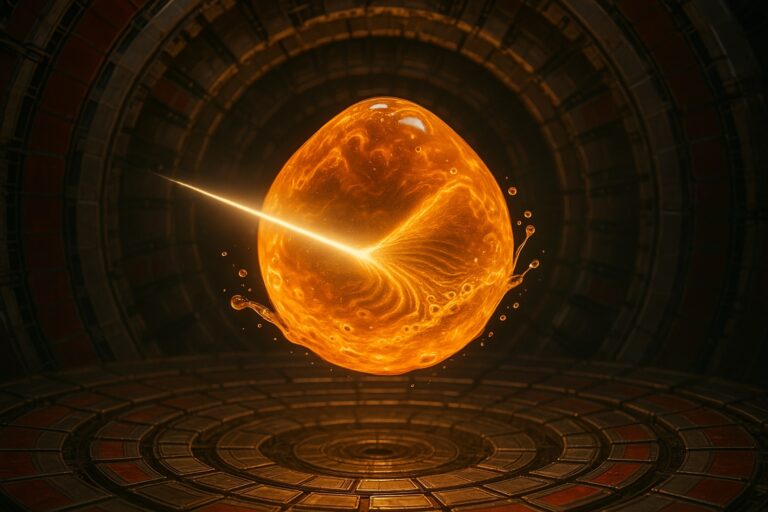
Quark-Gluon Plasma Behaves Like a Liquid. One Quark’s Wake Shows It.
Quark-gluon plasma, the matter that filled the newborn universe, flows like a liquid. One quark’s wake showed it. What was found, and what is still unknown.
 0
0
Tampa Bay Pottery: Migrants Mixed Old Pots Into New Ones
Tampa Bay pottery made about a thousand years ago hides crushed bits of older pots from far to the north. Here is how archaeologists read migration in the clay.
 0
0
Cancer Caused by Infections: 1 in 8 Cases, Most Preventable
Cancer caused by infections: about 2.3 million cases in 2024, 1 in 8 worldwide. The top cause isn’t a virus, and most of these cancers can already be prevented.
 0
0
Why Is No One Hiring? The Number the Headlines Skipped
Why is no one hiring? September added only 29,000 US jobs. But the number that matters is 27.1% – the share of unemployed people out six months or more.
 0
0
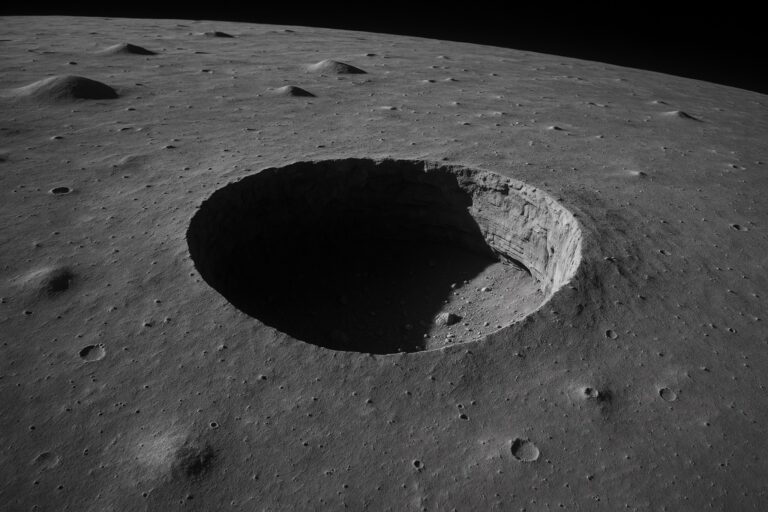
The Moon Cave That Might Be Hiding Under This Hole
NASA just picked a mission to find out if a hole on the Moon opens into a moon cave. What the radar already saw in 2017, and why rock beats anything we build.
 0
0
Can Knee Cartilage Grow Back? One Protein Was in the Way

Can knee cartilage grow back? Blocking one protein that builds up with age regrew real cartilage in aged mice, with no stem cells. Here is the honest catch.
 0
0
Colorectal Cancer in Teens: The Symptom Most People Miss
Colorectal cancer in teens is usually advanced by the time it is found. In a study of 84 patients aged 21 and under, the most common symptom was not bleeding.
 0
0
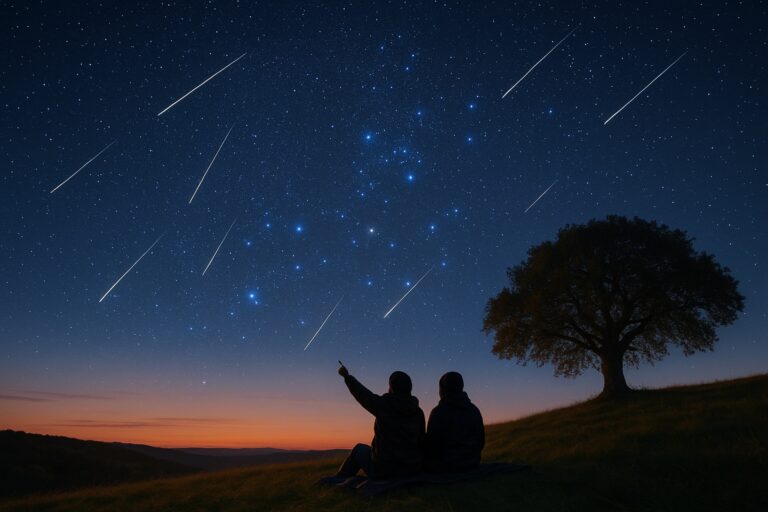
Orionid Meteor Shower 2026: Every Streak Is a Piece of Halley’s Comet
The Orionid meteor shower peaks around 21-22 October 2026. Every streak is dust from Halley’s Comet, which most of us will see once in our lives, if ever.