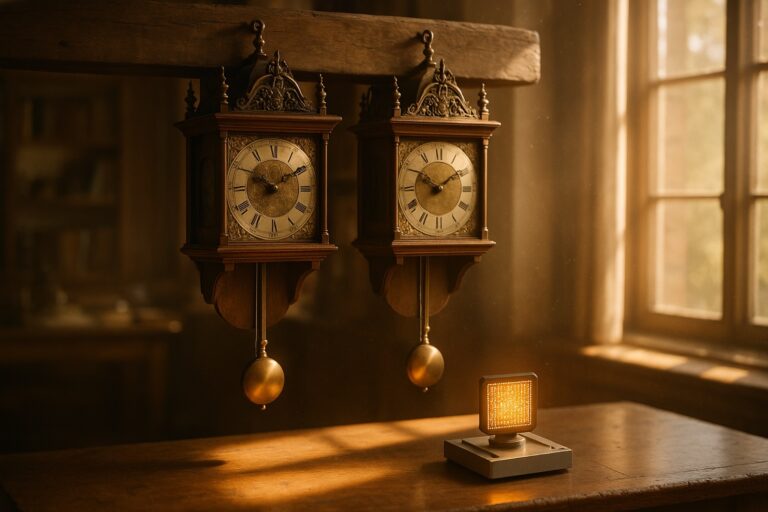

Time crystals on a chip just fell into one rhythm, like two clocks on one wooden beam did in 1665. Why sharing the same ground matters more than matching.
 0
0
 0
0
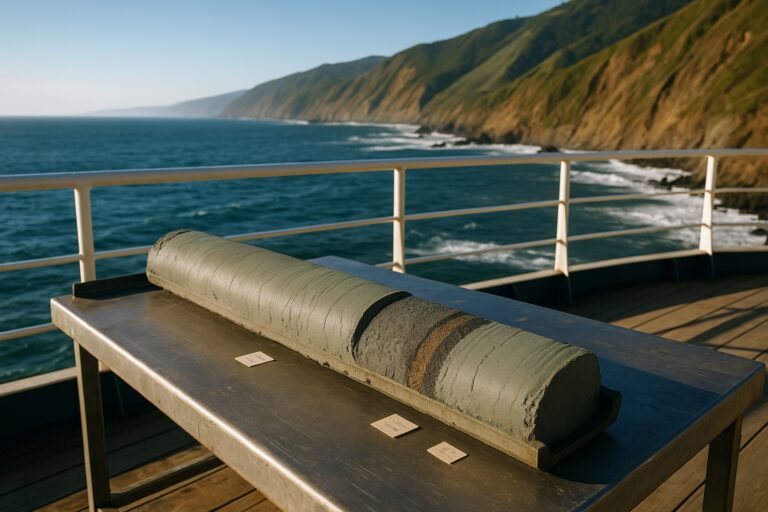
The Cascadia and San Andreas Faults May Rupture Together. The Clue Was Buried in Seafloor Mud.
Could the Cascadia and San Andreas faults rupture together? 3,100 years of seafloor mud say it has happened, maybe minutes apart. Here’s what the study found.
 0
0
0
0
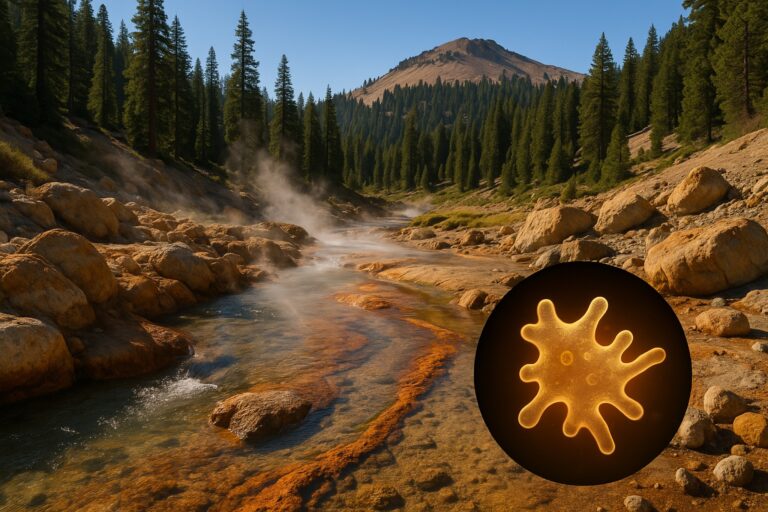
The Fire Amoeba Breaks the Heat Limit for Complex Life — and Can’t Live Without the Heat
The fire amoeba divides at 63°C in a California volcanic stream, a new record for complex life. The surprise: it can’t even grow below 42°C. It needs the heat.
 0
0
0
0
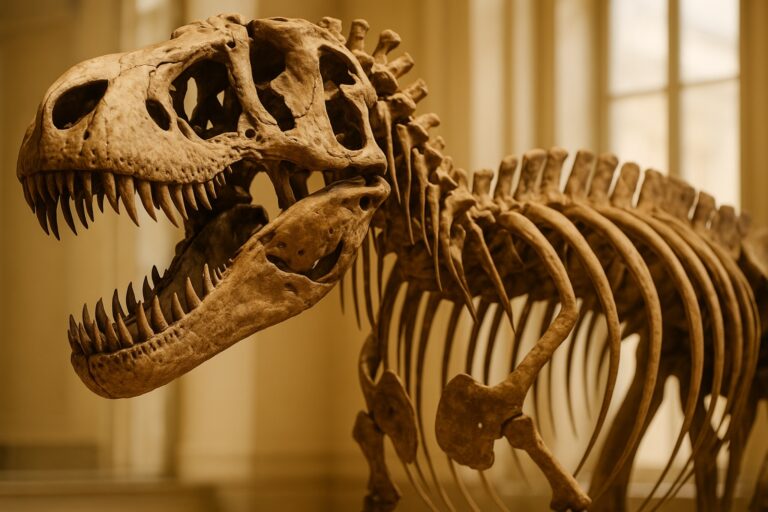
Scotty the T. Rex Was Still Healing a Broken Rib When He Died – and the Blood Vessels Are Still There
Scotty the T. rex, the biggest ever found, was still healing a broken rib when he died. The blood vessels his body grew into the break are still there.
 0
0
0
0
Is the Atlantic Ocean Current Slowing Down? Two Answers, One Ocean
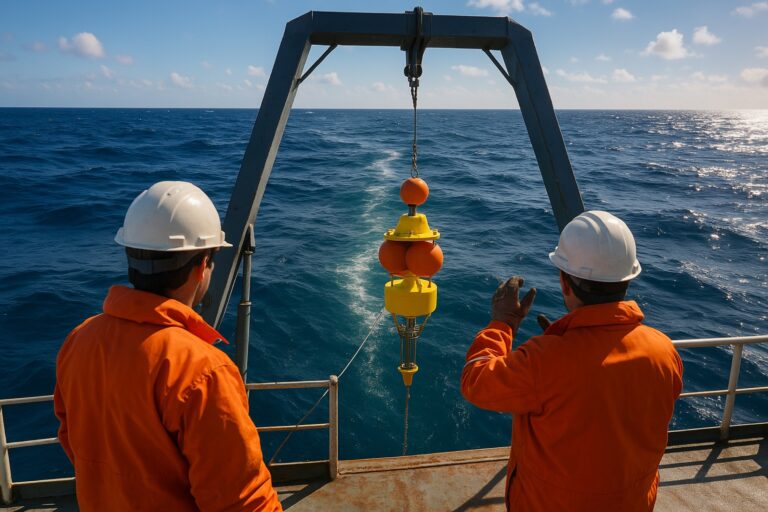
Is the Atlantic Ocean current slowing down? Twenty years of deep-sea measurements say yes. A new analysis says not so fast. Here is what each one found.
 0
0
0
0
El Niño 2026 Could Be the Strongest on Record. Its Name Means “the Christ Child” – and the Fishermen Who Gave It That Name Were the Ones It Hurt First
El Niño 2026 is heading for “very strong,” maybe the strongest on record. Here’s what it means, where it hits, how to prepare, and why it’s named for a child.
 0
0
0
0
The Harvest Moon Rises September 26. It Isn’t Bigger — It’s Just on Time
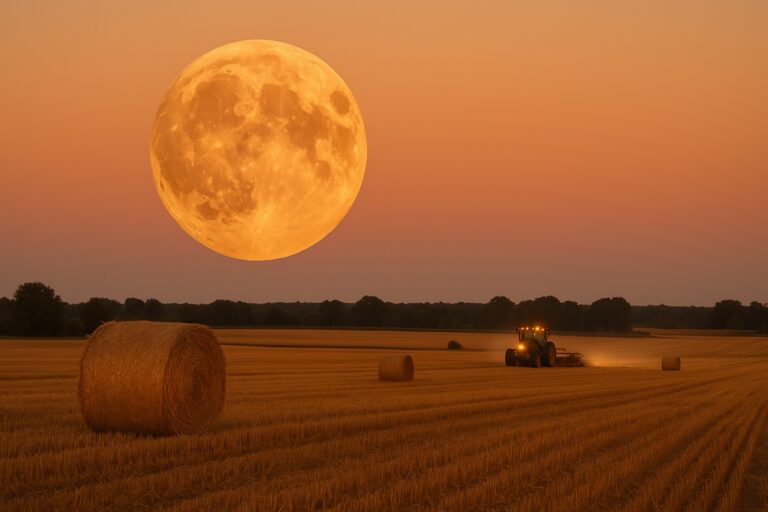
The Harvest Moon 2026 rises Saturday, September 26. It isn’t bigger than other full moons. What makes it special is when it rises — and where you live matters.
 0
0
0
0
Lake Powell Hit a Record Low. The Snow Fell, but the Water Never Arrived

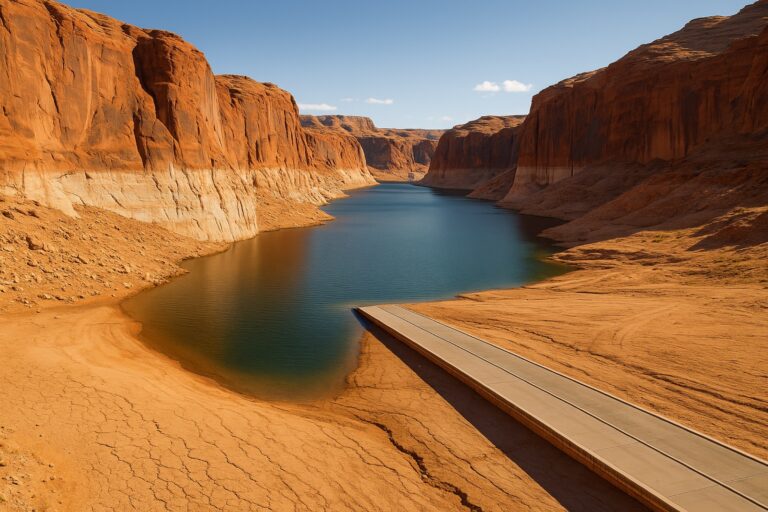
Lake Powell hit a record low in 2026 even though snow fell upstream. Here is where the water went, and the one thing a reservoir can never do on its own.
 0
0
0
0
What Would Happen If Yellowstone Erupted? The Warning Signs Would Come Weeks First
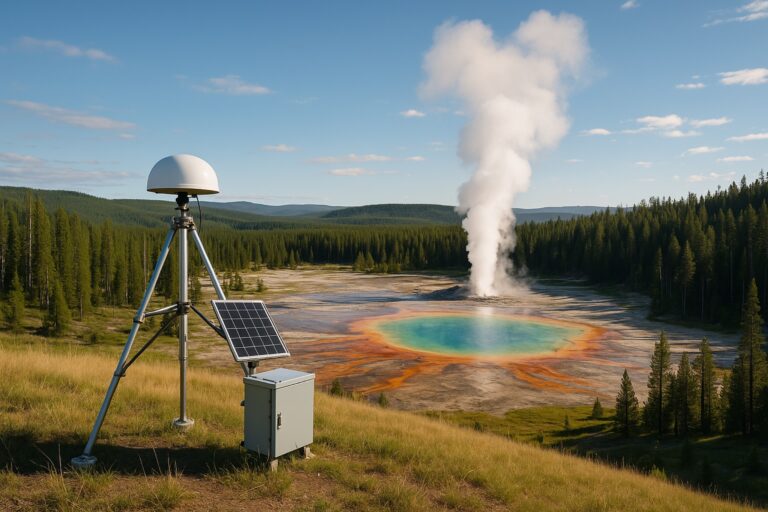
What would happen if the Yellowstone supervolcano erupted? It would not come out of nowhere. Here are the warning signs that would show up weeks first.
 0
0
0
0
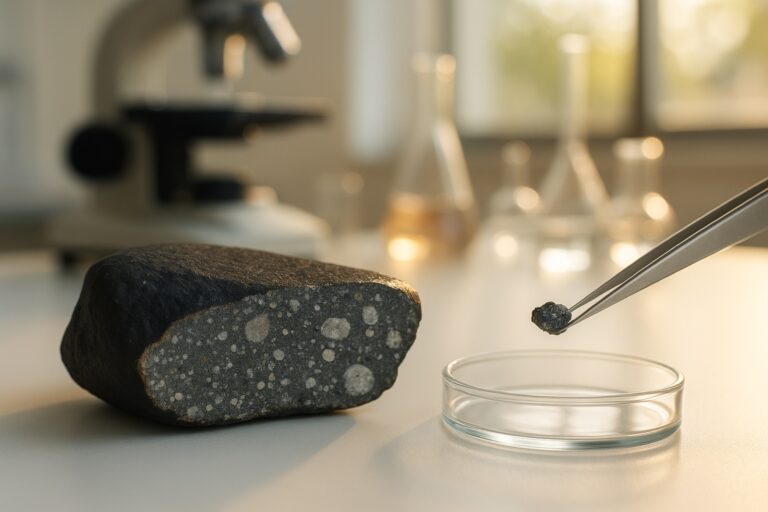
91,000 Molecules in One Meteorite, and Still No Life
Scientists found 91,000+ meteorite organic molecules in one space rock and photographed 14. Here’s what they found, and what they were careful to rule out.