

Train to Pakistan ending explained: Khushwant Singh never names the man on the rope, and never lets you inside his head. That silence is the whole point.

 0
0
 0
0
Nervous Conditions Meaning: The Gift That Came With a Bill
Nervous Conditions meaning: Tsitsi Dangarembga’s novel tells you its ending on page one. What it is really about is a gift that arrives with an invoice.
 0
0
0
0
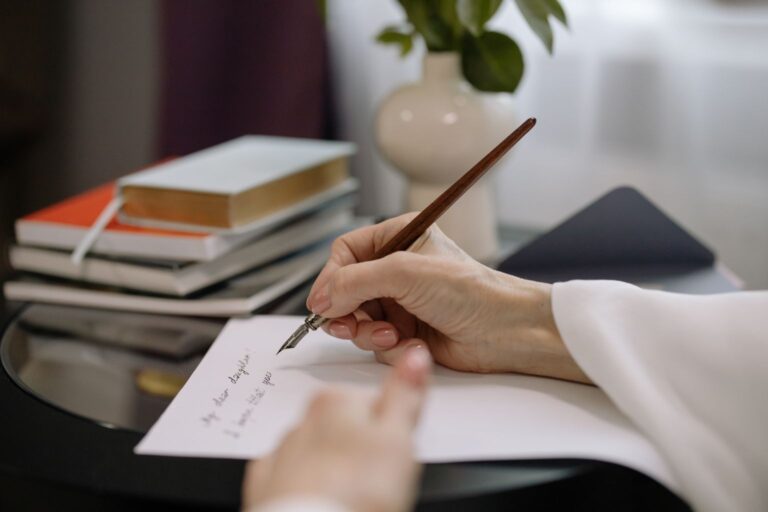
Disgrace Ending Explained: Why Coetzee Ends With a Dog
Disgrace ending explained: J.M. Coetzee gives Lurie two confessions, one to save his job and one for nothing. Why the novel closes on a dog he gives up.
 0
0
0
0
Human-Authored Books: Why We Now Label Who Wrote Them
Human-authored books now carry labels in the US, UK and France. What each one checks, what none of them can prove, and why we care so much who made a thing.
 0
0
0
0
Three-Body Problem Ending Explained: Why She Answered
The Three-Body Problem ending explained: Ye Wenjie was warned not to answer, and answered anyway. The nobody who sent that warning is the key to the book.
 0
0
0
0
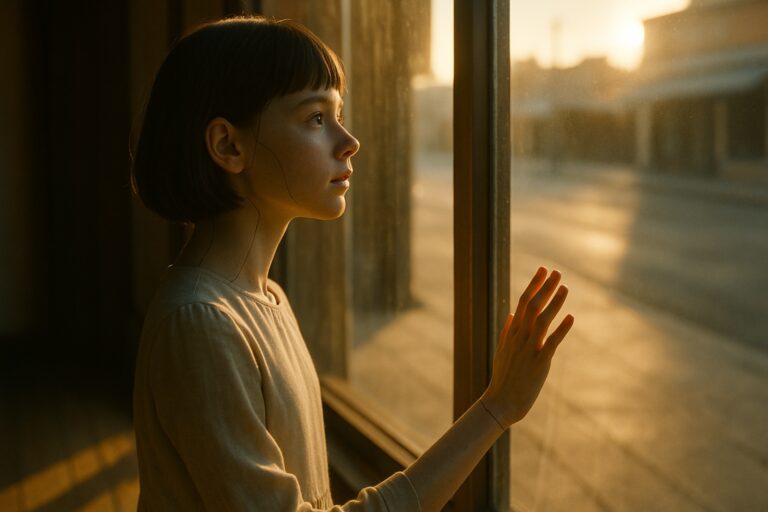
Jekyll and Hyde Meaning: The Potion Didn’t Make Hyde
Jekyll and Hyde meaning: the drug never made Hyde. Stevenson wrote it was neither diabolical nor divine – it only opened a door that was already there.
 0
0
0
0
Klara and the Sun Movie: What a Camera Cannot Film
The Klara and the Sun movie opens 23 October. The novel lives inside the head of a robot who gets things wrong, and that is the hardest thing to put on film.
 0
0
0
0
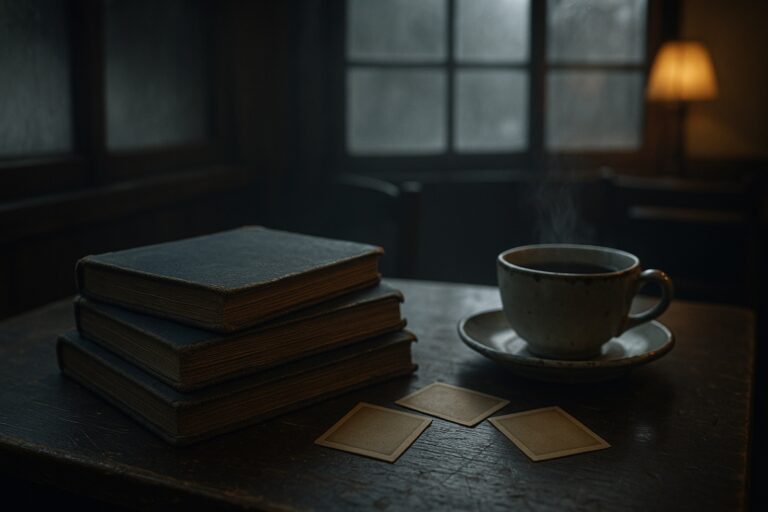
Catch-22 Meaning: The Rule That Was Never Written Down
Catch-22 meaning: a trap where the only way out is blocked by the rule itself. Where Heller got it, why 22, and the twist in the novel that changes the phrase.
 0
0
0
0
No Longer Human Meaning: The Last Word Isn’t Yozo’s
No Longer Human meaning: Yozo judges himself unfit to be human. Then Dazai hands the novel’s last line to someone who loved him. The ending, explained.
 0
0
0
0
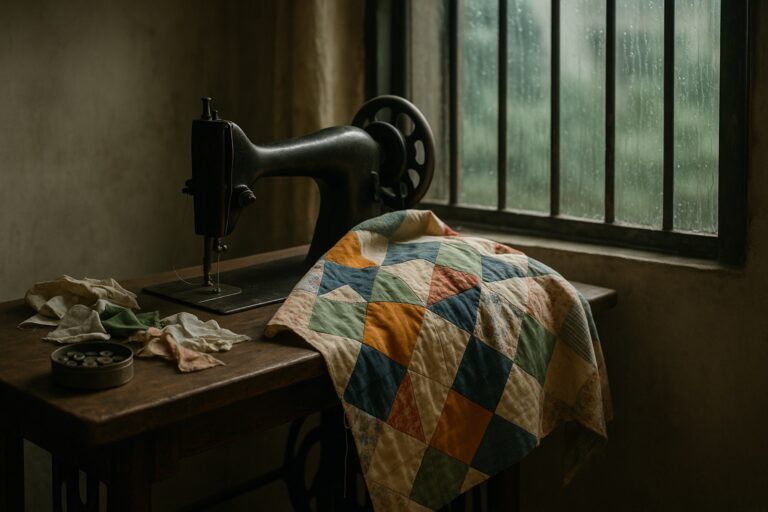
A Fine Balance Meaning: The Quilt Nobody Abandoned
A Fine Balance meaning, read through Dina’s quilt: Maneck says God gave up on the pattern. Rohinton Mistry’s last pages show who is still stitching.