

Alice in Borderland meaning, read through its suits: every hearts game attacks what holds people together, and the last one can only be lost by quitting.
 0
0
 0
0
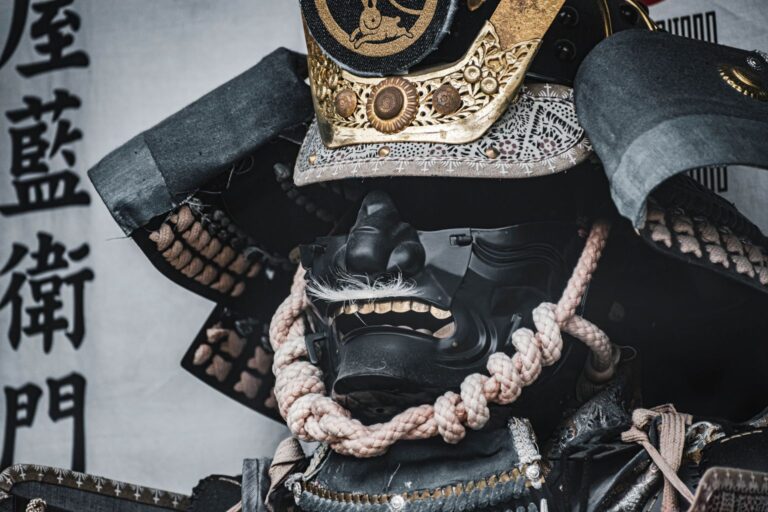
Shogun Ending Explained: Why Mariko Was Already Free
Shogun ending explained: the finale has no battle because the battle already happened, in a storehouse doorway in Osaka. Why Mariko could not be threatened.
 0
0
0
0
What Is a Comfort Character? Predictability Is the Point
What is a comfort character? Where the term came from in 2020, and the research showing a brand-new episode of your favorite show will not do the job.
 0
0
0
0
Money Heist Berlin: Why We Love the Worst Man in the Mint
Money Heist’s Berlin is cruel, vain and dying. His last stand in the Mint cost him less than anyone’s would have, and the show never pretends it fixed him.
 0
0
0
0
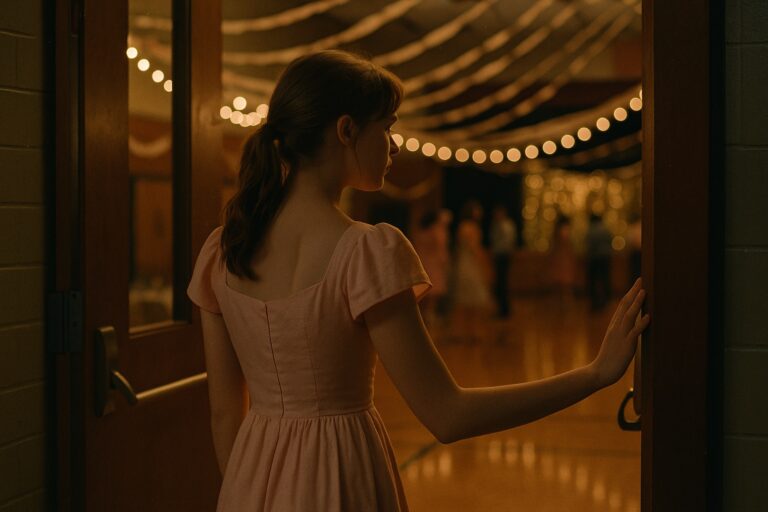
Stephen King’s Carrie: Fear Wearing the Clothes of Love
Carrie Stephen King fans: Mike Flanagan’s 8-episode series lands October 7. The real horror was never the powers. It was fear wearing the clothes of love.
 0
0
0
0
Timshel Meaning: The Hebrew Word Behind East of Eden
Timshel meaning, explained: the Hebrew word at the heart of East of Eden. Steinbeck read it as ‘thou mayest.’ The real word holds one more idea he left out.
 0
0
0
0
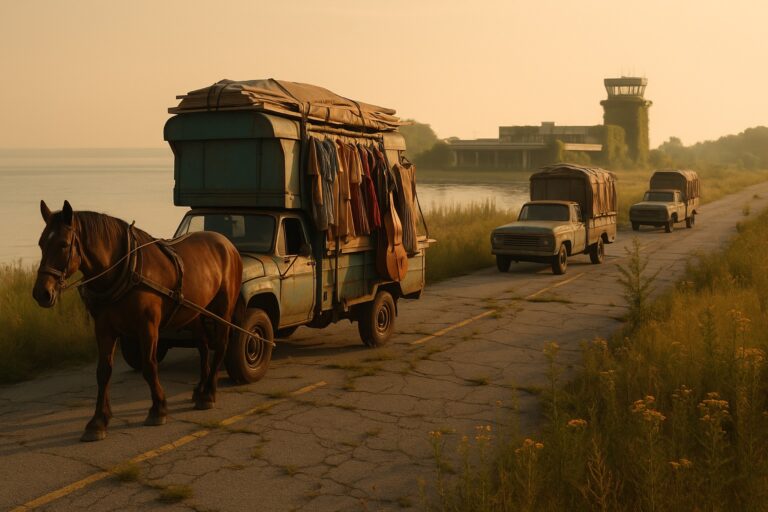
Station Eleven Meaning: Why Survival Is Insufficient
Station Eleven meaning, read closely: one comic book, given by one man to two children, becomes a script for one and a scripture for the other. The finale is defused by a book.
 0
0
0
0
Esther Rantzen Dies at 86: The Night 50,000 Children Called
Esther Rantzen has died at 86. In 1986 her Childline took 50,000 attempted calls in one night. Many never got through, and that is why it stayed open for good.
 0
0
0
0
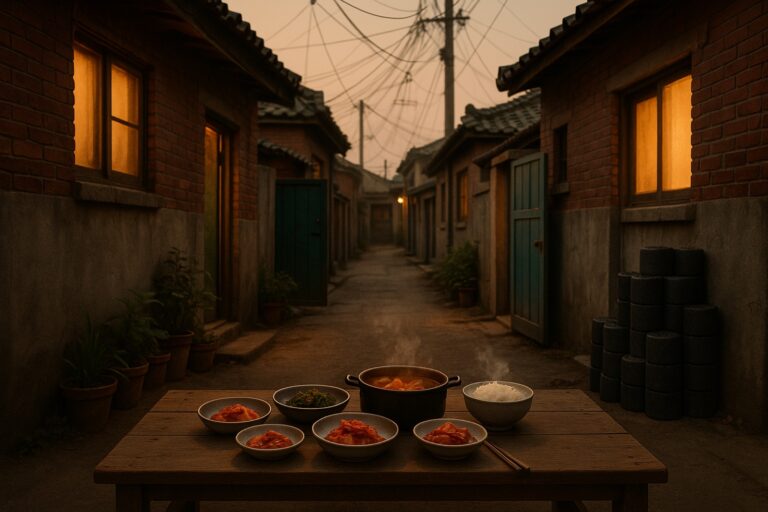
Reply 1988 Meaning: The Husband Was Never the Point
Reply 1988 meaning, read closely: the who-is-the-husband mystery keeps you watching, but the real story is the bowls of food crossing one Seoul alley every night.
 0
0
0
0
Frieren Meaning: The Elf Who Learned to Count Days
Frieren meaning, read closely: an elf who has lived a thousand years loses the ten that mattered most, and the whole series slows down so she can learn to count days the way humans do.