 0
0
 0
0
Two years ago, the Chicago White Sox were the worst team anyone alive had ever watched.
In 2024 they lost 121 games. A major league baseball season is 162 games long, so that is three losses out of every four times they took the field. No team had lost that many in more than 120 years. Sports writers ran out of new ways to say “bad.”
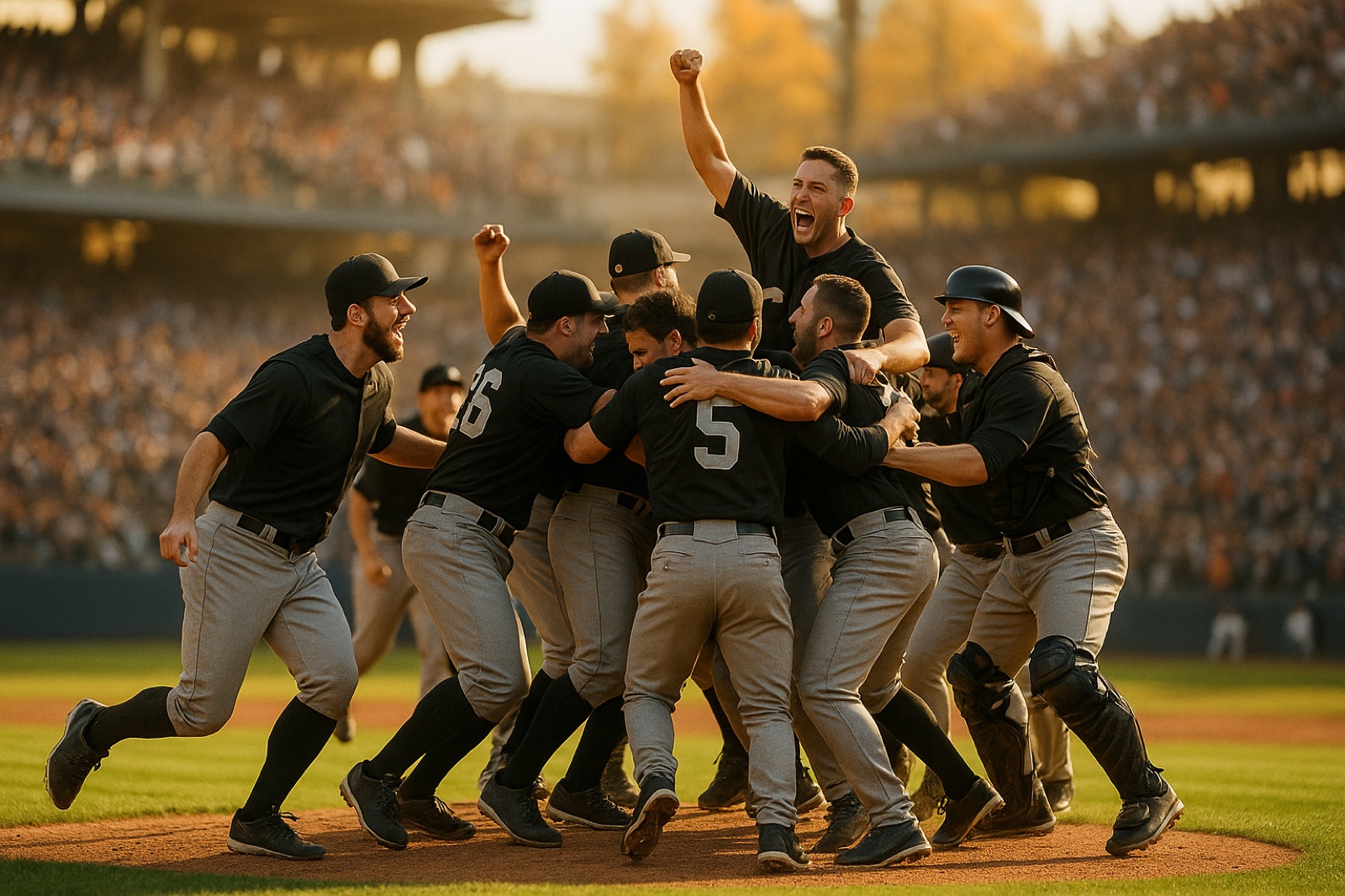
This week, that same club walked into Houston for the playoffs and won. Twice. The White Sox turnaround is now the biggest story in October baseball, and it carries something worth noticing even if you have never watched a single inning.
The White Sox Turnaround, in Plain Numbers
Here is the whole climb, one season at a time:
- 2023: 61 wins, 101 losses.
- 2024: 41 wins, 121 losses. The most losses by any team since 1899.
- 2025: 60 wins, 102 losses. A third straight season of 100 or more defeats.
- 2026: 84 wins, 78 losses, and a place in the playoffs.
They clinched that place on September 24 with a 9-1 win in Kansas City. According to coverage of the clinch, no team in major league history had ever gone straight from back-to-back 100-loss seasons to the playoffs. Then, on September 29 and 30, they beat the Houston Astros 6-3 and 7-3 to sweep a best-of-three Wild Card series on the road. It was the club’s first playoff series win since 2005.
Next they face the Cleveland Guardians in the Division Series, starting October 3.
If you have ever lived through a stretch of years you would rather forget, you already know why this story is getting attention far beyond Chicago. People don’t only love a winner. They love a comeback from a place everyone had written off.
It Didn’t Look Like a Miracle Up Close
Here is the part that surprised me most when I looked at the season itself.
There was no magic streak. The White Sox never won more than five games in a row all year. They only lost four straight twice. By the numbers, the turnaround was built out of ordinary weeks: win a few, lose one, win again, keep showing up.
And 84 wins is not a dominant record. It’s a good one. It’s six games better than losing half the time. Chicago didn’t even win its own division; it finished one game behind Cleveland, the very team it plays next.
That matters, because it’s the opposite of how we picture a comeback. In the movie version, there’s a speech, a hot streak, a single night where everything changes. In real life, the White Sox mostly got a little less bad, and then a little better, and then steady. Reports on the season point to a rebuilt roster of younger players, much better pitching, and plenty of home runs. One report on the clinch noted that only two everyday position players were left from the 2024 roster. Most of the people winning now are not the ones who lost 121 games.
So the honest version of this story isn’t “they flipped a switch.” It’s “they kept going long enough for slow things to add up.”
What a Lost Season Actually Costs
Losing that much doesn’t just hurt a scoreboard. It shapes people. Players start expecting the worst. Fans stop buying tickets. A city learns to make jokes before anyone else can make them first. Bad years teach you to protect yourself from hope.
Most of us have a version of that. Maybe it was a job that drained you for three years. An illness. A marriage that ended. A stretch where you were just surviving, and you look back now and think, “I lost that time. I can’t get it back.”
That last sentence is true. You can’t get the calendar back. The White Sox will never un-lose those 121 games. They will always be in the record book.
But here’s what this October is showing: the bad years don’t get the final word just because they happened. They can become the opening chapter of a story that ends somewhere else. Nobody will remember 2026 as “the year after 121 losses.” They will remember 2024 as the year before the comeback.
If you’re in a hard stretch right now, it may help to read about the Stockdale Paradox, the idea that people survive long, brutal seasons by facing the facts honestly while still refusing to give up on the ending. It’s the same balance the White Sox needed: no pretending things were fine, and no quitting either.
An Old Promise About the Lost Years
There’s a very old promise, written to farmers who had watched swarms of locusts strip their fields bare, season after season. It didn’t tell them the damage wasn’t real. It didn’t pretend those harvests hadn’t been lost. It said God would “restore to you the years that the locust hath eaten.”
Notice what that promise does and doesn’t say. It doesn’t erase the bad years. It doesn’t explain them away. It says the story isn’t finished when the fields are empty, and that what was eaten can be outgrown by what comes next. That’s a different kind of hope than “everything happens for a reason.” It’s the hope of a field that grows back, one ordinary season at a time.
That is also, more or less, what happened on the South Side of Chicago.
What to Take From This, Whether You Like Baseball or Not
You don’t need to care who wins the Division Series to borrow something from this team:
- Stop waiting for the hot streak. The White Sox didn’t need one. Look for the small, steady win you can repeat this week.
- Let new people in. The comeback was built mostly by players who weren’t there during the worst of it. Sometimes healing comes through someone who didn’t see you at your lowest.
- Count honestly. 84 wins isn’t perfect. It’s real. “Better than last year” is a result worth celebrating.
- Don’t let the worst year name you. It’s part of your story. It doesn’t have to be the title.
Sports are full of second chances like this. Pitcher Kirby Yates spent a career getting picked up and let go before he retired after 517 relief games and one start he asked for. Long careers and long comebacks tend to look the same from inside: mostly patience.
Whatever happens against Cleveland, the 2026 White Sox have already done the thing nobody thought they could. They turned the worst team in modern memory into a team that plays in October. If your own lost years still feel heavy, let this be your small reminder that a bad stretch can be the first chapter instead of the last one.
Discussion Question
Which do you think makes a better comeback story: one big, sudden turnaround, or a slow, steady climb like the White Sox had? Tell us in the comments. We’d love to hear your take.
Share This
121 losses in 2024. Playoff series win in 2026. And they never won more than five games in a row. Real comebacks look boring up close. https://bgodinspired.com/?p=117496
I needed this today. The White Sox went from the worst team in more than a century to the playoffs in two years. My hard years don’t have to be the end of the story either. https://bgodinspired.com/?p=117496
Questions People Ask About the White Sox Turnaround
How many games did the White Sox lose in 2024?
The Chicago White Sox lost 121 games in 2024, finishing 41-121. It was the most losses by any major league baseball team since 1899, and it broke the modern record of 120 losses set by the 1962 New York Mets.
Did the White Sox make the playoffs in 2026?
Yes. The Chicago White Sox clinched a 2026 playoff spot on September 24 with a 9-1 win over the Kansas City Royals. They finished the regular season 84-78, then swept the Houston Astros in the American League Wild Card Series, winning 6-3 and 7-3, for the club’s first playoff series win since 2005.
Why is the White Sox 2026 season called a historic turnaround?
The White Sox lost more than 100 games in three straight seasons, 2023 through 2025, including 121 losses in 2024. Reaching the playoffs in 2026 made them, according to coverage of their clinch, the first team in major league history to go directly from consecutive 100-loss seasons to a playoff berth.
How did the White Sox turn their team around so fast?
Reports on the 2026 White Sox credit a rebuilt roster built around younger players, much stronger pitching, and a power-hitting lineup. The improvement came from steady consistency rather than a hot streak: the team never won more than five games in a row and only had two four-game losing streaks all season.
Can you recover from years that felt wasted?
Lost years cannot be undone, but they do not have to define what comes next. Recovery usually looks like small, repeated progress over time rather than one dramatic change, and many people find that a hard season becomes the opening chapter of a better story instead of the final word on their life.