 0
0
 0
0
On August 28, a new movie hits theaters that starts with a simple, terrifying premise: a flu wipes out most of the world.
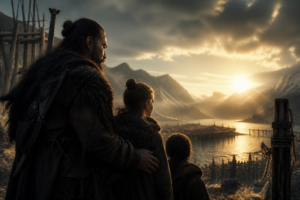
The Dog Stars, directed by Ridley Scott and based on the novel by Peter Heller, follows Hig — a former civilian pilot, played by Jacob Elordi — and Bangley, a hardened ex-Marine played by Josh Brolin, as they survive in the wreckage of a pandemic that took almost everyone else. Margaret Qualley co-stars. It’s the kind of movie that makes you sit in the parking lot afterward, thinking about your own pantry, your own neighbors, your own list of people you’d want with you if the world actually ended.
You’ve probably had that thought before, even without a movie prompting it. Most people have, at some point in the last few years. It’s a strange thing to admit, but the “what if everything fell apart” question has become almost ordinary to think about.
Why The Dog Stars Feels Different From Other Apocalypse Movies
Post-collapse stories aren’t new. But there’s a reason Hollywood keeps returning to them, especially now. A global pandemic isn’t a hypothetical anymore for most of the people buying tickets — it’s a memory. The Dog Stars isn’t asking audiences to imagine something impossible. It’s asking them to imagine something that already happened, just worse.
It’s not the only big movie doing this in 2026. Project Hail Mary, released earlier this year, put a similar question at the center of a very different survival story — what one person is willing to give up for people they’ll never meet. Different setting, same underneath.
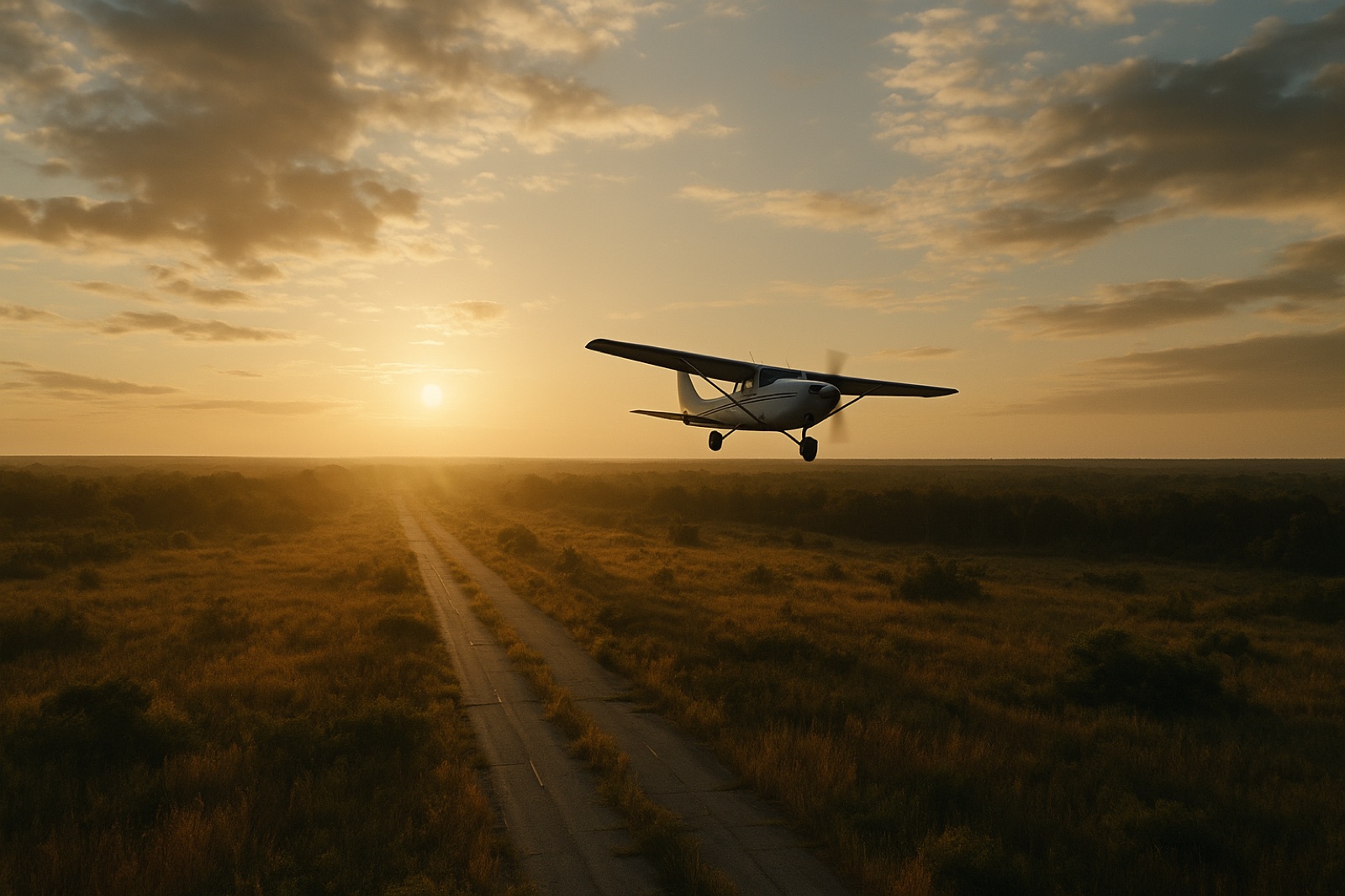
What makes Heller’s original story stand out from a lot of survival fiction is what it’s actually about beneath the plot. Hig isn’t just rationing supplies and watching the horizon for threats. He’s flying his small plane past the edge of his safe zone, again and again, chasing a radio transmission he heard once — a signal that might mean someone else is still out there, still building something. Bangley has made peace with pure survival: defend the perimeter, trust no one, stay alive one more day. Hig can’t make that peace. He keeps flying toward the possibility that survival isn’t the whole point.
That tension — enough to eat versus something worth living for — is the real engine of the story. It’s also, if you look at almost any end-of-the-world movie ever made, the real engine of the genre. The threat is never actually the point. The question underneath it always is: when you strip everything else away, what do people keep reaching for?
What People Actually Reach For
Ask someone what they’d grab if they had five minutes to evacuate their house, and almost nobody says money or electronics. They say photographs. A grandmother’s ring. Their kid’s baby blanket. The things that don’t have a market price but somehow have all the value.
Psychologists who study disaster survivors have found something similar at a bigger scale. In the middle of genuine catastrophe — floods, wars, the aftermath of major tragedies — the people who tend to hold together aren’t necessarily the best-prepared or the most self-sufficient. They’re the ones with something, or someone, to keep going for. Purpose turns out to be a more durable resource than supplies. A reason outlasts rations.
The Dog Stars puts that idea in the cockpit of a small plane, running on fumes, flying toward a maybe. It’s a strange kind of hope — not naive, not guaranteed to pay off, but real enough to burn fuel over.
The Old, Old Version of This Story
Here’s the part that’s easy to miss if you’ve only ever seen apocalypse movies and never really thought about where the word came from: humanity’s oldest surviving apocalypse story doesn’t end the way the movies do.
The word itself, borrowed from an ancient text, didn’t originally mean “the end of everything.” It meant an unveiling — pulling back a curtain to reveal something that was true all along. And the ending that ancient story actually describes isn’t empty streets and silence. It’s a garden. A gathering. Everyone who was ever scattered, found. Nothing wasted, nothing finally lost — just fully, finally revealed for what it always was underneath the wreckage.
That’s a strange thing for a story that old to get right before Hollywood ever touched the subject: that the end isn’t the opposite of hope. It’s where hope was quietly headed the entire time. There’s an even older idea, one worth reading in full, about what actually lasts once everything familiar has changed — and it isn’t the supplies, and it isn’t the perimeter.
You don’t have to believe any of that to notice the pattern. Every version of this story — ancient or modern, scripture or screenplay — seems to agree on the same thing. The ending was never really about the disaster. It was always about what survives it.
What You’re Actually Watching For
So when you sit down for The Dog Stars on August 28, you’ll be watching a story about a flu, a plane, and two men who disagree about what survival is for. But underneath that, like every good apocalypse story, you’ll be watching something a lot more familiar: the oldest human question there is, dressed up in a new decade’s fears. Not “will we survive,” but “what for.”
You already know your own answer to that question, even if you’ve never said it out loud. Maybe tonight’s a good night to.
What do you think?
If everything else disappeared tomorrow — supplies, plans, the whole familiar shape of your life — what’s the one thing you’d still be flying toward? Tell us in the comments.
Share This
- Ridley Scott’s new movie “The Dog Stars” is about a flu pandemic that ends the world as we know it. But the real story isn’t survival — it’s what’s worth surviving for. Full read: https://bgodinspired.com/index.php/entertainment/movies/the-dog-stars-ridley-scott-movie-meaning/
- Every apocalypse movie asks the same question underneath the disaster: what are you actually holding onto? “The Dog Stars” (out Aug 28) asks it better than most. https://bgodinspired.com/index.php/entertainment/movies/the-dog-stars-ridley-scott-movie-meaning/
- Disaster psychologists have found that people who survive catastrophe well usually aren’t the best-prepared — they’re the ones with a reason to keep going. Ridley Scott’s new movie gets that exactly right. https://bgodinspired.com/index.php/entertainment/movies/the-dog-stars-ridley-scott-movie-meaning/
Questions People Ask
What is The Dog Stars movie about?
The Dog Stars is a 2026 post-apocalyptic film directed by Ridley Scott, based on the novel by Peter Heller. It follows Hig, a former civilian pilot, and Bangley, a hardened ex-Marine, as they survive in the aftermath of a flu pandemic that wiped out most of humanity, while Hig searches for signs that other survivors and a better life exist beyond their safe zone.
When does The Dog Stars come out?
The Dog Stars is scheduled for release on August 28, 2026.
Who stars in The Dog Stars?
The Dog Stars stars Jacob Elordi as Hig, Josh Brolin as Bangley, and Margaret Qualley, directed by Ridley Scott.
Is The Dog Stars based on a true story or a book?
The Dog Stars is based on the 2012 novel of the same name by author Peter Heller. It is a work of fiction, not based on a true event.
Why do people keep making post-apocalyptic movies?
Post-apocalyptic stories remain popular because they strip everyday life down to its essentials, forcing characters — and audiences — to confront what actually matters most once comfort, routine, and safety are gone. Since the real-world experience of a global pandemic, these stories feel less hypothetical and more like a mirror held up to a shared memory.
Curious where you actually stand with the bigger questions a story like this raises? This short quiz takes two minutes and might surprise you.