

Does Venus have a moon? No. A new study says its slow spin may have pulled one in until it crashed. Here is why Earth’s moon drifts away and survives.

 0
0
 0
0
Tonga Volcano Methane: The Cleanup Nobody Could Explain
Satellites watched the Tonga volcano destroy part of its own methane pollution in the stratosphere, by a chemical route that nobody can fully explain yet.
 0
0
0
0
The New World Screwworm Is Back in Texas. The Thing That Beat It Never Actually Killed It.
The New World screwworm is back in Texas after 40 years. What beat it the first time never killed it – and the way it worked is stranger than you think.
 0
0
0
0
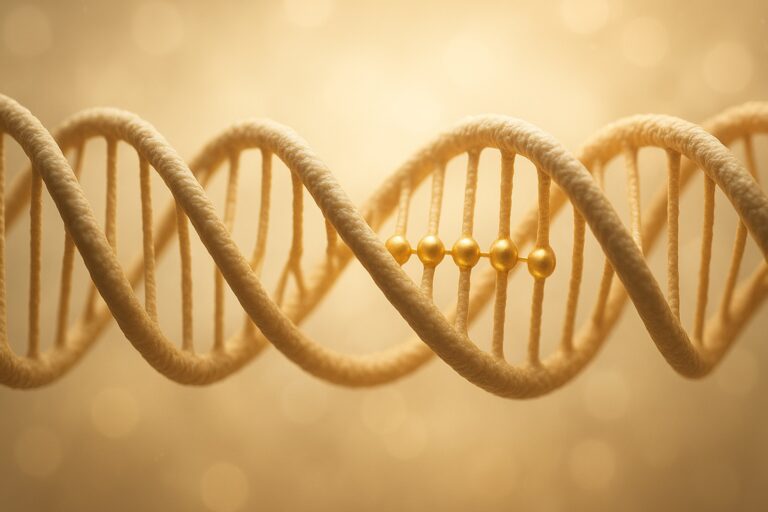
DNA Strands Zipping Together: The Tiny Bridge That Holds Both
DNA strands zipping together were seen for the first time. Both carry the same charge, so what holds them? A tiny bridge with two arms that grips both sides.
 0
0
0
0
The Oldest Known Plague Took Whole Families 5,500 Years Ago
The oldest known plague struck Siberian hunter-gatherers 5,500 years ago, killing children and whole families. What their graves reveal about grief and blame.
 0
0
0
0
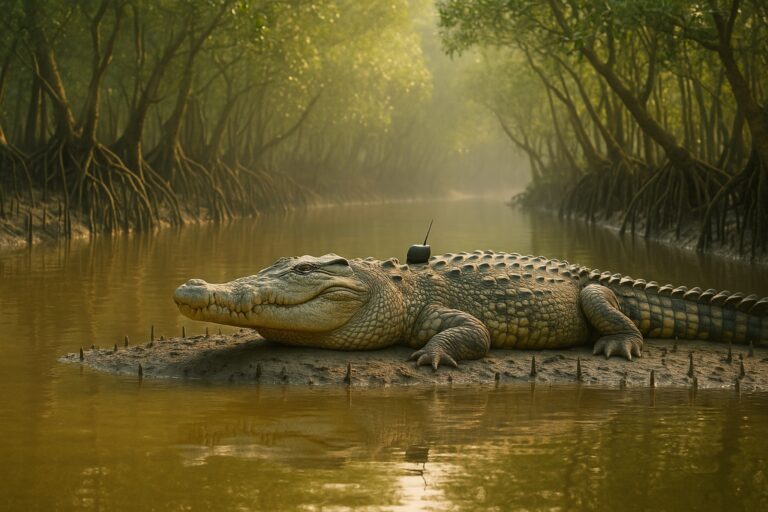
Saltwater Crocodiles Can Swim 400 km Home. Three Stayed Put.
Saltwater crocodiles are famous for swimming hundreds of km home. In Bangladesh, three raised in captivity were set free and stayed put. Here’s what that means.
 0
0
0
0
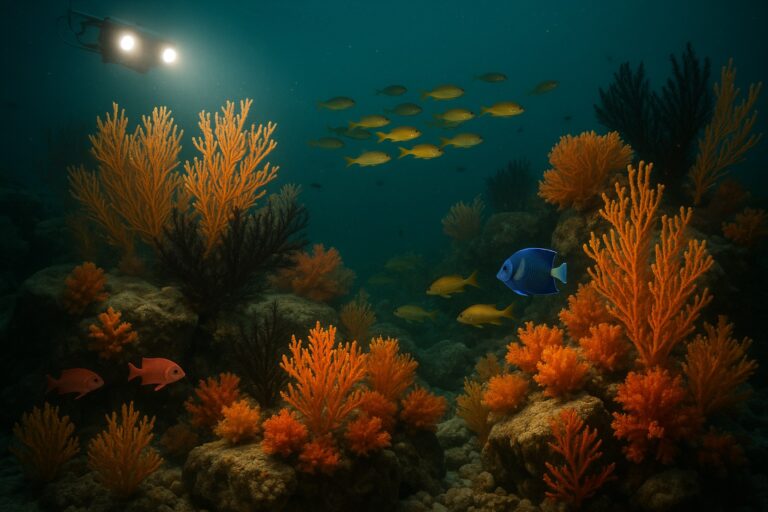
A Coral Reef Thought Dead for 60 Years Is Alive Off Benin
A coral reef thought dead for 60 years has been filmed alive off Benin. The 1960s verdict came from dredges and echoes. Nobody had ever actually seen it.
 0
0
0
0
A WWI Submarine Is Still Leaking TNT Into the North Sea
A WWI submarine leaking TNT into North Sea mussels and starfish sank back in 1917. Here is why scientists say blowing it up could make the problem worse.
 0
0
0
0
The Indian and Pacific Oceans Have Stopped Moving in Step
For 400 years the Indian and Pacific Oceans moved in step. Scientists now say that link is breaking in an exceptional way. Here is what it means for rain.
 0
0
0
0
Bat Lifespan: Why a 5-Gram Bat Can Live for Decades — It Knows When a Cell Can’t Be Saved
Bat lifespan can top 30 years in a bat of about 5 grams. A Nature study found the longest-lived bats let badly damaged cells go instead of patching them.