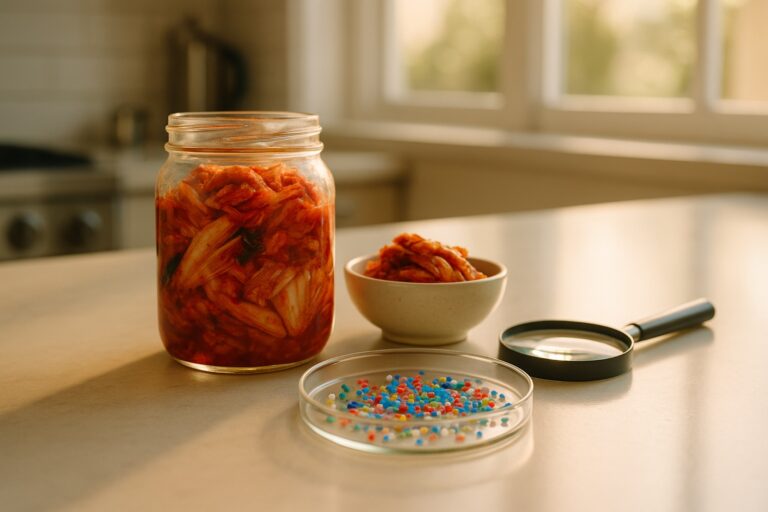

Kimchi and microplastics headlines are everywhere. The study tested one bacterial strain on nanoplastics in germ-free mice. Here is what it really found.

 0
0
 0
0
Immune Organ in the Skull: The Brain’s Nearest Defenders Were Hiding in the Bone
Scientists found an immune organ in the skull’s bone marrow that answers brain cancer first, before distant lymph nodes react. Here is what it means so far.
 0
0
0
0
Brain Shrinkage With Age: The Wiring That May Soften It
Brain shrinkage with age is not the whole story. A study of 459 older adults in India found short, local brain wiring may soften the loss. What it can’t say.
 0
0
0
0
Ezekiel Bread: The Health Loaf That Began as a Siege Ration
Ezekiel bread is sold as a health food, but its recipe began as a siege ration. A review of 87 trials also just found the whole grain sweet spot for your heart.
 0
0
0
0
DNA Damage and Aging: When the Body’s Alarm Does the Harm
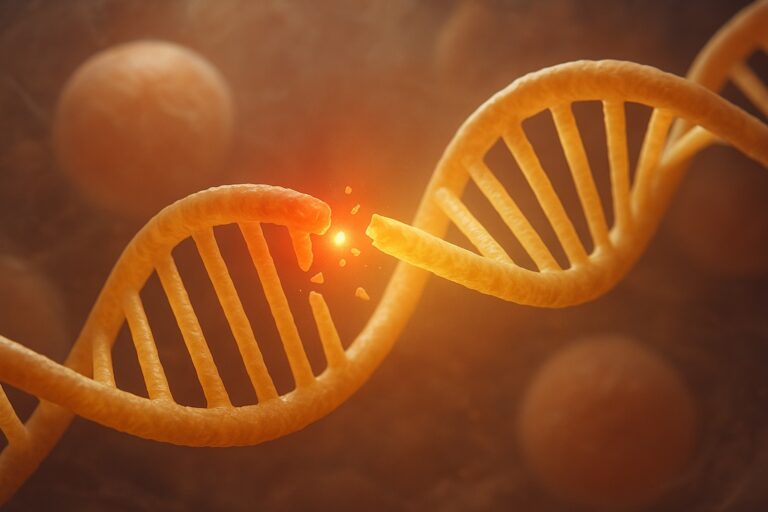
DNA damage and aging: in a rare fast-aging disease, a fish study found the body’s alarm about broken DNA did much of the harm. What it found, what it didn’t.
 0
0
0
0
Smelling Chocolate Before a Workout Added 18 Reps
Smelling chocolate before a workout helped 23 men do 18 more reps without the effort feeling harder. Here is what the study found – and what it cannot prove.
 0
0
0
0
The Ozempic Side Effects Found in 400,000 Reddit Posts
Ozempic side effects the trials missed? AI read 410,198 Reddit posts and found chills, hot flashes and cycle changes. What it means, and what it cannot prove.
 0
0
0
0
Inflammation Off Switch: Pain Eased Before the Swelling Did
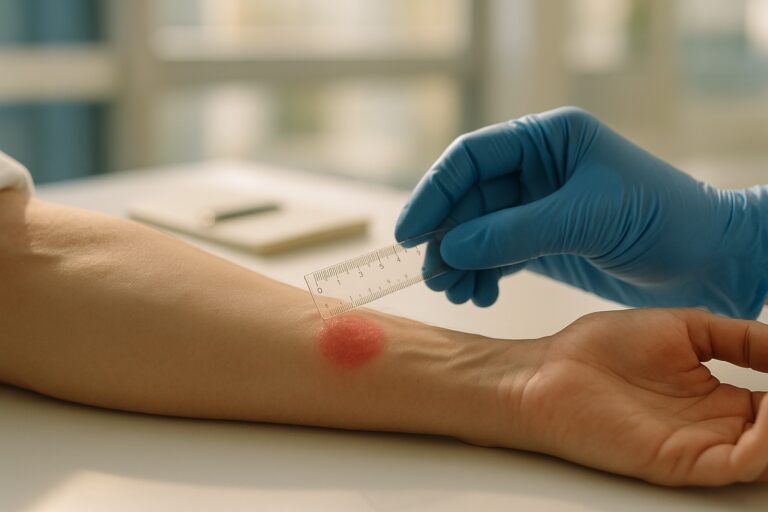
Scientists found an inflammation off switch in people. Pain cleared faster, yet the redness and swelling looked the same. What it means, and what it doesn’t.
 0
0
0
0
Can the Heart Heal After a Heart Attack? It Tries to Regrow
Can the heart heal after a heart attack? Scientists watched human heart muscle try to regrow itself. It falls short, and what grows instead tells a bigger story.
 0
0
0
0
Prescribing Cascade: When a Side Effect Gets Its Own Pill
A prescribing cascade is when a drug side effect is mistaken for a new illness and treated with another drug. A new study mapped 24. Here is how to spot one.