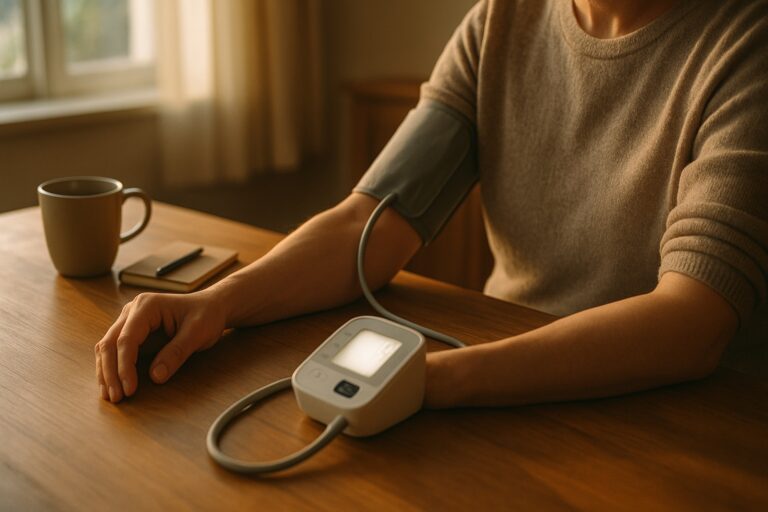

Undiagnosed high blood pressure: in a study of 1.4 million adults, 59% of people who had it had never been told. What it means, and how to get checked.
 0
0
 0
0
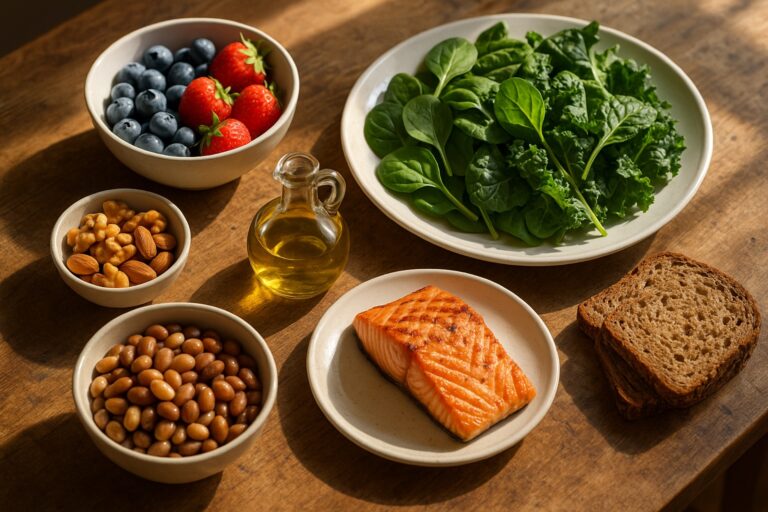
MIND Diet and Brain Aging: 2.5 Years Slower, With a Catch
The MIND diet was linked to 20% less grey matter loss, about 2.5 years of slower brain aging, over 12 years. What the study found, its surprise, and its limits.
 0
0
0
0
Chronic Fatigue: Do 5 Illnesses Share One Root?
A new chronic fatigue study links ME/CFS, long Covid, PTSD, MS and rheumatoid arthritis to shared biology. Experts urge caution. Here is what it really found.
 0
0
0
0
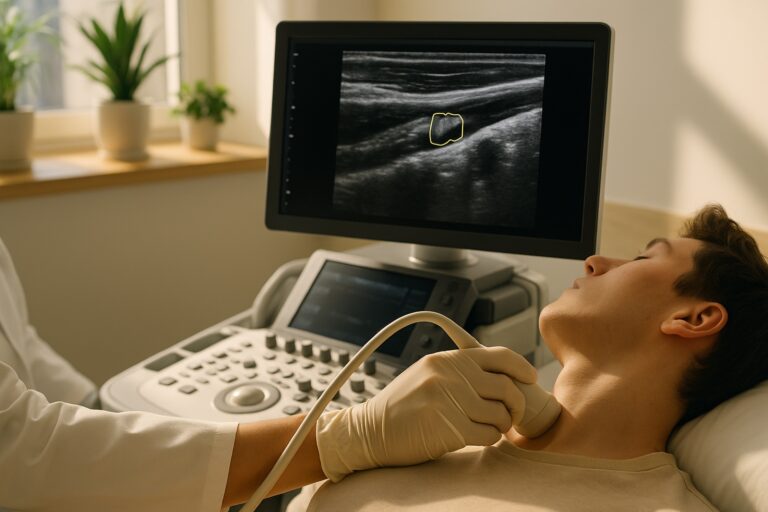
Hidden Artery Plaque Found in 1 in 13 Adults Under 30
Hidden artery plaque turned up in 1 in 13 adults under 30, and in over half of 16,808 people who felt fine. What the scans found, and what they do not mean.
 0
0
0
0
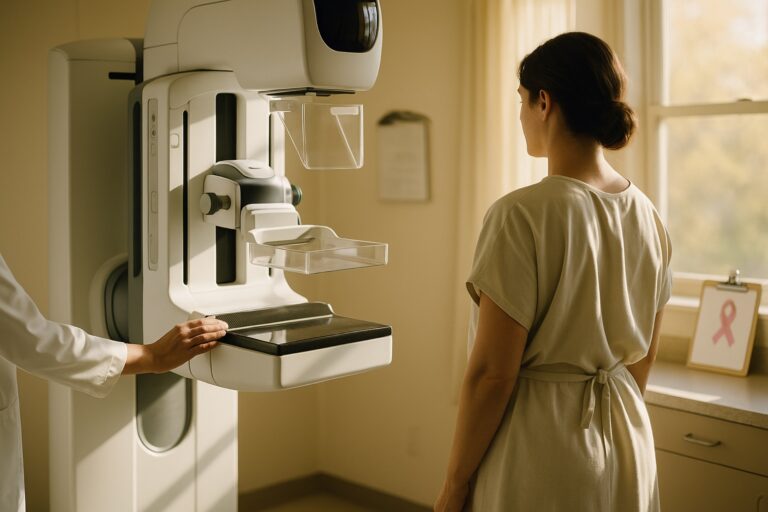
Mammogram Overdiagnosis: New Study Says Below 5%, Not 30%
Mammogram overdiagnosis may be far rarer than the 30-50% once quoted. A new look at all eight big trials puts it below 5%. What it means and what it leaves out.
 0
0
0
0
Ultra-Processed Food and Depression: What One Trial Found
Ultra-processed food and depression: 20 people cut ultra-processed food by over 85% for four weeks and their mood lifted. What it shows, and what it does not.
 0
0
0
0
Glass Skin on TikTok: Almost 95% of Viral Videos Made a Misleading Claim
Glass skin videos on TikTok: dermatologists found almost 95% made a misleading claim, and none said to see a doctor. What they found and what skin really needs.
 0
0
0
0
Coffee and Stress: Decaf Lowered It Too, a Study Found
Coffee and stress: in a small blinded study, decaf eased stress and low mood just like regular coffee. Here is what was found, and the limits of the finding.
 0
0
0
0
One CRISPR Dose Cut Bad Cholesterol in Half for a Year
A single CRISPR cholesterol treatment kept bad cholesterol about 50% lower a full year later. What the 15-person trial found, and what it cannot tell us yet.
 0
0
0
0
Body Clock and Stroke Recovery: In Mice, the Timing of Meals Helped the Brain Heal
Body clock and stroke recovery: mice that ate only in waking hours, from 3 days after a stroke, healed better. Eating in sleep hours did not help. Here is why.