

Time in range matters, but a perfectly flat line may not. A 400-person diabetes study found in-range days led to better next days, and so did a bit more wobble.

 0
0
 0
0
Why Rheumatoid Arthritis Pain Lingers When the Tests Look Better
Rheumatoid arthritis pain can linger even when inflammation is controlled. Researchers say depression, poor sleep and pain can feed each other. Here’s why.
 0
0
0
0
Scented Cleaners Can Fill Your Home With Nanoparticles
Scented cleaners can react with ozone indoors and form billions of nanoparticles within minutes. Here’s what Purdue researchers found and how to breathe easier.
 0
0
0
0
Does Laughter Help Depression? It Depends on When
Does laughter help depression? A new review says jokes help most on the way back up, and barely in the darkest stretch. Proverbs 17:22 said both halves first.
 0
0
0
0
Menopause Brain Changes: Scans Found Aging Seemed to Pause
Menopause brain changes aren’t only loss. Scans of 1,095 women found normal brain aging seemed to pause late in the transition. What it shows and what it can’t.
 0
0
0
0
Mini-Stroke and Dementia: The Risk That Outlasts the Symptoms
A mini-stroke can pass in minutes. A study of 113,081 people found dementia was 3 times more likely than a stroke afterward. What it means, and what helps.
 0
0
0
0
Phelan-McDermid Syndrome: Rare, or Just Rarely Tested?
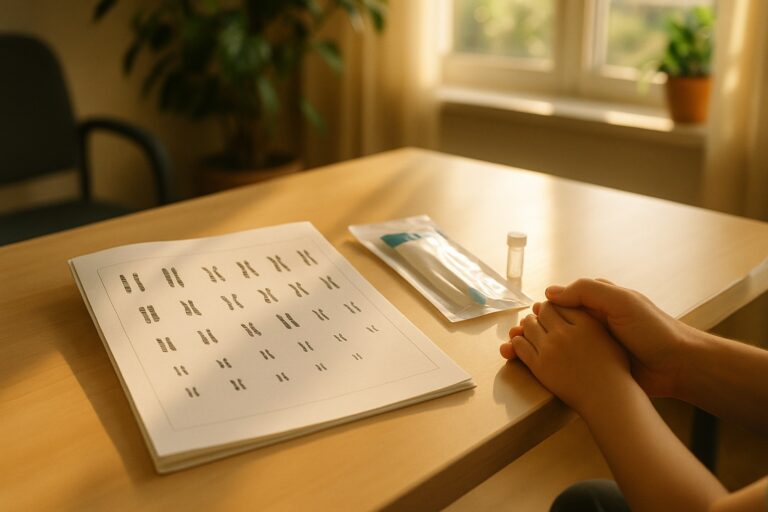
Phelan-McDermid syndrome may affect 1 in 7,300 people, far more than the few thousand known. Why so many were missed, and why a genetic test and a name matter.
 0
0
0
0
Ozempic Lifespan Study: Old Mice Lived Months Longer. What Are the Extra Days For?
An Ozempic lifespan study found old mice lived months longer, with better memory and stronger muscles. What it shows, what it can’t, and the question it leaves.
 0
0
0
0
Aging Muscle Weakness May Be a Nerve Signal Problem

Aging muscle weakness may not just be lost muscle. A new study found the nerve-to-muscle signal failing in weak older adults. What it means and what helps.
 0
0
0
0
More REM Sleep Linked to Lower Risk of 83 Diseases, With One Big Catch
A study of 95,559 people linked more REM sleep to lower risk of 83 diseases. Here is what it really shows, the catch most reports missed, and how to protect it.