 0
0
 0
0
Ancient Pharaoh’s Tomb Unearthed in Egypt: A Historic Discovery since Tutankhamun
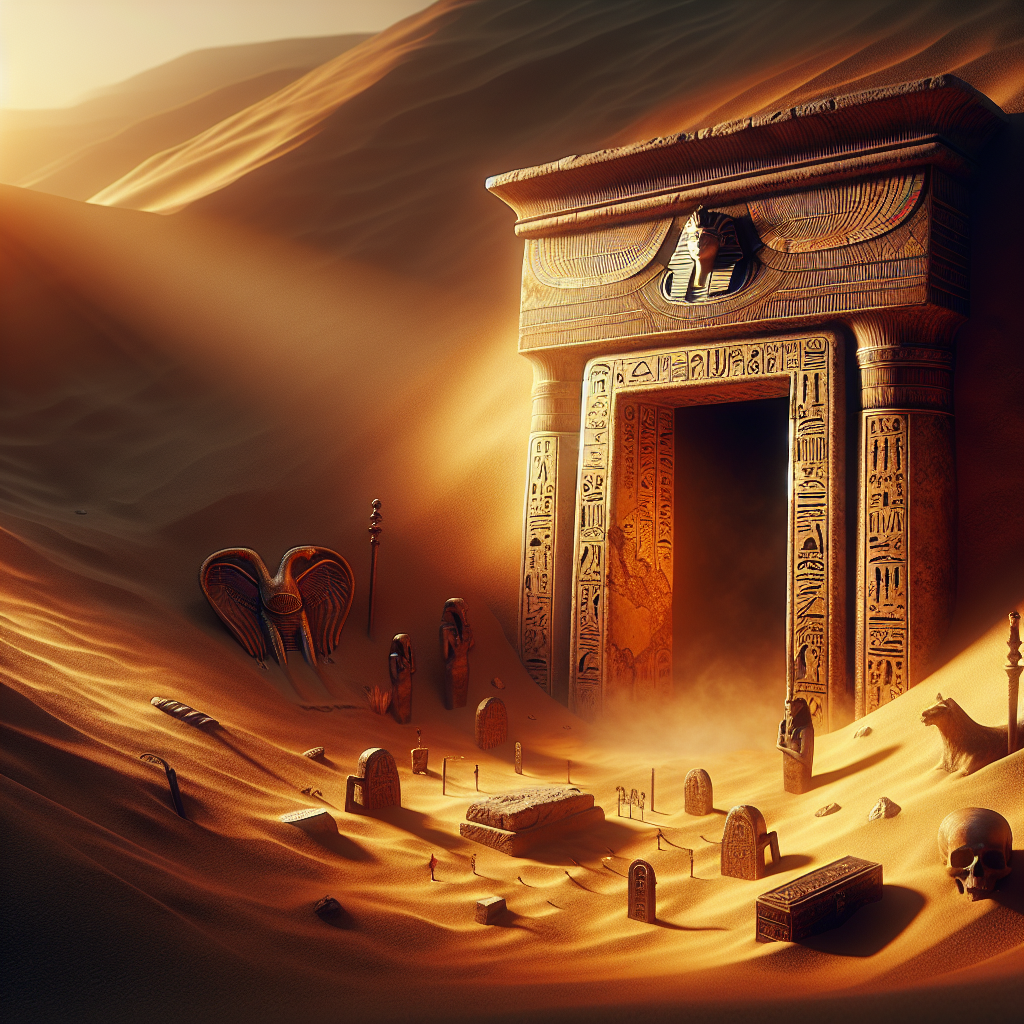
Egypt—In a remarkable archaeological breakthrough, a team of researchers has unearthed the tomb of Pharaoh Thutmose II, marking the first significant tomb discovery since that of Tutankhamun in 1922. This finding represents not only a triumph in Egyptology but also serves as a reminder of the enduring legacy of ancient civilizations and their quest for immortality.
The excavation, conducted near Luxor, has drawn international attention as historians and archaeologists delve into the life and reign of Thutmose II, who ruled during the height of Egypt’s power over 3,500 years ago. The tomb is believed to hold significant artifacts, providing insights into the intricate burial practices and the spiritual beliefs of an era long past.
Leading the excavation was Dr. Zahi Hawass, a prominent figure in Egyptology. "This is not just about finding artifacts; it is about understanding the connection between the earthly and the divine," he remarked, illustrating the timeless quest for meaning that transcends generations.
In light of this monumental discovery, one might reflect on how structures and beliefs of the past continue to resonate today. Just as these pharaohs sought to secure their legacies through grand tombs, many today look for ways to leave a mark on the world. The Bible reminds us of a more profound truth about our legacy, emphasizing that “What good is it for someone to gain the whole world, yet forfeit their soul?” (Mark 8:36, NIV).
Further insights into the methods leading to this discovery highlight the significance of perseverance and collaboration. Many clues, including ancient texts and hints left by predecessors, guided archaeologists to the hidden burial site. This exemplifies how wisdom and guidance, sought with diligence, can lead to fruitful outcomes—a key tenet of the biblical principle of seeking understanding and knowledge.
As discoveries continue to emerge from the sands of time, they urge us to ponder our own contributions and legacies in this world. The quest for knowledge also provokes a deeper inquiry into our spiritual journeys, encouraging us to align our pursuits—both material and spiritual—with values that uplift and inspire.
In conclusion, the revelation of Pharaoh Thutmose II’s tomb invites us to reflect on our own lives: are we building legacies that endure beyond the temporal? As we embark on our individual journeys, let us keep in mind the call to serve others and seek truth, aspiring to leave behind a legacy rooted in value and love.
Takeaway: May this discovery inspire us to evaluate our priorities and strive toward creating a positive impact in our communities, reinforcing the timeless biblical principle that “The greatest among you will be your servant” (Matthew 23:11, NIV).
Explore and dig up answers yourself with our BGodInspired Bible Tools! Be careful – each interaction is like a new treasure hunt… you can get lost for hours 🙂