 0
0
 0
0
US Accuses France of ‘Condescending’ Rhetoric Amid UN Tensions Over Human Rights
Published On 27 Jul 2026
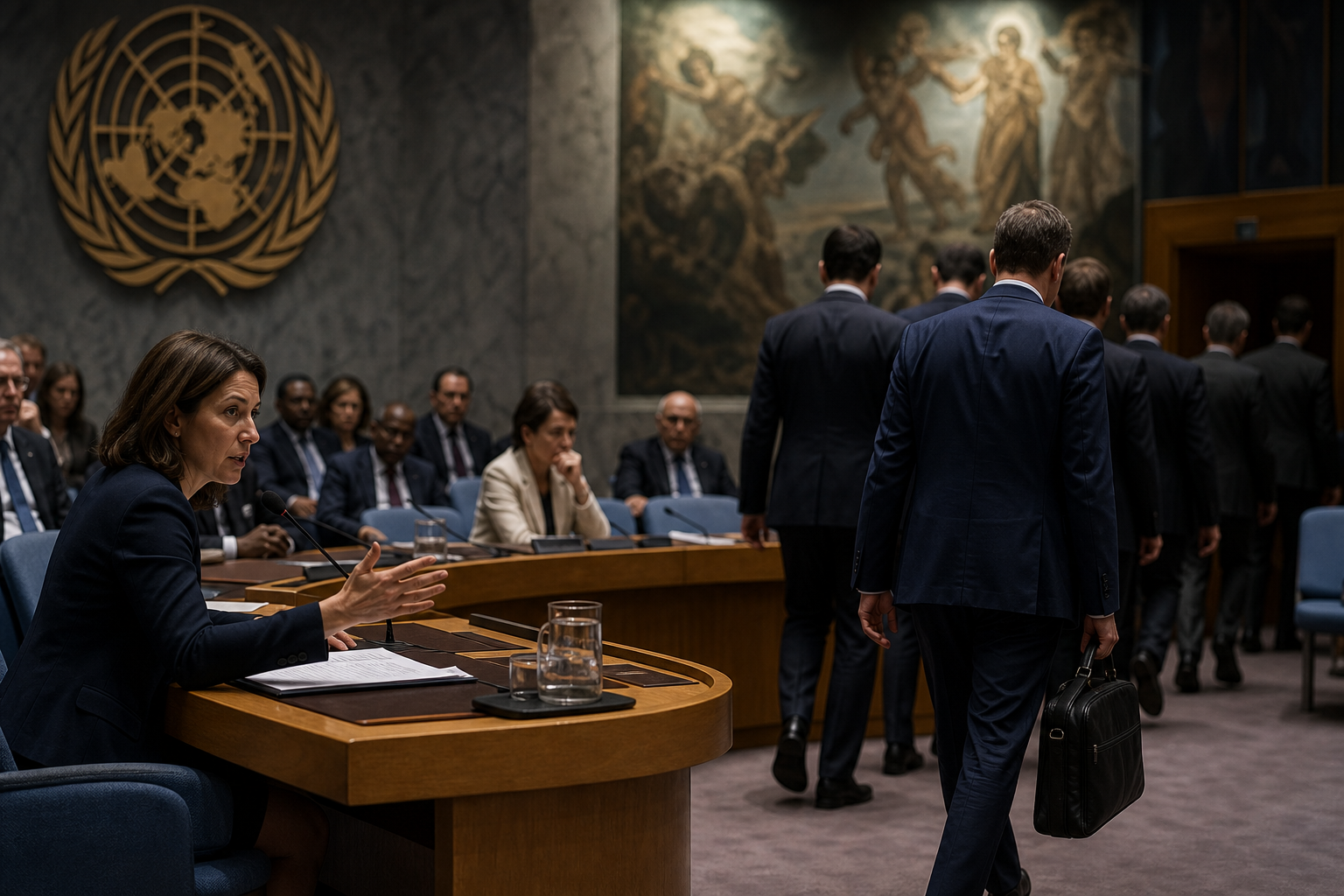
In a significant diplomatic incident, United States diplomats dramatically walked out of a United Nations Security Council meeting on Monday as France’s delegation began to address the situation concerning Russia’s ongoing war against Ukraine. This walkout underscores rising tensions between the two nations, which have recently been exacerbated by differing stances on human rights issues.
This diplomatic snub comes just two days after a heated exchange between US and French officials regarding Washington’s vote against the reappointment of UN human rights chief Volker Turk. France’s UN Mission in Geneva criticized the US, claiming it has lost its status as a "beacon of human rights," standing in isolation next to nations like North Korea, Nicaragua, Mali, and Russia.
In response, US Ambassador to the UN, Mike Waltz, took to social media platform X, asserting that France supported a rights chief who "has been lecturing free, sovereign democracies like the United States, the UK, and Israel, while cozying up to the world’s worst oppressors."
After the walkout, Dan Negrea, an alternate US representative, declared that the US delegation would continue this tactic until France retracts its "condescending and disrespectful rhetoric." During his address, French ambassador Jerome Bonnafont chose not to address the situation directly, emphasizing instead France’s commitment to upholding the UN’s independence.
This conflict is not merely a bilateral squabble but reflects deeper disagreements over the legitimacy and conduct of international organizations. UN chief Turk, who has drawn criticism for his remarks on Israel and the US-related violations in Palestine and Iran, received reappointment through a UN General Assembly vote of 144 in favor, 10 against, and 13 abstentions.
The current tension can be contextualized within the broader backdrop of US foreign policy under President Donald Trump, who has cut funding to various UN agencies and expressed intentions to reassess engagements concerning Turk’s mandate.
Moreover, the discord isn’t confined to human rights alone; it extends to NATO spending, trade policy, and even territorial disputes. France and other European allies notably resisted Trump’s military ambitions, including direct participation in conflicts involving Iran, posing additional strains on transatlantic relations.
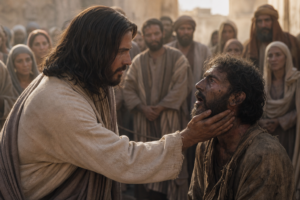
As these nations grapple with their ideological differences, one can reflect on the teaching of Jesus, who emphasized understanding, humility, and reconciliation. In Matthew 5:9, we read, "Blessed are the peacemakers, for they shall be called children of God."
This passage urges us to seek diplomacy and understanding rather than to let pride and contentious rhetoric drive a wedge between us. In these times of discord, perhaps we could all take a moment to aspire to peacemaking—both in international relations and within our communities.
Ultimately, such moments challenge us to reflect on our values. What does it mean to approach differences with humility and charity? As this conflict unfolds, may we find opportunities to embody the principles of love and respect in all interactions, endeavoring for a world where discourse leads to understanding rather than division.
If you want to want to know more about this topic, check out BGodInspired.com or check out specific products/content we’ve created to answer the question at BGodInspired Solutions
If positive Biblical wisdom matters to you, I’d love your support of the mission
Q&A about
Did the US diplomats walk out of the UN Security Council meeting because of a disagreement with France?
The walkout appears to stem from tensions between the U.S. and France regarding differing views on global security issues. In moments of conflict, it’s vital to remember Jesus’ teaching about reconciliation in Matthew 5:23-24, where He emphasizes the importance of resolving disputes and seeking peace with others.
How should Christians respond to international conflicts like this?
Christians are called to be peacemakers, as stated in Matthew 5:9, which encourages believers to cultivate peace in all situations. It’s essential to pray for wisdom and guidance in handling such issues, asking God to help navigate complexities with grace and love.
What can we learn about the role of nations and diplomacy from Scripture?
The Bible teaches us that leaders are placed in authority for a reason, as seen in Romans 13:1, where it emphasizes the divine order of governance. Christians should engage in prayer for their leaders and participate in civic duties, ensuring that their influence reflects God’s justice and mercy.
How can we maintain hope amid political tensions and conflicts?
Hope is rooted in faith, and Romans 15:13 reminds us that God is the source of all hope. Despite political disagreements and tensions, Christians can trust in God’s sovereignty over nations, believing that His plans ultimately work for the good of those who love Him.