 0
0
 0
0
Tragedy in Amboseli: Death of 15 Elephants Sparks Outrage and Investigation
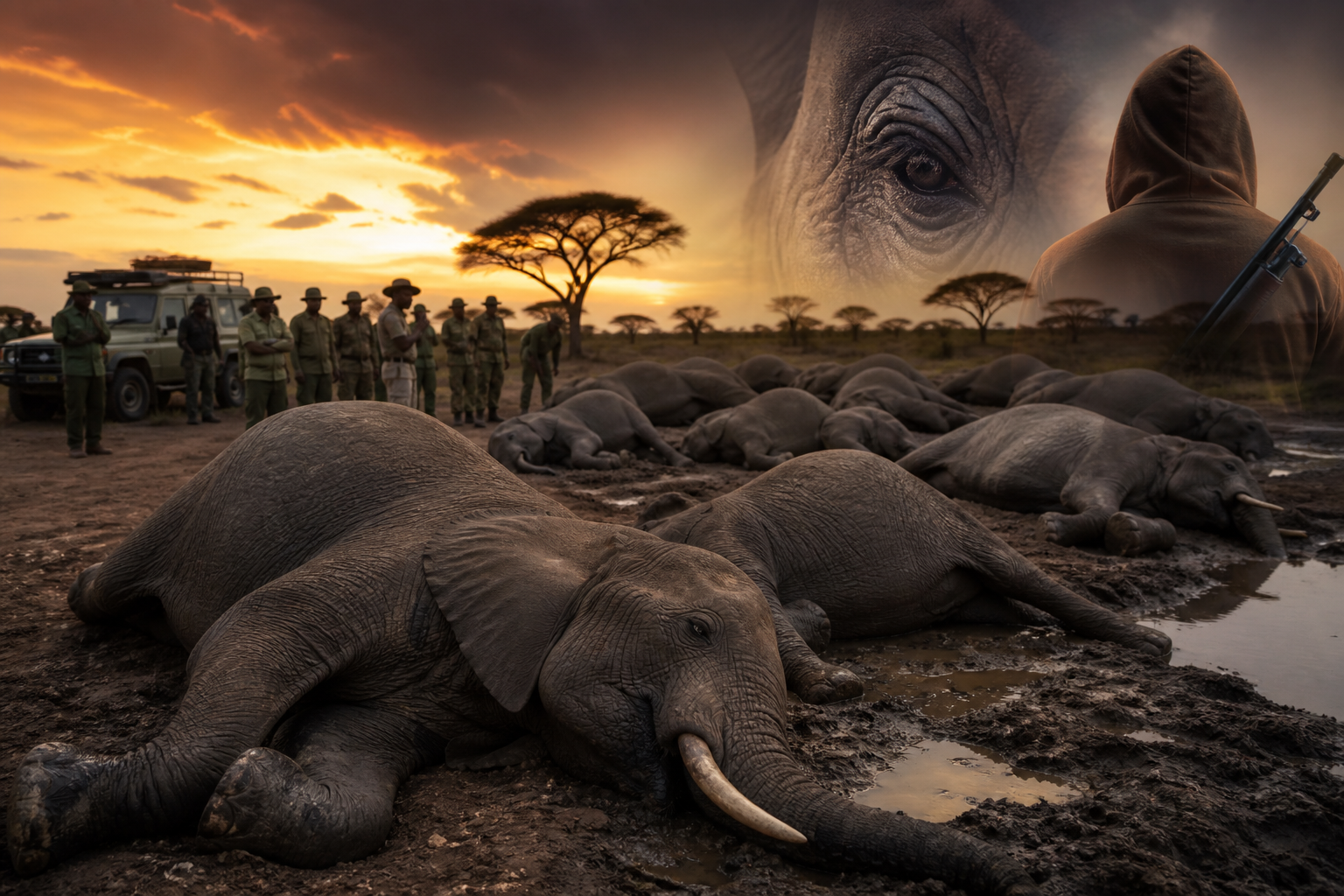
In a distressing turn of events, the unexpected deaths of 15 elephants in Kenya’s Amboseli National Park have ignited an outcry for accountability and investigation. The grim discovery has not only shocked conservationists but has also raised urgent questions about environmental safety and wildlife protection.
The Cause of Death: A Troubling Revelation
Authorities have indicated that the elephants likely succumbed to cyanide poisoning after consuming tomatoes from nearby farms. This alarming scenario underscores the potential dangers that agricultural practices can impose on local wildlife. As investigations unfold, the Kenyan government is probing deeper into the circumstances that led to this mass wildlife loss.
Despite the painful nature of this incident, it serves as a poignant reminder of the interconnectedness of all living beings, a principle that resonates deeply within biblical teachings. In Romans 8:19-21, it states, "For the creation waits in eager expectation for the children of God to be revealed. For the creation was subjected to frustration, not by its own choice but by the will of the one who subjected it, in hope that the creation itself will be liberated from its bondage to decay."
A Call for Stewardship
The situation in Amboseli highlights the need for careful stewardship of the land and its creatures. As Jesus taught in Luke 12:6-7, "Are not five sparrows sold for two pennies? Yet not one of them is forgotten by God. Indeed, the very hairs of your head are all numbered. Don’t be afraid; you are worth more than many sparrows." The intrinsic value of each creature, from the smallest sparrow to the majestic elephants, is an essential part of the message many hold dear.
This tragedy can serve as a catalyst for change, prompting a dialogue about ecological responsibility and ethical farming practices that safeguard both agriculture and wildlife.
Moving Forward: A Common Purpose
As we reflect on the heartbreaking loss in Amboseli, this event challenges us to consider our role in caring for the environment and advocating for vulnerable wildlife. Each of us has a part to play in fostering a world that nurtures rather than harms.
In these trying times, let’s come together to promote sustainable practices, reflecting on the biblical principle of stewardship. Let this tragedy be a clarion call to cultivate a deeper awareness of our environment and act in ways that honor all of God’s creation.
May this event inspire a renewed commitment to protecting the beautiful tapestry of life that God has woven here on Earth, encouraging us to live in harmony with every living being. Let us ponder our responsibilities and seek ways to express compassion and care.
If you want to want to know more about this topic, check out BGodInspired.com or check out specific products/content we’ve created to answer the question at BGodInspired Solutions
If positive Biblical wisdom matters to you, I’d love your support of the mission
Q&A about
Why are people so upset about the death of 15 elephants in a Kenyan national park?
The outrage stems from a deep concern for God’s creation and the stewardship He calls us to practice. As caretakers of the Earth, we are reminded in Genesis that God entrusted us with His creatures. This incident highlights the importance of protecting wildlife, as even the least of His creations matter to Him.
How does the investigation into the elephant deaths relate to justice in the Bible?
When we see injustice, it resonates with our call to seek fairness and righteousness, as emphasized in Micah 6:8. God desires us to act justly and love mercy, which means advocating for the voiceless, including animals. The investigation serves as a reminder that justice is a part of our Christian responsibility.
What can we learn from this situation about caring for the environment?
This tragic event teaches us about the importance of being good stewards of the Earth, echoing the teachings of Jesus about loving our neighbors, which includes caring for all of creation. In Mark 12:31, we learn that loving our neighbor involves protecting the beauty and integrity of the world God created for us.
How should Christians respond to such news about wildlife suffering?
A Christian response would be to pray for the elephants and those involved—showing compassion as Jesus did during His time on Earth. In Matthew 10:29, we are reminded that even a sparrow doesn’t fall to the ground without God’s knowledge, highlighting His care for all creatures. Engaging in advocacy and support for wildlife protection is a concrete way to show that our faith informs our actions towards all living beings.