 0
0
 0
0
Trump Announces ‘Historic’ Agreement for Gaza Peace: Disarmament and Reconstruction on the Horizon
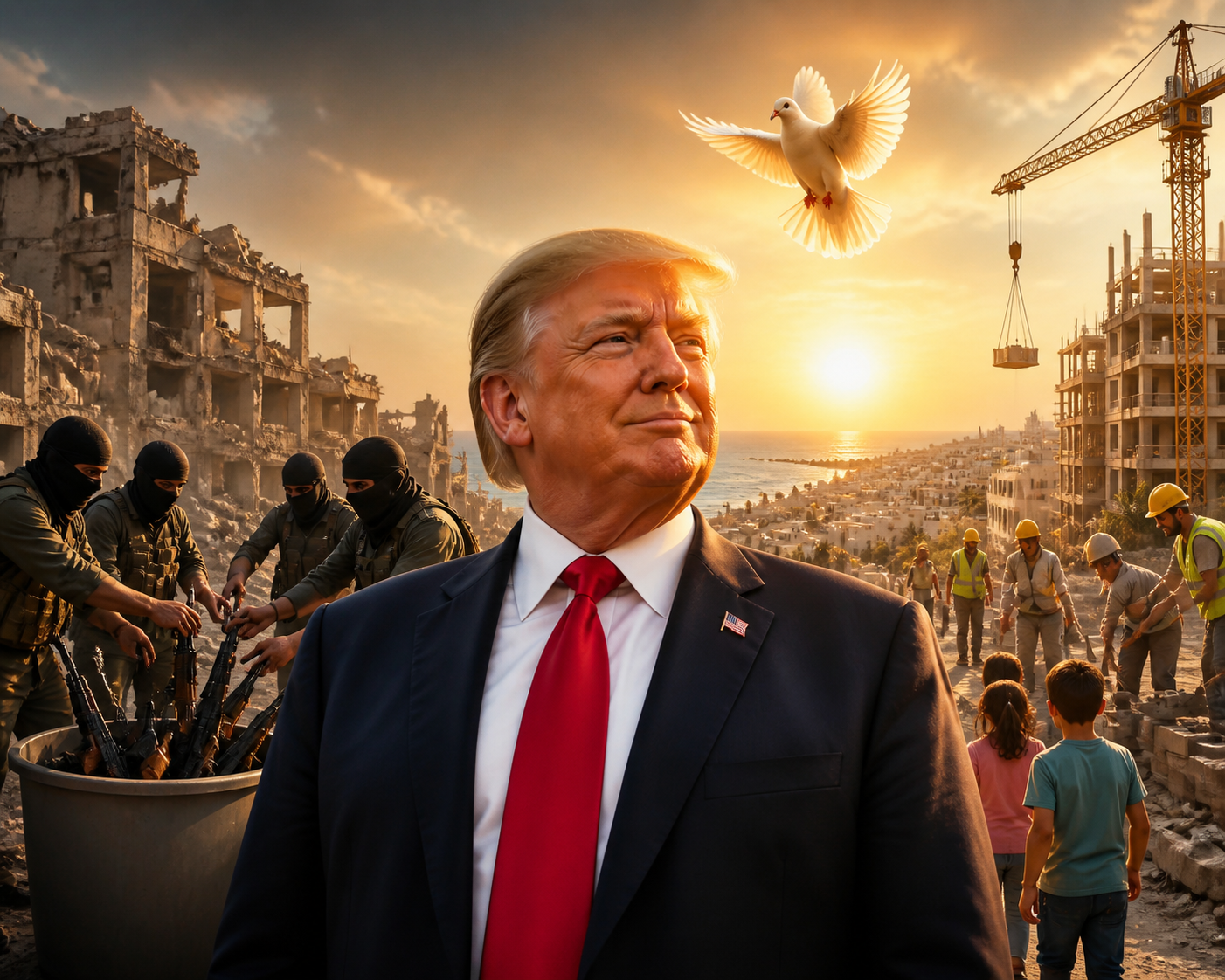
Former President Donald Trump has recently heralded what he describes as a "historic" agreement aimed at disarming Hamas and rebuilding Gaza. This announcement comes amid ongoing tensions in the region and the significant humanitarian needs of the Gazan population. Key figures from both the Trump administration and Hamas reportedly contributed to this diplomatic effort, highlighting a potential shift in the geopolitical landscape.
As Trump elaborated during a press conference, the agreement includes a phased disarmament of Hamas, which he claimed has been agreed to by the group. The plan also envisions a gradual withdrawal of Israeli forces from Gaza, aiming to facilitate reconstruction efforts and restore normalcy to the area. "This is a pivotal moment for peace," Trump stated, underscoring the potential for stability in the region if all parties adhere to the terms.
The proposed ‘Board of Peace’ was established to oversee the negotiations, and Trump emphasized that accountability and cooperation would be essential to the agreement’s success. As negotiations unfold, both optimism and skepticism are prevalent among international observers and citizens in the region alike. Some view this as a beacon of hope, while others remain cautious about the complexities involved.
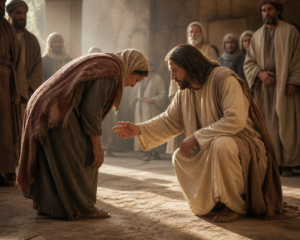
Reflecting on this situation through a biblical lens, one cannot help but consider the principles of peace and reconciliation emphasized in Scripture. Jesus taught about the importance of peace-making, as seen in Matthew 5:9: "Blessed are the peacemakers, for they will be called children of God." This statement invites us to appreciate the profound impact of diplomacy and goodwill in resolving conflict.
As we contemplate the potential outcomes of this agreement, it’s essential to remember that genuine peace requires the commitment of all parties involved. While the disarmament of militias and the rebuilding of communities present tangible steps forward, the lessons of compassion, forgiveness, and mutual understanding resonate deeply within both the Christian faith and the broader hopes for lasting peace in any conflict.
In this light, it’s encouraging to see leaders make strides toward dialogue and cooperation, inviting reflection on how we, too, can be agents of peace in our own circles. As the world watches this unfolding story, may we remain hopeful and strive to reflect the love and understanding that Jesus taught.
Takeaway: Let us be inspired to seek peace and work toward reconciliation in our own lives, understanding that even small steps can lead to monumental changes in our communities and beyond.
If you want to want to know more about this topic, check out BGodInspired.com or check out specific products/content we’ve created to answer the question at BGodInspired Solutions
If positive Biblical wisdom matters to you, I’d love your support of the mission
Q&A about
Did Trump’s agreement with Hamas align with Christian teachings on peace?
A true peace comes from God, and Jesus taught that our efforts should be towards reconciliation and love for our enemies (Matthew 5:44). While political agreements can be complex, we must pray for peace and justice that reflects God’s heart, showing compassion and mercy to all involved.
What should Christians think about rebuilding Gaza alongside disarming Hamas?
Rebuilding efforts can be a reflection of Jesus’ command to care for the least of these (Matthew 25:40). As Christians, we are called not only to address immediate needs but also to seek long-term solutions that promote healing and unity among communities torn apart by conflict.
How can I pray for the situation in Gaza regarding Trump’s agreement?
Prayer should focus on wisdom for leaders and healing for all affected by conflict. James 1:5 encourages believers to ask God for wisdom, which is essential in navigating such complex issues, that His grace may abound in the region and guide efforts toward genuine peace.
What role does faith play in international agreements like the one involving Hamas?
Faith calls us to uphold justice and mercy in all our dealings (Micah 6:8). In international agreements, Christians should advocate for actions that reflect God’s justice and love, ensuring that the dignity of all humanity is respected in pursuit of peace.