 0
0
 0
0
Iran Rejects Omani Proposal for Strait Control Amid Regional Tensions
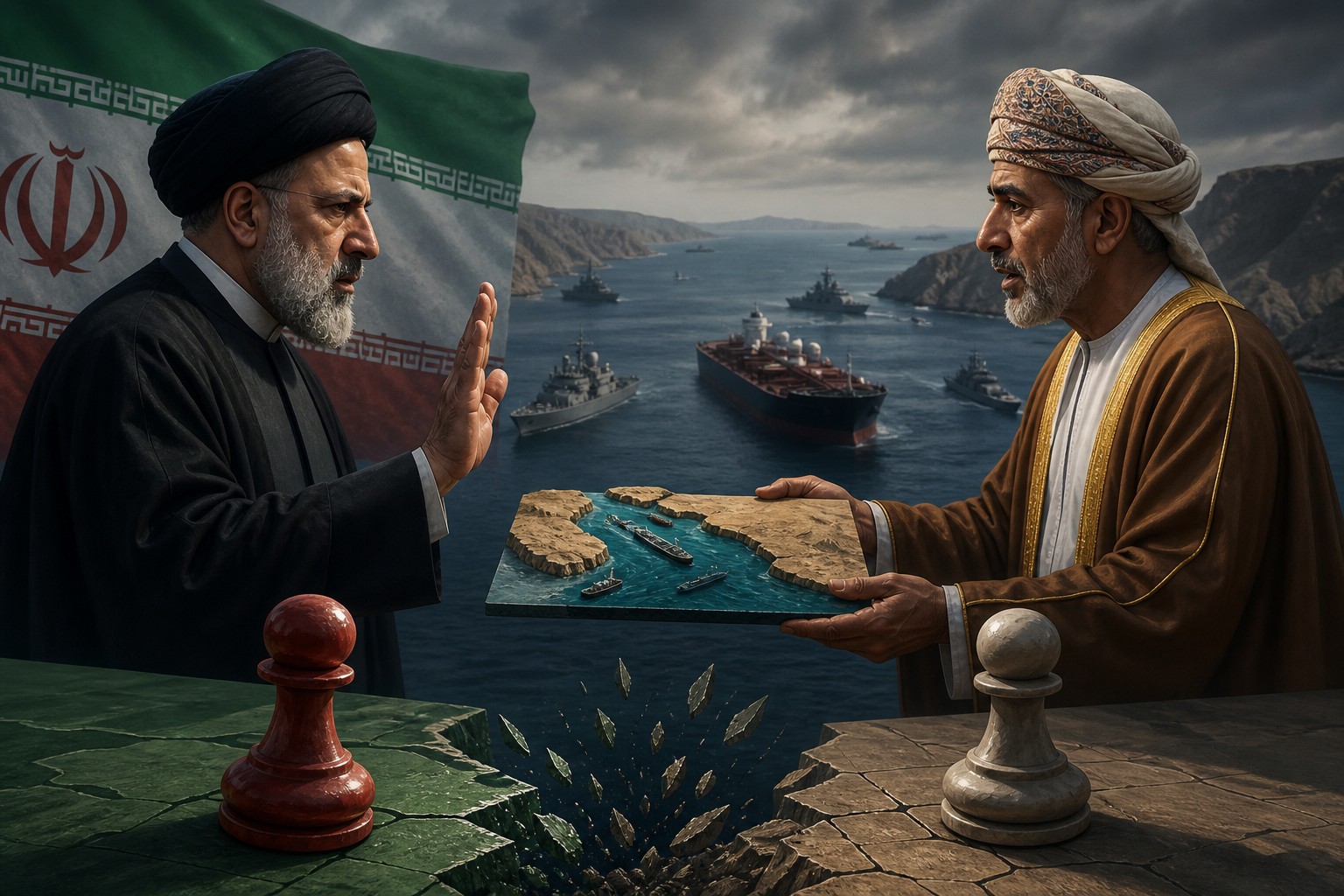
In a significant diplomatic development, Iran has firmly rejected a proposal from Oman suggesting shared control over the strategic Strait of Hormuz—a crucial waterway for global oil shipping. This decision signals Iran’s desire for increased sovereignty over the strait, amidst ongoing regional tensions and global geopolitical shifts.
The Strait of Hormuz, which connects the Persian Gulf to the Gulf of Oman, is a vital artery for international oil shipments, with nearly 20% of the world’s crude oil flowing through its waters. Reports indicate that during discussions aimed at enhancing maritime security, Iran conveyed that it seeks greater authority over the strait, viewing Oman’s proposal as insufficient.
Meanwhile, the evolving discussions follow President Trump’s recent remarks suggesting ongoing communication between the United States and Iran. Such diplomatic exchanges have sparked curiosity about the potential for renewed dialogue and conflict resolution in the region. Analysts suggest that any cooperative approach towards the Strait could lessen the risks of escalation between Iran and its neighbors.
In related developments, Iran and Oman exchanged various proposals aimed at managing shipping traffic more effectively in the Hormuz region. These talks reportedly included considerations for facilitating safer navigation while maintaining national interests, emphasizing the delicate balance of cooperation and control.
As the situation unfolds, it invites reflection on the biblical principles of stewardship and peacebuilding. In Romans 12:18, it states, “If it is possible, as far as it depends on you, live at peace with everyone.” This verse encourages us to consider the importance of dialogue, understanding, and shared responsibility in managing resources and relationships—principles that could guide nations in resolving conflicts today.
Ultimately, as nations grapple with their interests, the broader lesson encourages us to seek harmony and mutual respect. In these discussions, may we reflect on our own interactions, striving towards peace and shared stewardship in our communities and beyond. Let us ask ourselves: How can we contribute to peace in our own spheres of influence? The pursuit of understanding, built on a foundation of grace, can lead to transformative outcomes in both personal and global relationships.
If you want to want to know more about this topic, check out BGodInspired.com or check out specific products/content we’ve created to answer the question at BGodInspired Solutions
If positive Biblical wisdom matters to you, I’d love your support of the mission
Q&A about
Why does Iran want more control over the Strait of Hormuz?
Iran’s desire for increased control may stem from its strategic interests and geopolitical ambitions. From a biblical perspective, this reflects the human tendency to seek power and dominance, as seen in James 4:1, where conflicts arise from desires within us. The pursuit of control can lead nations to prioritize their interests over peace, echoing the importance of humility and servanthood that Jesus taught in Mark 10:43-44.
How does the Omani proposal for shared management relate to conflicts in human behavior?
The Omani proposal for shared management signifies a potential for cooperative diplomacy amidst conflict. However, humans often struggle with trust and self-interest, as warned in Matthew 7:12. This verse encourages us to treat others as we wish to be treated, suggesting that genuine collaboration could lead to more peace rather than a contentious struggle for control.
What might be the spiritual implications of Iran rejecting diplomacy?
Iran’s rejection of diplomatic overtures could indicate a hardened heart towards reconciliation and peace. In Romans 12:18, we are reminded to live at peace with everyone as much as it depends on us. This rejection not only affects political dynamics but also reflects a deeper spiritual truth about God’s call for unity and harmony among nations.
How can faith inform our understanding of global conflicts like the one in the Strait of Hormuz?
Faith helps us view global conflicts through a lens of hope and prayer rather than despair or animosity. Philippians 4:6-7 teaches us to be anxious for nothing but to pray about everything, which can empower believers to seek God’s guidance in areas of tension. Trusting in God’s sovereignty can offer a sense of peace and direction even amid geopolitical unrest.