 0
0
 0
0
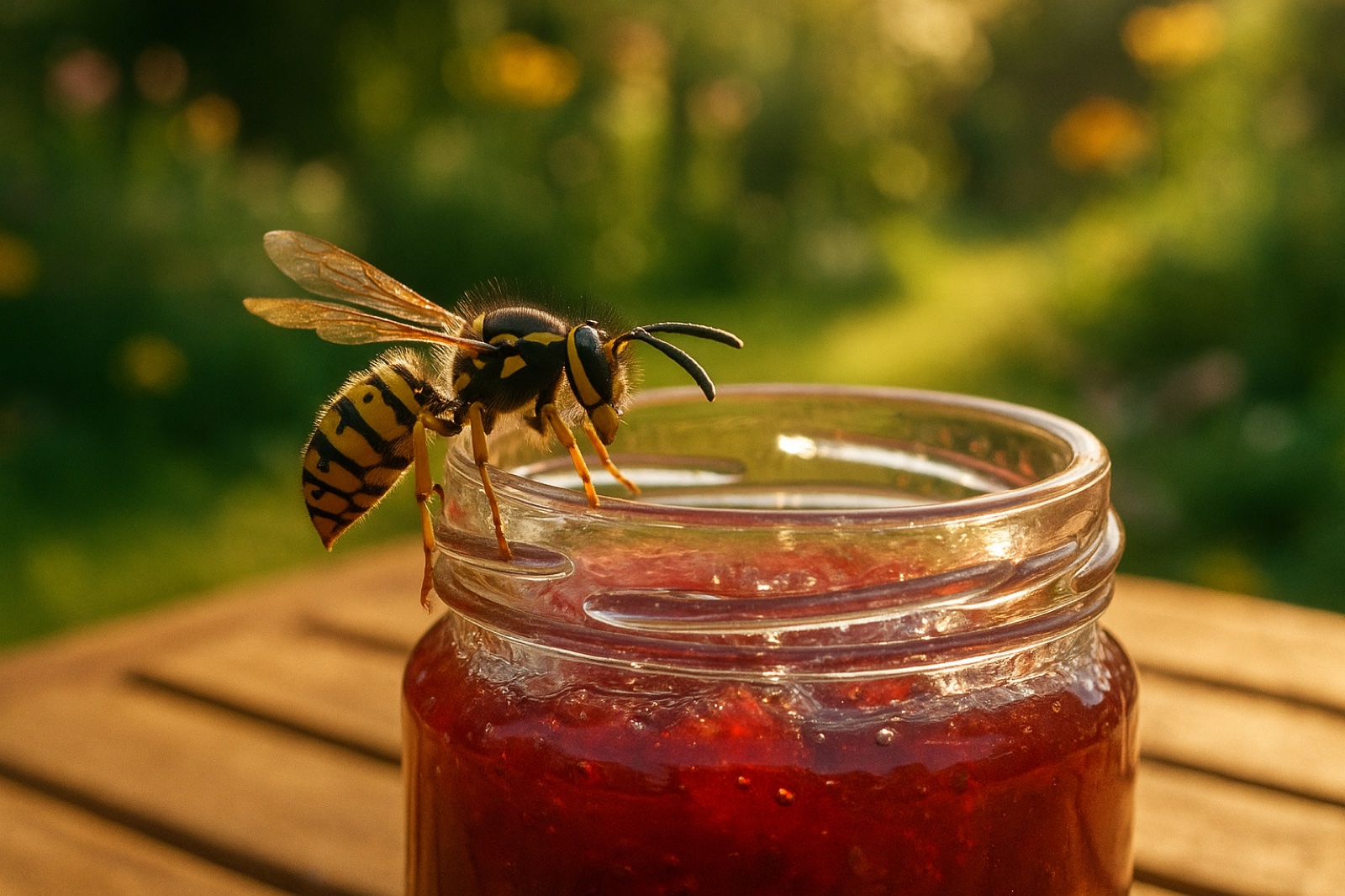
Think about the last time you ate outside on a hot day. The bread, the jam, the cold drink. And then, right on time, the buzz. A yellow-and-black wasp, landing on the rim of your glass like it paid for the meal.
Now picture the same table this summer in Britain, with no wasp at all.
That’s what a lot of people there noticed in 2026, and many started asking the same question: where have all the wasps gone? It sounds like good news. For most people, a wasp is the one insect they’d happily never see again. But the people who study wasps for a living aren’t celebrating. They’re worried. Here’s why, and why the insect nobody wanted might be one we miss.
Where Have All the Wasps Gone?
Seirian Sumner is a professor of behavioural ecology at University College London. She has spent her career studying wasps. In late July she wrote that she had noticed the missing wasps “acutely,” for a very practical reason. Her students need wasps for their experiments, and they simply couldn’t find them.
Think about that for a second. The expert whose job is finding wasps couldn’t find wasps.
She pointed to a second clue, too. Most summers, the news is full of wasp stories: wasps ruining picnics, wasps in pub gardens, wasps in the jam. This year those stories mostly went quiet. And pest controllers were getting fewer calls to remove nests than the year before.
It’s important to be honest about what this is and isn’t. Professor Sumner said it plainly herself: these are anecdotes, not data. The Big Wasp Survey, a large citizen science count, had not started sampling yet when she wrote. So nobody can say yet exactly how big the drop is, or whether it is only a bad year. But the signs, in her words, “are not good.”
If slowing down to notice small things like this does something good for you, we made a free video guide and PDF about finding something deeper in the ordinary moments of real life.
What the Weather Did to the Queens
To understand the missing wasps, start with the queen.
A common wasp nest doesn’t last through the winter. Only the young queens survive, tucked away somewhere sheltered. In spring, each queen wakes up and builds a new nest completely alone. She makes the first paper cells, lays the first eggs and flies out to feed the first babies herself. Until those first workers grow up, everything depends on her.
A warm, dry spring is usually good news for her. There is plenty of nectar to fuel her, and plenty of small insects to feed her young.
But spring 2026 was strange. It started warm and dry. Then came heat that was unusual for the time of year, broken up by cold, damp days and surprisingly chilly nights. Professor Sumner thinks those wild swings may have made many queens abandon their nests or die. Fewer queens in spring means fewer nests all summer.
Then the heatwaves came. Every insect has a top temperature it can survive, which scientists call its critical thermal maximum. For honeybees it is around 49°C (120°F). For wasps it may be lower, around 45°C (113°F). During the British heatwaves, ground surfaces went above 50°C (122°F). Even well below the deadly limit, heat takes a toll: bumblebees have been shown to think and forage less well at just 32°C (90°F).
Why the Wasps You Do See Look Small
People who did spot a wasp this summer noticed something odd. Many of them looked small, more like the size you’d expect in spring than in late summer.
There are two likely reasons. First, food. Wasp babies eat other insects, and if there are fewer insects around, the young wasps get less to eat. Second, heat. Insect young raised in hotter conditions grow up faster, and they reach the next stage of life at a smaller size. A hot summer can rush them into adulthood before they’ve had time to grow.
Small, underfed workers can’t gather as much food for the nest. So a hard spring can echo all the way through the summer.
The Work Wasps Do That Nobody Sees
Here is the part most of us never think about while we’re swatting.
For most of the summer, wasps are hunters. Adult wasps catch caterpillars, aphids, flies and other insects, chew them up and feed them to their young. London’s Natural History Museum estimates that social wasps in the UK catch around 14 million kilograms of insect prey every year. That’s a lot of caterpillars that never reach your vegetables.
Wasps are also pollinators. In 2021, researchers from University College London and the University of East Anglia reviewed more than 500 scientific papers about stinging wasps. They found wasps visiting 960 kinds of plants. And 164 plant species depend completely on wasps to be pollinated, including some orchids whose flowers imitate a female wasp to attract the males.
Wasps also scavenge, feeding on fallen fruit and dead insects, which helps break them down and return them to the soil. Pest control, pollination, clean-up: three jobs, done for free, mostly by an insect we chase out of the garden.
“Wasps could be just as valuable as other beloved insects like bees,” Professor Sumner said when that review came out, “if only we gave them more of a chance.”
Bees get the love. We’ve looked at how queen bees survive pesticides, and how most of the world’s insects live in the tropics, where scientists still barely study them. Wasps rarely get that kind of attention. And even the insects people like least are more complicated than they look. Most mosquitoes, for example, never bite a person at all.
We Rate Creatures by How They Treat Our Lunch
Be honest. If someone asked you to rank insects, where would the wasp go? Probably near the bottom, somewhere next to the cockroach.
But notice how we do that ranking. We judge a creature almost entirely by how it treats us, and usually by how it treats us at one moment: the moment it lands on our food. We know the wasp that bothers our lunch. We never meet the wasp that spent the morning clearing caterpillars off a cabbage, or the one carrying pollen to a flower no one will ever see.
It’s a small, funny reminder of how narrow our view can be. The creation story at the very start of the Bible doesn’t sort living things into useful ones and pests. When it gets to the small creeping things, it simply says God looked at them and called them good, long before any of us had a picnic to protect.
Maybe that’s worth remembering the next time something shows up in your life that you’d rather swat away.
What You Can Do
- Leave nests that aren’t hurting anyone. A nest in a far corner of the garden, away from doors and children, will die off naturally by late autumn. You don’t have to destroy it. If someone in your home is allergic to stings, or the nest is by a door, get help having it removed.
- Stay calm around a wasp. Flapping at a wasp can make it more likely to sting. Moving slowly away usually works better.
- Leave a wild corner. If you have any outdoor space at all, a patch of long grass or a few flowering weeds costs nothing and gives hunting and pollinating insects somewhere to live.
- Notice and count. If you live in the UK, researchers are asking the public to report wasp sightings at outdoor meals through the Wasp Picnic Survey 2026: Ham or Jam? Anywhere in the world, simply noticing which insects visit your food, or don’t, is how most of these patterns first get spotted.
Next summer, a wasp might land on the rim of your glass again. You’ll probably still wave it away. That’s fine. But you might also watch it for a moment and remember that when they went missing, the people who knew them best were the ones who noticed first, and that the small, annoying things around us are often doing more good than we ever see.
Let’s Talk
Here’s a question for a friendly debate: now that you know what wasps do, would you rather have more of them next summer or fewer? Tell us which side you’re on in the comments below.
Share This
- “A wasp expert said her students couldn’t find wasps for their experiments this summer. Turns out the insect everyone swats catches millions of kilograms of garden pests a year. Where have all the wasps gone?”
- “164 plant species depend completely on wasps to be pollinated. I did not know that until today.”
- “We judge wasps by how they treat our lunch. We never see the one clearing caterpillars off the cabbage.”
Questions People Ask
Where have all the wasps gone in 2026?
Wasps were unusually scarce in Britain in summer 2026. Wasp biologist Professor Seirian Sumner of University College London suggested that an erratic spring, with unusual heat followed by cold, damp days and chilly nights, may have caused many queen wasps to abandon their nests or die, and that repeated heatwaves then stressed the colonies that survived. She stressed that the evidence so far is anecdotal, because formal wasp surveys had not yet counted that summer’s numbers.
Why are wasps so small this year?
Wasps seen in Britain in summer 2026 were often smaller than usual. Two likely causes are heat and food. Insect larvae raised at higher temperatures develop faster and reach adulthood at a smaller size, and a shortage of the insects that wasps hunt can leave their young underfed.
Are wasps good for anything?
Yes. Wasps are predators that hunt caterpillars, aphids, flies and other insects that damage crops and gardens. London’s Natural History Museum estimates that social wasps in the UK catch about 14 million kilograms of insect prey each year. Wasps also pollinate flowers and help break down dead insects and fallen fruit.
Do wasps pollinate flowers?
Yes. A 2021 review in the journal Biological Reviews, led by researchers at University College London and the University of East Anglia, found evidence of wasps visiting 960 plant species. It found that 164 plant species rely entirely on wasps for pollination, including some orchids whose flowers imitate female wasps.
What temperature is too hot for wasps?
Wasps may have a critical thermal maximum, the highest temperature they can survive, of around 45°C (113°F), which is lower than the roughly 49°C (120°F) estimated for honeybees. During British heatwaves in 2026, ground surfaces reached more than 50°C (122°F), and heat can impair insects well before it becomes deadly.