 0
0
 0
0
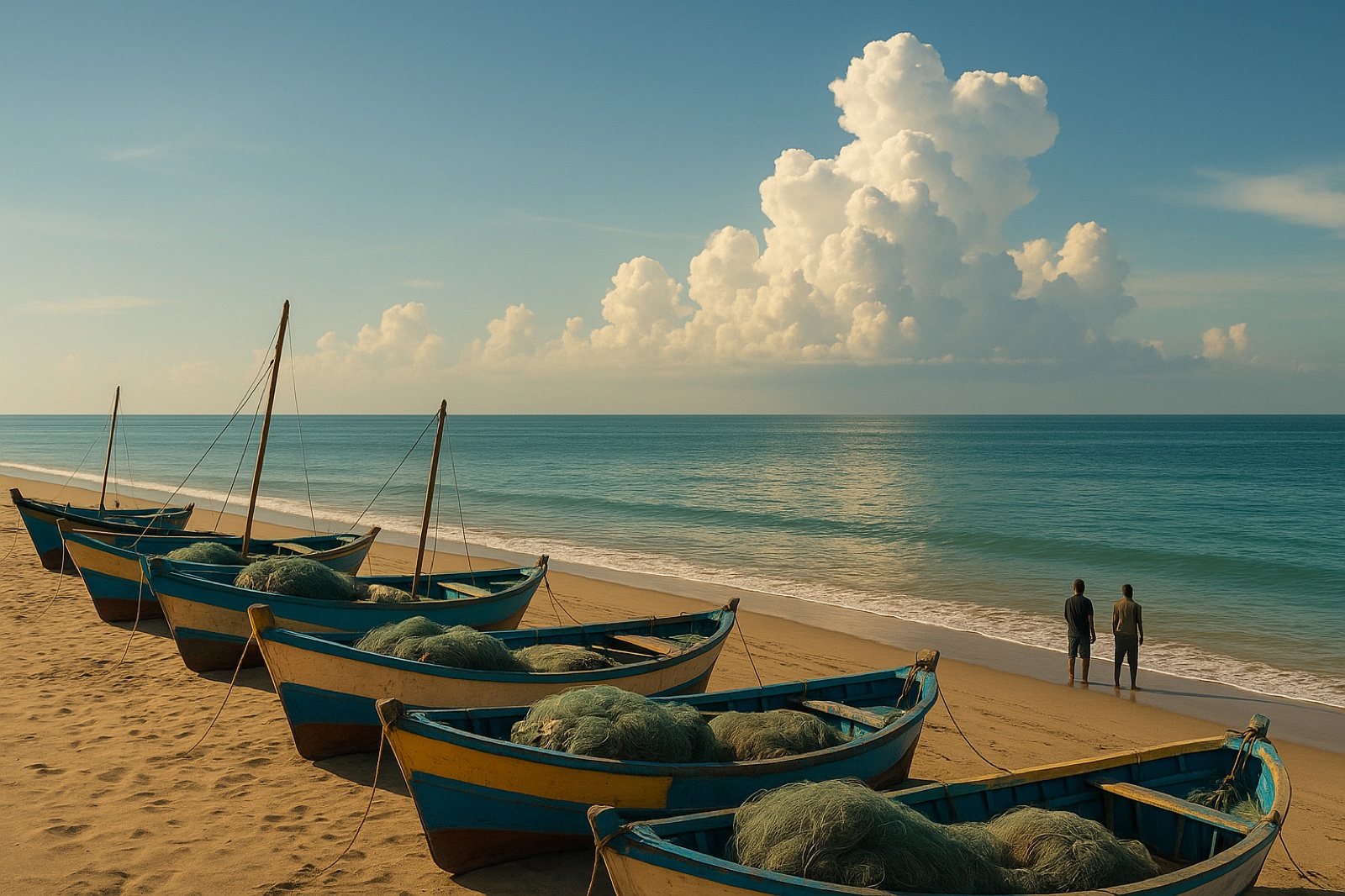
Some time in the 1600s, fishermen on the coast of South America noticed something odd. In certain years, right around the end of December, the sea turned warm. And when the water warmed, the fish thinned out.
They gave that warm water a name. They called it El Niño, “the little boy.” And they meant one little boy in particular: the Christ child, because the warm water showed up around Christmas.
Four hundred years later, that name is on weather maps all over the world. El Niño 2026 is building fast, and forecasters say it could turn out to be the strongest one ever measured. Here is what is actually happening, what it may mean where you live, and why a name about a newborn fits it better than you might think.
What Is Happening With El Niño in 2026?
On September 3, 2026, the World Meteorological Organization (WMO), the United Nations weather agency, said this El Niño is expected to become “very strong,” peak toward the end of 2026, and keep affecting weather into 2027. The WMO put the chance that El Niño lasts through February 2027 at nearly 100%.
UN Secretary-General António Guterres put it bluntly: “El Niño is being supersized before our eyes.” WMO Secretary-General Celeste Saulo added: “This exceptional El Niño demands exceptional preparation and response.”
Other forecasters agree on the direction:
- The US National Weather Service has given a 90% or greater chance of a very strong El Niño from September 2026 through January 2027.
- Climate scientist Daniel Swain has estimated roughly a 70% chance that this becomes the strongest El Niño on record since 1950, most likely peaking between October and December.
- Between late July and mid-August, the key patch of the tropical Pacific that scientists watch (called Niño 3.4) was already running about 2.2 to 2.6°C warmer than normal, according to the WMO. A “super” El Niño is usually described as about 2°C above normal or more.
One honest caveat: “could be the strongest on record” is a forecast, not a fact yet. A 70% chance also means a 30% chance it isn’t. What nobody disputes is that it is already strong and still growing.
What El Niño Actually Is
Normally, steady winds push warm surface water west across the Pacific, toward Asia and Australia. Off the coast of Peru and Ecuador, cold water from deep down rises up to replace it. That cold water is full of nutrients. Tiny plants feed on those nutrients, small fish feed on the plants, and some of the richest fishing grounds on Earth are the result.
During El Niño, those winds weaken. The warm water sloshes back east. The cold, rich water stops rising the way it should. According to NOAA, this cuts off the nutrient supply near the surface and “adversely affected higher trophic levels of the food chain, including commercial fisheries in this region.” In plain words: fewer fish.
And because the Pacific is so big, moving that much warm water moves the weather of the whole planet with it. Rain shifts to places that don’t usually get it, and leaves places that count on it.
Why Is It Called El Niño?
This is the part most people have never heard.
When the fishermen first named it, El Niño was not the planet-sized event we mean today. NOAA describes it as warm water the fishermen noticed “near the beginning of the year,” and the name comes from its habit of arriving around Christmas. Over time, scientists stretched the name to cover the big years, when the warm water stayed for months and changed weather far beyond South America.
Stop and think about who named it. These were people whose food and income came out of that sea. The warm water was bad news for them. It meant empty nets. And they did not name it after a storm, a curse, or a monster. They named it after a baby born at Christmas.
Nobody knows exactly what went through their minds when they chose that name. It may simply have been a calendar marker, the way we say “the Christmas rush.” But the name stuck for four centuries, and it is still there on every forecast.
What a Strong El Niño May Mean Where You Live
The WMO makes a careful point here: how strong El Niño is does not decide how bad things get in any one place. Local effects depend on the season and on other climate patterns. So treat the list below as “what often happens,” not “what will happen.”
- Heat: For September to November 2026, the WMO expects warmer-than-normal temperatures across almost all land areas.
- Drier: Strong El Niño years often bring drought to places like Australia, Indonesia, parts of India and parts of Africa. In Southeast Asia, dry seasons can mean more wildfire and haze.
- Wetter: Southern South America and eastern Africa often see heavy rain. The coasts of Peru and Ecuador, where the name began, can flood.
- Storms: El Niño tends to calm the Atlantic hurricane season while stirring up parts of the Pacific.
The best source for your area is your own national weather service. Most now publish seasonal outlooks that account for El Niño.
How to Prepare for El Niño (Without Spending Much)
The good news hiding inside this story is the warning itself. Most hard weather arrives with a few days’ notice at best. This one has been announced months ahead. That is time you can use.
- Look up your local seasonal outlook. Find out whether your area usually runs wetter, drier, or hotter in El Niño years.
- Save water while it is plentiful if your region tends to go dry. Clean containers with lids are enough.
- Plan for heat. Know the coolest room or shaded spot near you, and when to stay out of the midday sun.
- Clear drains and gutters if your area tends to flood.
- Check on one older neighbor. Heat and flooding hit hardest the people who live alone.
If you like watching warning signs up close, we wrote about four warning signs a hurricane is about to strengthen fast, and about the peat fires under Indonesia that won’t stop until it rains, the kind of fire dry El Niño years tend to feed.
A Warning Months Ahead, Named for a Child
Here is the thing that stays with me about this story.
The fishermen named the most unsettling thing in their world after a child whose arrival, in the old story, was first announced to working people outside at night, doing their jobs, frightened out of their wits. And the first words they heard were: don’t be afraid.
That is not a promise that nothing hard would ever come. The same story has plenty of hard things in it. It is something quieter than that: the idea that even the unsettling arrivals come into a world God has not let go of. The fishermen may never have meant it that way. But the name they chose carries it anyway.
And maybe that is the right way to hold a forecast like this one. Not with panic, and not by pretending it’s nothing. With open eyes, a few sensible steps, and the steadiness of someone who doesn’t believe the weather gets the last word.
The Bottom Line
El Niño 2026 is strong, still growing, and likely to shape weather around the world into 2027. You can’t stop it. But you’ve been told early, and that is worth something. Check your local outlook this week, take one small step to get ready, and look in on someone who might need a hand when the heat or the rain arrives.
And the next time you hear the name on the news, you’ll know it started with a handful of fishermen, a warm sea, and a baby born at Christmas.
Discussion Question
Why do you think fishermen would name something that hurt their catch after the Christ child? Was it just a calendar marker, or something more? Tell us what you think in the comments below.
Share This
“Never knew El Niño means ‘the Christ child.’ Fishermen named it 400 years ago for the warm water that showed up around Christmas, and emptied their nets. Now it could be the strongest on record: https://bgodinspired.com/index.php/nature-and-creation/el-nino-2026-christ-child-name/”
“The UN says El Niño is ‘being supersized before our eyes.’ This explains what it is, what it may mean where you live, and simple ways to get ready that don’t cost much. Worth 5 minutes.”
“The best part of this El Niño forecast? We got told months ahead. Most bad weather gives you days. Use the time.”
Questions People Ask About El Niño
What does El Niño mean?
El Niño is Spanish for “the little boy,” and it refers specifically to the Christ child. Fishermen on the Pacific coast of South America, who first noticed unusually warm ocean water in the 1600s according to NOAA, gave it the name because the warm water tended to arrive around Christmas.
Is El Niño 2026 the strongest on record?
Not yet, but it could be. In September 2026 the World Meteorological Organization said El Niño was set to become “very strong” and peak toward the end of 2026. Climate scientist Daniel Swain estimated about a 70% chance it becomes the strongest El Niño since records began in 1950, most likely peaking between October and December 2026.
How long will El Niño 2026 last?
The World Meteorological Organization put the chance that El Niño 2026 continues through February 2027 at nearly 100%, with its effects on weather expected to continue into 2027. El Niño events typically last around nine to twelve months.
What does El Niño do to the weather?
El Niño happens when winds across the tropical Pacific weaken and warm water spreads east toward South America. This shifts rainfall around the world. Strong El Niño years often bring drought to places such as Australia, Indonesia and parts of India and Africa, heavy rain to southern South America and eastern Africa, and warmer temperatures across most land areas. Effects vary by region and season.
Why is El Niño bad for fishing?
Off Peru and Ecuador, cold water normally rises from the deep ocean carrying nutrients that feed plankton, which feed fish. During El Niño, warm surface water blocks that upwelling, the nutrient supply drops, and fish populations in the region decline. That is why the fishermen who named El Niño were among the first people it affected.