 0
0
 0
0
Title: July 4 Fireworks Amid Drought: A Growing Danger for Wildfires
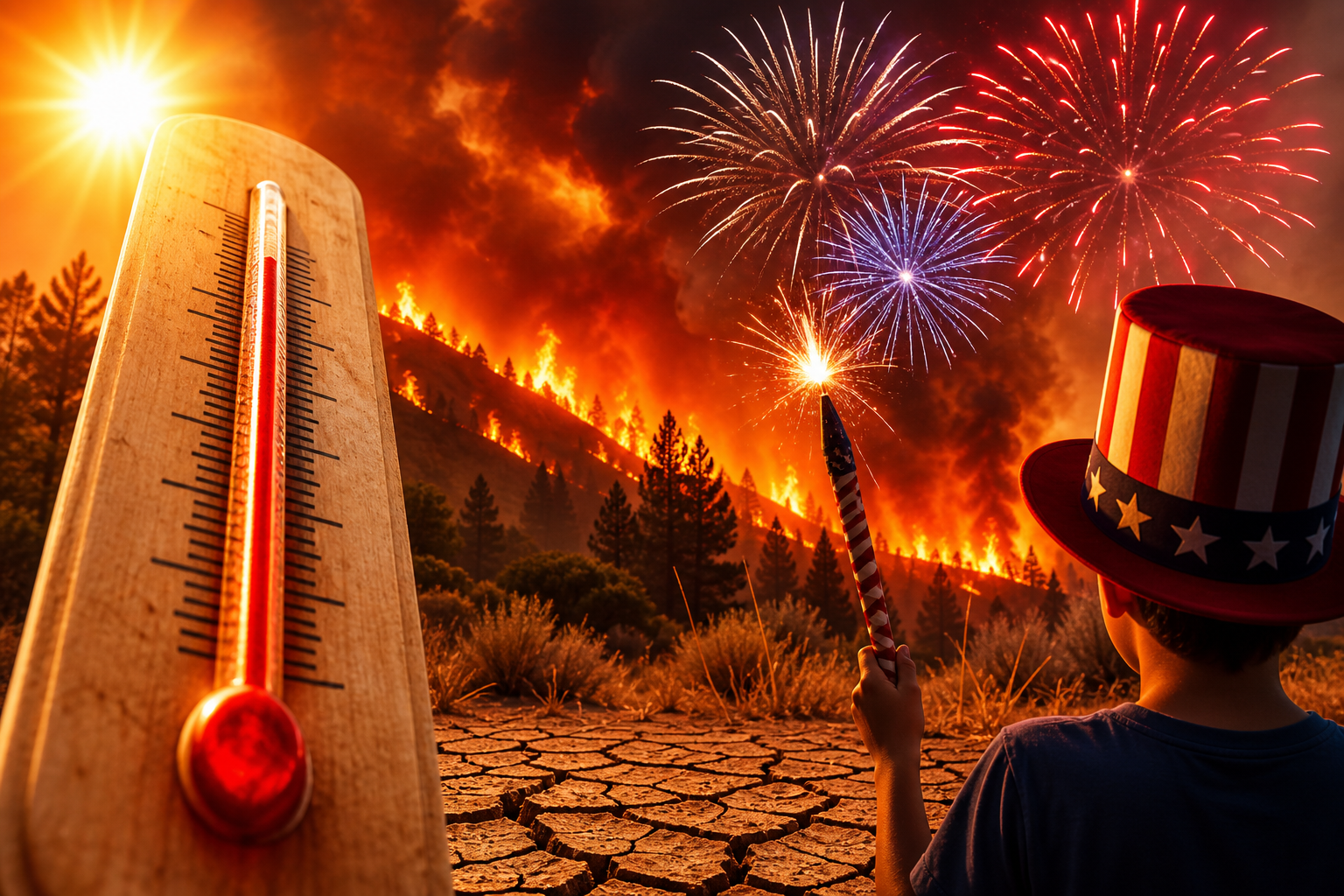
As the United States prepares to celebrate its 250th anniversary of independence on July 4, 2026, communities across the country are gearing up for a series of extravagant fireworks displays. However, amidst the jubilant celebrations lies a significant concern: the heightened risk of wildfires due to an ongoing drought affecting many regions.
Fireworks have long been a staple of Independence Day celebrations. Yet, the reality is stark—fireworks were responsible for an estimated 32,000 fires in 2023 alone. The Fourth of July marks a sharp increase in human-caused fires, with roughly 15,000 incidents recorded on this holiday from 1992 to 2020. Particularly alarming is the current moderate to severe drought affecting large swaths of the U.S., which has amplified the fire danger.
Many communities have responded to this fire risk by implementing fireworks bans or opting for safer alternatives, like drone shows. Notably, in Colorado, several professional fireworks displays were canceled due to ongoing wildfires.
The Roots of the Crisis
The first half of 2026 has already seen more wildfires than in the first half of any prior year over the last decade, attributed mainly to unusually dry conditions. The southeastern U.S. is grappling with severe drought, leaving vast areas vulnerable to wildfires. In other regions, such as the West and Great Plains, exceptional drought conditions are causing entire communities to evacuate as flames threaten homes and forests.
As we experience extreme heat alongside dryness, the situation becomes even more precarious. A recent study pointed out that 42% of all land burned in the West from 2001 to 2024 occurred during or shortly after a heat wave. High temperatures and dry foliage create a recipe for disaster, highlighting the sobering consequences of human-caused fires.
A Call for Caution
In light of these risks, the National Fire Protection Association emphasizes that individuals should leave fireworks to the professionals. This advice isn’t just about safety—it’s a reflection of the profound biblical principle of stewardship. As caretakers of the Earth, we are called to protect not only our homes but also the natural world around us.
“The earth is the Lord’s, and everything in it, the world, and all who live in it.” – Psalm 24:1.
By refraining from using personal fireworks, we honor our responsibility to care for creation, minimizing risks to wildlife, natural habitats, and our communities.
Moving Forward with Purpose
As we celebrate this monumental occasion in our nation’s history, let us be mindful of the conditions we face and the choices we make. The tragic effects of wildfires extend beyond immediate danger; they can erode ecosystems and displace communities.
In reflecting on this year’s July 4 celebrations, we are invited to consider a broader spiritual lesson—the importance of responsible stewardship over our environment. By embracing collective safety and supporting public displays instead of private fireworks, we not only safeguard our communities but also foster a deeper connection to the world God created.
As you celebrate this Independence Day, take a moment to reflect on the positive impact of wise choices. In honoring our shared responsibility, let us strive to ignite a spirit of community and care that resonates far beyond mere fireworks.
In doing so, we embody the core values we uphold while reflecting on our own roles in safeguarding what is precious.
If you want to want to know more about this topic, check out BGodInspired.com or check out specific products/content we’ve created to answer the question at BGodInspired Solutions
If positive Biblical wisdom matters to you, I’d love your support of the mission
Q&A about
Are fireworks really dangerous during a drought, and how can I find peace about this?
Fireworks can pose a significant danger during drought conditions due to the increased risk of wildfires. Jesus reminds us in Matthew 5:14 that we are the light of the world, called to shine brightly while also being responsible stewards of creation. Trusting in God’s guidance means considering how our celebrations can align with His call to protect the environment and love our neighbors.
How should my Christian faith influence my view on celebrating the Fourth of July with fireworks this year?
Your faith can guide you in making responsible choices that honor both God and your community. Philippians 2:4 teaches us to look not only to our own interests but also to the interests of others. When celebrations may endanger others, it’s an opportunity to consider alternatives that can be equally joyful without risking harm.
Is it okay to skip fireworks and do something different for the holiday?
Absolutely! Embracing different traditions can reflect your values and promote safety. Romans 14:19 encourages us to pursue what leads to peace and mutual edification, suggesting that finding ways to celebrate that protect life and property aligns with a faithful approach to rejoicing together.
How can I encourage my church community to celebrate responsibly this Fourth of July?
Start a conversation about safety and stewardship during this season of celebration. Ephesians 5:15-16 advises us to be wise and make the most of every opportunity, which includes being proactive about wildfire risks. Encouraging your community to explore safer activities, like enjoying outdoor gatherings with food and fellowship, can foster both joy and mindfulness.