 0
0
 0
0
The Gift of Sight in “See” and an Unexpected Biblical Parallel
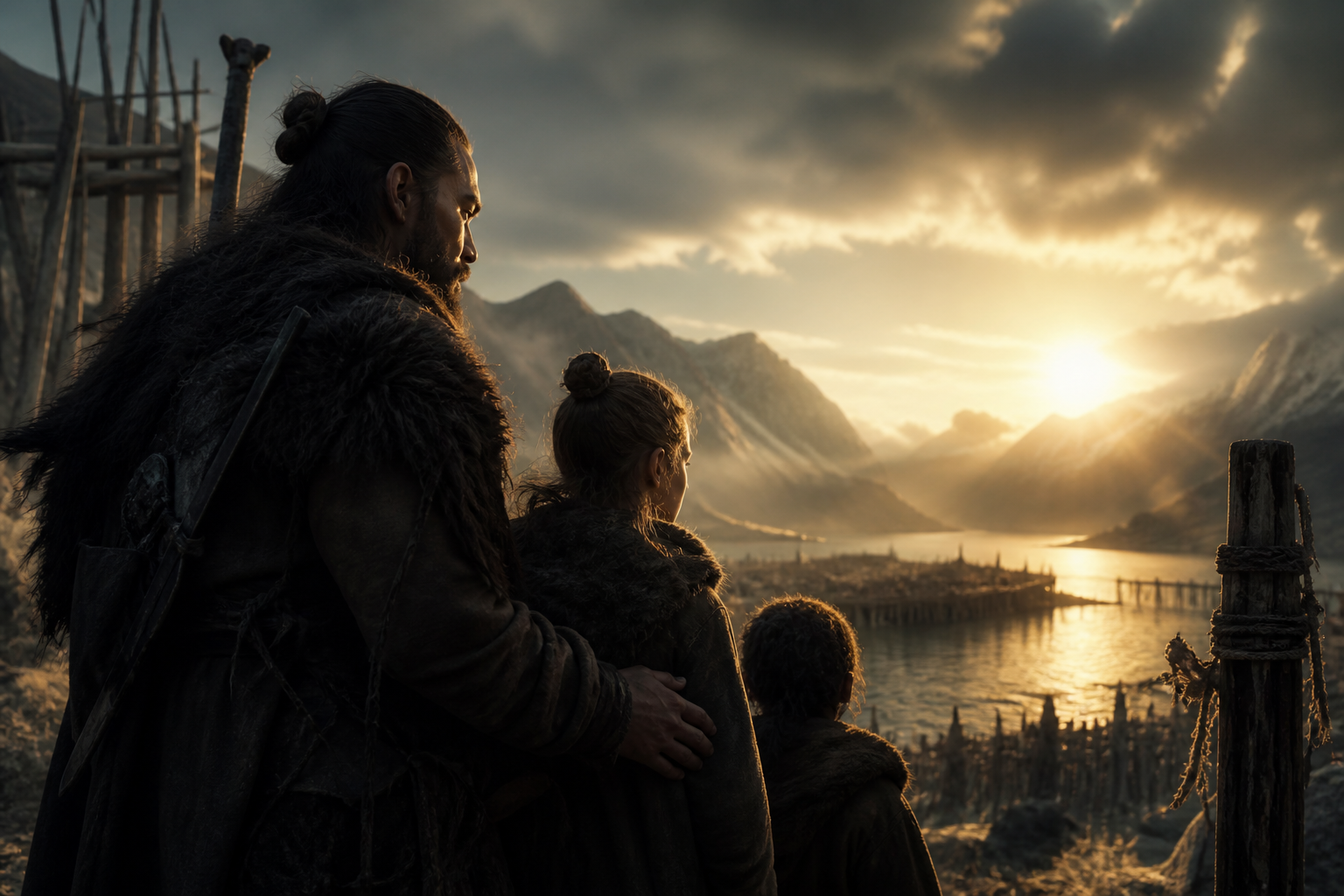
Anyone who’s seen “See” (pun intended) knows the mesmerizing moment when Kofun, standing amidst the visually-impaired, experiences sight for the first time. It’s not just about physical sight but a profound awakening to a new reality, one that his community has only imagined. His struggle with this newfound perception turns into a powerful metaphor for identity and belonging — and serves as the perfect lens (again, pun intended) through which we can explore our own search for purpose and truth.
As Kofun grapples with this sense of isolation and privilege, “See” invites us to ponder what it means to truly “see” the world and, more poignantly, each other. His journey challenges us to confront the deeper layers of human connection. What makes us genuinely see someone else? Is it shared experiences or the vulnerability in recognizing our differences? This theme of perception versus reality hits home when Baba Voss, despite his blindness, embodies a deep spiritual insight and clarity that Kofun struggles to understand.
This leads us to a surprising biblical parallel, shedding light on both the narrative of “See” and a deeper truth hidden in scripture. In the New Testament, there’s a poignant story of Jesus healing a blind man, which is more than an act of physical healing — it’s a spiritual awakening. Jesus’ interaction here suggests that true sight comes from recognizing the profound truths about ourselves and others, much like Kofun’s journey.
In John 9, the man born blind receives not only his physical sight but also an awakening to his true self and purpose. When Kofun begins to truly “see,” he’s not just perceiving the physical world, but uncovering his place and identity within it — a powerful allegory for spiritual insights that transcend mere vision.
This unexpected alignment between Kofun’s journey and the biblical story offers something richer: the realization that sight, whether literal or metaphorical, is both a gift and a challenge. It demands courage, vulnerability, and a willingness to step beyond the familiar darkness into the light of a truth that may alter everything we thought we knew.
So, as fans of “See,” we can pause and consider: What if the true power of vision is not in what we perceive but in how we interpret and react to that knowledge? This brings forth the question: Can true vision, in both the show and our lives, guide us to connect more authentically, standing unguarded before the truths we both fear and crave?
What do you think? How does Kofun’s literal and metaphorical journey to sight alter your perception of what it means to “see” genuinely? Let me know in the comments.
—
Social Share Post: 🌟 Just realized “See” reveals more than meets the eye. Kofun’s sight challenges us to explore deeper truths about vision and connection. How does sight influence your path? Discover the unexpected insight here: [article URL] 👀✨ #SeeAppleTV #FaithAndSight
If positive Biblical wisdom matters to you, I’d love your support of the mission
Q&A about See (2019-2022)
How does the concept of blindness in "See" relate to Christian teachings?
In "See," physical blindness is a central theme, highlighting how people navigate life with limitations. Similarly, in John 9, Jesus heals a man born blind, emphasizing spiritual sight over physical conditions. This story encourages us to seek Jesus as the light of the world, guiding us beyond our limitations.
What Christian values can be seen in the character of Baba Voss?
Baba Voss demonstrates sacrificial love and protection for his family, resonating with Ephesians 5:25, which calls husbands to love their wives just as Christ loved the church. His character mirrors the biblical principle of laying down one’s life for others, showcasing Christlike devotion and strength.
How should Christians interpret the violence in "See"?
While "See" contains violence, Christians can reflect on Jesus’ teaching in Matthew 5:9, where He blesses peacemakers. Instead of embracing violence, believers are encouraged to pursue peace and reconciliation, embodying Christ’s love and compassion in all actions.
Does "See" provide any insight into living by faith, not by sight?
Though "See" is set in a world of literal blindness, it echoes 2 Corinthians 5:7, which teaches believers to walk by faith, not by sight. The series can inspire viewers to trust in God’s guidance, relying on faith to navigate the unseen challenges of life.