 0
0
 0
0
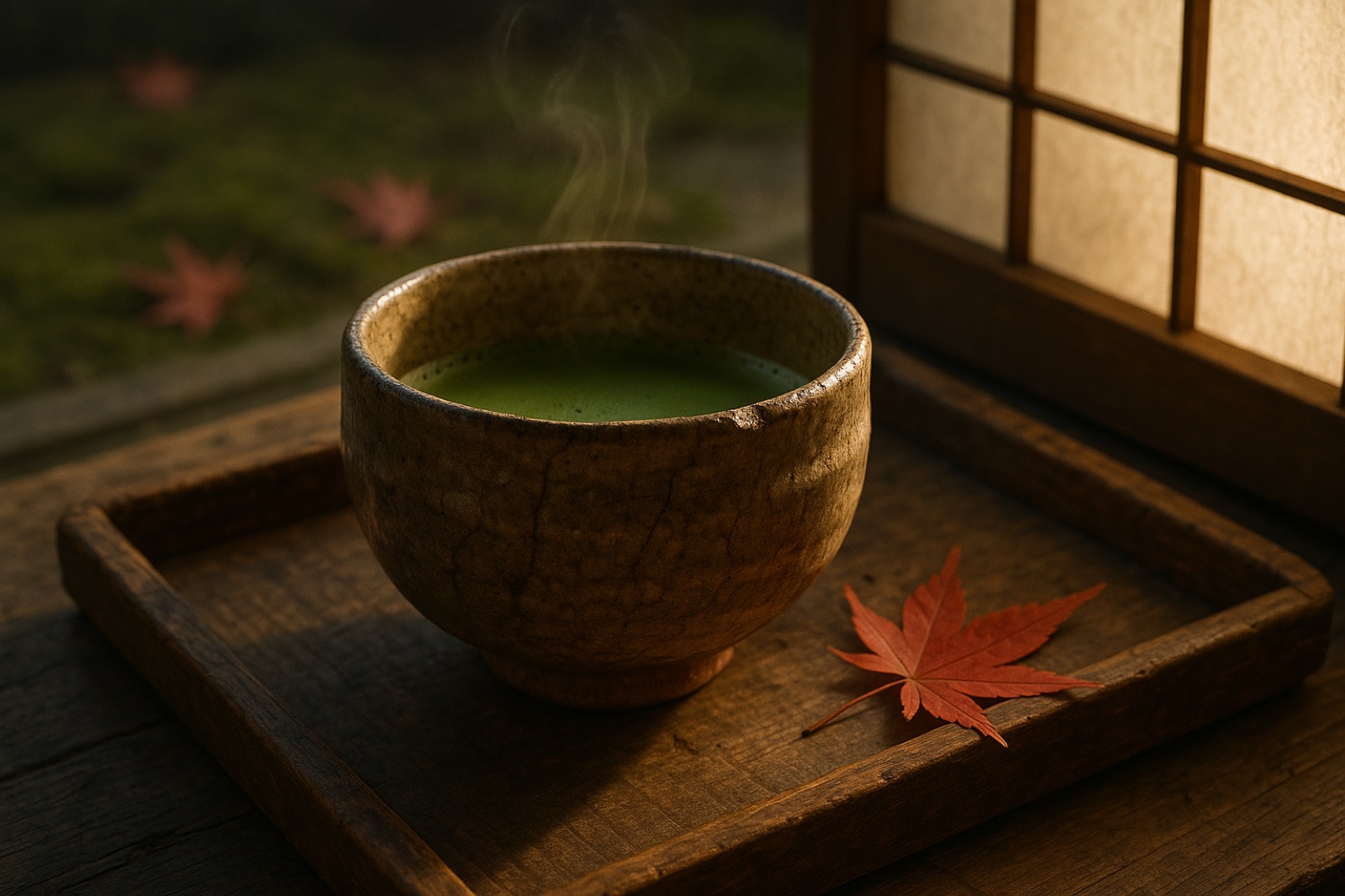
Picture two tea bowls. One is perfect. Smooth, even, bright, straight out of the shop. The other is lumpy. Its rim dips on one side. The glaze has tiny cracks, and there is a worn spot where thumbs have held it for years.
Which one would you want to hold on a cold morning?
If you picked the second one, you already understand the wabi-sabi meaning better than most people who use the word. Wabi-sabi is the Japanese eye for beauty in things that are simple, worn, unfinished, and passing. Not beauty in spite of those things. Beauty because of them.
But here is the part almost nobody tells you. Both of those words started out sad.
Wabi-Sabi Meaning: What the Two Words Say
Wabi-sabi is really two words stuck together, and each one has its own job.
Wabi is about a quiet, plain way of living. Think of a small hut, a simple meal, a life without extra. Today it points to humble, calm beauty.
Sabi is about what time does to things. Moss on a stone. A faded wooden gate. A bowl that has been used for fifty years. The word sounds just like the Japanese word for rust, and many writers believe the two are related.
Put them together and you get a way of seeing. Wabi is the plainness. Sabi is the wear. Wabi-sabi is noticing that a plain thing, marked by time, can be more beautiful than a shiny new one.
That is the short answer. The long answer is where it gets interesting.
It Began as Loneliness
In older Japanese writing, these were not happy words. Wabi carried the feeling of being alone, far from other people, with not much to your name. Sabi carried the feeling of something chilled, thin, and withered, like a field in late autumn.
In other words, they were words for loss. For being left out. For things fading.
Over hundreds of years, something slowly turned. Poets and monks in Japan began to look at that loneliness differently. They started to say that seeing things as they really are, empty and passing, was the first step toward seeing clearly. Wabi-sabi grows out of Buddhist teaching about three marks of life: that everything changes, that life carries suffering, and that nothing stands on its own forever.
So the sad words did not disappear. They were kept, and slowly they came to mean something warmer. The loneliness became quiet. The withering became patina. The same field in late autumn stopped being only a loss and started being beautiful.
That is the gold nugget here. Wabi-sabi is not a cheerful word someone made up for home decor. It is what happened when people sat with sadness long enough to find beauty inside it.
The Tea Bowl Rebellion
Wabi-sabi took its most famous shape in the Japanese tea ceremony.
In the 1400s, rich people in Japan loved to show off costly tea bowls and tools brought over from China. Tea was a way to display wealth.
Then a Zen priest named Murata Jukō (1423–1502) did something bold. He began using plain local bowls made of clay and simple wooden tools. He wanted tea to be about the heart, not the price tag. This style became known as wabi-cha, or “wabi tea.”
About a century later, the tea master Sen no Rikyū (1522–1591) carried the idea further than anyone. He is the name most closely tied to wabi-sabi today. He built tiny, rustic tea rooms with low doors, so that everyone, even a powerful lord, had to bow down to come in. Inside, nobody was bigger than anyone else.
There is a famous story about Rikyū. As a young student, he was told to clean his teacher’s garden. He raked it until it was perfect. Then, before showing his teacher, he shook a tree so a few leaves fell back onto the clean ground. The story comes in several versions, some with maple leaves and some with cherry blossoms, and nobody can prove it happened. But people keep telling it, because it captures the idea so well. A garden with no fallen leaves is not finished. It is fake.
Why Everyone Was Searching “Wabi-Sabi” Last November
If you have seen the word everywhere lately, there is a funny reason.
In a 2002 episode of the cartoon King of the Hill called “The Son Also Roses,” a boy named Bobby shows his dad a rose that is not quite perfect. He says, “But I like how mine’s a little off-center. It’s got wabi sabi.”
More than twenty years later, in late 2025, that clip went viral on TikTok. People used the sound to show off a crooked tooth, a scar, a funny laugh, and say that it had wabi-sabi. Searches for the word shot up for months.
There is something lovely about that. A whole lot of people, tired of filters and perfect faces, grabbed an old Japanese word to say, “This is me, and I’m okay.”
But the TikTok version only catches half of it.
What Most People Get Wrong About Wabi-Sabi
In the West, wabi-sabi is often shortened to “imperfect is pretty.” A chipped mug. A messy bun. A rustic shelf that costs a fortune in a design shop.
That is not wrong, but it is thin. Here is what gets lost:
- It is mostly about time, not flaws. Wabi-sabi is less about a crooked tooth and more about the fact that nothing lasts. The worn step, the fading photo, the grey in your hair. It asks you to love things while they are passing.
- It is about less, not more. Jukō and Rikyū were pushing back against showing off. You cannot buy your way into wabi-sabi. A “wabi-sabi look” that costs a lot kind of misses the point.
- It includes sadness. Remember where the words came from. Wabi-sabi does not pretend loss is fine. It sits in the ache of things ending and finds beauty there anyway.
Wabi-sabi is also a cousin of kintsugi, the art of mending broken pottery with gold. Kintsugi is about a break that gets repaired. Wabi-sabi is bigger and quieter. It is about the slow wearing that happens to everything, whether it ever breaks or not.
If you like words like this, Japan has another one that the West also got a little wrong. Our piece on what ikigai really means tells that story.
How to Live a Little Wabi-Sabi (Without Buying Anything)
You don’t need a tea room or a pricey bowl. You can try this today, wherever you are.
- Use the old thing. The cup with the chip. The chair that creaks. Notice what the years have done to it instead of wishing it were new.
- Leave one leaf on the path. Clean your space, then stop one step short of perfect. See how it feels.
- Look at something slowly fading. A flower on its last day. Evening light. Your own hands. Just look. No fixing.
- Say one true thing about yourself that isn’t polished. To a friend, or even just out loud to yourself. “I’m tired.” “I’m getting older.” “I’m still learning.”
- Let a job be good enough. Finish something today without making it perfect. Unfinished is part of the idea.
The Part Wabi-Sabi Doesn’t Say Out Loud
Wabi-sabi is honest in a way few ideas are. It looks straight at the fact that everything wears out, including us, and it refuses to look away.
There is a very old letter, written by a man who had been beaten, shipwrecked, and worn thin by years on the road, that looks at the same truth. He knew about wearing out. But he says one more thing. The outside of us is wasting away, he writes, and the inside is being made new, day by day.
That is not a denial of wabi-sabi. It stands right beside it. The wearing is real. The wrinkles and the tiredness and the slow fading are real. But while the outside is being worn by time, something inside you may be quietly getting newer. Not finished. Being made. As if the One who made you isn’t done yet.
Maybe that is why the worn bowl feels so good to hold. It isn’t only old. It has been loved into its shape.
What Wabi-Sabi Leaves You With
Two sad words, loneliness and withering, were carried for centuries until people found beauty hiding inside them. That might be the best lesson of all. You don’t have to pretend the hard parts of life are fine. You can sit with them long enough to see what else is there.
The crooked rim. The fallen leaf. The grey hair. The chip in your favourite mug. Maybe they are not the flaws in the story. Maybe they are the proof it was lived.
And if a lonely word can learn to mean something beautiful, so can a lonely season. For another word that started as grief and became something more, read our piece on the Welsh word hiraeth.
Over to You
Is wabi-sabi a real way of seeing the world, or has it become just another word for “messy but trendy”? Which do you think it is today? Tell us in the comments.
Wabi-Sabi Q&A
What does wabi-sabi mean in simple words?
Wabi-sabi is a Japanese way of seeing beauty in things that are simple, worn, unfinished, and passing. “Wabi” points to quiet, plain, humble beauty. “Sabi” points to the marks time leaves on things, like rust, moss, or a faded surface. Together, wabi-sabi means finding beauty in what is old, imperfect, and not built to last forever.
Were wabi and sabi originally sad words?
Yes. In older Japanese writing, wabi carried the feeling of loneliness and living far from others, and sabi carried the feeling of something chilled, withered, or worn down. Over hundreds of years, and under the influence of Zen Buddhism and the Japanese tea ceremony, the words took on a warmer meaning: quiet, humble beauty and the gentle patina of age.
Who created wabi-sabi?
No single person created wabi-sabi. It grew over centuries out of Japanese poetry and Buddhist ideas about impermanence. In the tea ceremony, the Zen priest Murata Jukō (1423–1502) began using plain local bowls instead of costly Chinese ones, and the tea master Sen no Rikyū (1522–1591) developed and popularized the style so much that his name is now most closely tied to wabi-sabi.
Why did “wabi sabi” go viral on TikTok?
The phrase went viral on TikTok in late 2025 because of a clip from a 2002 episode of the cartoon King of the Hill called “The Son Also Roses.” In it, a boy named Bobby Hill defends his imperfect rose by saying, “I like how mine’s a little off-center. It’s got wabi sabi.” People used the sound to show off their own quirks and flaws, and searches for the word jumped sharply.
What is the difference between wabi-sabi and kintsugi?
Kintsugi is a specific Japanese craft of repairing broken pottery with lacquer mixed with gold or another metal, so the crack becomes part of the design. Wabi-sabi is the wider way of seeing that sits behind crafts like kintsugi: an appreciation for simplicity, age, wear, and impermanence, whether or not anything has ever broken.
Share This
Didn’t know this: wabi and sabi both started as sad Japanese words, one for loneliness and one for withering. Wabi-sabi is what happened when people sat with sadness long enough to see beauty in it. https://bgodinspired.com/index.php/spiritual-devotional/wabi-sabi-meaning/
The “it’s got wabi sabi” TikTok sound is from a 2002 King of the Hill episode. But the real idea is 500+ years old, from Japanese tea masters who swapped fancy bowls for plain clay ones. Worth a read: https://bgodinspired.com/index.php/spiritual-devotional/wabi-sabi-meaning/
Wabi-sabi isn’t really about flaws. It’s about time. The worn step, the fading light, the grey hair. Loving things while they’re passing. This one stayed with me.