 0
0
 0
0
You have probably seen the words somewhere. On a tattoo. On a coin. On a phone wallpaper with a skull on it. Memento mori.
The memento mori meaning is simple: it is Latin for “remember that you must die.” Keyword tools estimate tens of thousands of people look it up every month. Most of them have also heard the story that comes with it.
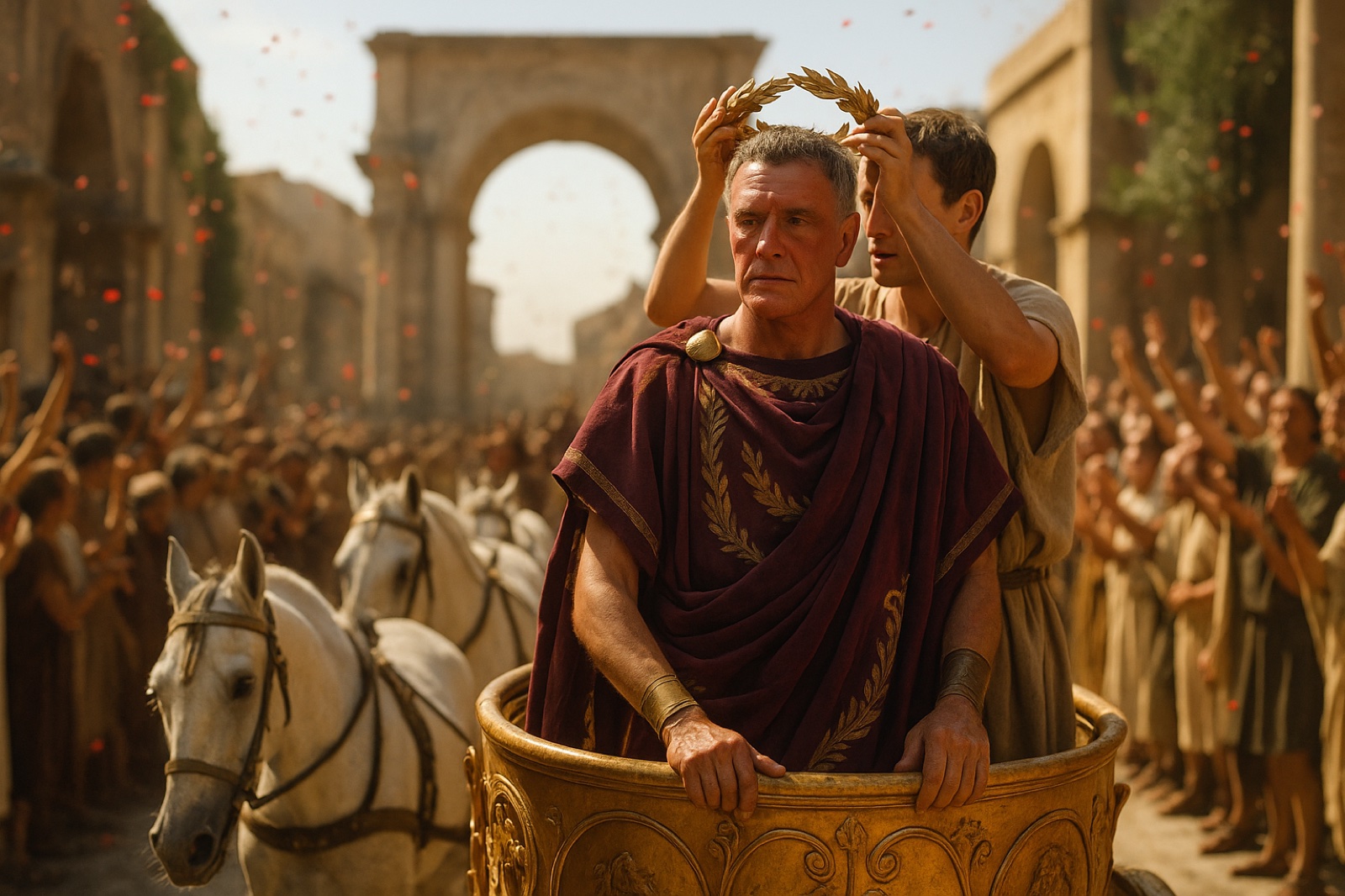
It goes like this. In ancient Rome, a general wins a great war. He rides through the city in a golden chariot. The crowd roars. And behind him stands a slave, whispering in his ear over and over: Memento mori. Remember you will die.
It is a great story. It is also not quite what the old sources say. And the real version is more interesting.
What Does Memento Mori Mean?
Word for word, memento means “remember,” and mori means “to die.” Put together: remember that you have to die.
That sounds gloomy. But the people who used the phrase did not mean it as a threat. They meant it as a wake-up call. You will not be here forever. So what are you doing with today?
That is the whole idea. Death is not the point. Life is. Death is just the thing that makes life urgent.
The Roman Slave Story: What the Sources Actually Say
Here is the surprise. The ancient accounts of that chariot ride do not use the words “memento mori” at all.
The best-known source is a writer named Tertullian, from Carthage in North Africa, writing around the year 197. In a long defence written to Roman officials, he describes the moment like this:
“Even when, amid the honours of a triumph, he sits on that lofty chariot, he is reminded that he is only human. A voice at his back keeps whispering in his ear, Look behind you; remember you are but a man.”
Notice what is missing. There is no “remember you will die.” The whisper is “remember you are a man.” Not a god. Just a person.
A couple of other Roman writers mention someone riding behind the general, holding a golden crown over his head. But the details do not line up neatly, and they were written long after the early triumphs they describe. Historian Mary Beard, who wrote a whole book on the Roman triumph, is careful to point out how patchy and scattered the evidence for the ceremony really is.
So is the story true? The honest answer is: partly. Something like a reminder in the chariot seems to have been part of the tradition at some point. But the neat version you see on posters, with a slave hissing “memento mori,” is a later polish on a thinner record.
The Detail Almost Nobody Mentions
Tertullian was a Christian. And he was not telling this story to help anyone be more productive.
He was making an argument. Christians in his day were being accused of disloyalty because they would not call the emperor a god. Tertullian’s reply was, in effect: even your own victory parade admits the emperor is only a man. You whisper it in his ear yourselves.
So the most-quoted source for this famous “Stoic” idea was a Christian using it to say that no ruler is divine. That is a very different job than the one the story does on a coffee mug today.
How the Stoics Used the Idea
The Stoics really did practise remembering death. They just did not need a slave in a chariot to do it.
Epictetus, a former slave who became a teacher, told his students something that still stops people cold. When you kiss your child goodnight, he said, quietly tell yourself: tomorrow you may die. Not to be cruel. To make you hold them a little tighter tonight.
The emperor Marcus Aurelius wrote private notes to himself that we now call the Meditations. In Gregory Hays’s well-known translation, one line reads: “You could leave life right now. Let that determine what you do and say and think.”
Today the idea is having a big comeback. The Daily Stoic brand, run by author Ryan Holiday, sells a “memento mori” coin people carry in their pocket. The goal is the same as it was for Marcus: stop wasting time on things that do not matter.
If you have ever run yourself ragged trying to get ahead, you can see why this lands. We looked at that pressure in what hustle culture really costs. Memento mori is, in a way, the opposite message: you do not have unlimited time, so stop spending it proving yourself.
Is Memento Mori Morbid?
It can be, if you stop halfway. “You will die” on its own is just a heavy fact.
But the people who practised it always finished the sentence. You will die, so call your mother. You will die, so forgive your brother. You will die, so stop worrying about what strangers think.
The poet John Donne lived this out. Sick with fever in 1623, he listened to funeral bells ringing next door and wrote some of the most famous lines in English about how every death touches us. You can read what Donne was going through when he wrote “No man is an island”. He did not come out of that bed gloomier. He came out of it closer to people.
That is the healthy version. Remembering death is meant to make you more alive, not less.
An Older Version of the Same Idea
Here is something worth sitting with. Long before Tertullian, long before Marcus Aurelius, there was an old Hebrew prayer-song that asked for this exact thing. It did not say “remember you will die.” It asked God to teach people how to count their days, so they could grow a wise heart.
That small shift matters. The Stoic version is something you grit your teeth and tell yourself. The older version is something you ask for, from someone who is holding the days in the first place. It turns remembering death from a lonely discipline into a conversation. And many people who have prayed it since have found that the one who counts our days is not counting them to frighten us.
How to Practise Memento Mori Without Money or Special Tools
You do not need a coin or a skull on your desk. Try one of these this week:
- The goodnight test. Before you sleep, ask: if today were my last, who would I wish I had spoken to? Message them tomorrow.
- Count in visits. Instead of years, think about how many more times you will see someone you love. It is often fewer than you think, and it makes each visit count.
- Drop one grudge. Pick one small thing you are holding against someone. Ask whether it would still matter at the end.
- Notice one ordinary good thing. A cup of tea. Rain on the roof. A child’s laugh. Say thank you for it, out loud if you like.
If you want a gentler cousin of this idea, the real meaning of ikigai is about the small daily things that make life worth living. Memento mori and ikigai are two sides of the same coin: life is short, and life is full.
Questions People Ask About Memento Mori
What is the literal meaning of memento mori?
Memento mori is Latin for “remember that you must die” or simply “remember death.” It is used as a reminder that life is short, so a person should live wisely and focus on what truly matters.
Did a slave really whisper “memento mori” to Roman generals?
The ancient sources do not record those exact words. The best-known source, the Christian writer Tertullian around the year 197, says a voice behind the general in his triumph whispered “look behind you; remember you are but a man.” Other Roman writers mention a person holding a crown over the general, but the evidence is patchy, and the popular “memento mori” version is a later retelling.
Is memento mori a Stoic idea?
Memento mori is closely linked with Stoic philosophy. Stoic teachers such as Epictetus and Marcus Aurelius urged people to remember death regularly so they would live well today. The Latin phrase itself, however, became popular later, and the practice of remembering death also runs through Jewish and Christian tradition.
Is memento mori depressing?
Memento mori is not meant to be depressing. It is meant to sharpen attention on life: to love people now, forgive sooner, and waste less time on things that do not matter. Most people who practise it describe feeling more grateful, not more gloomy.
How can I practise memento mori every day?
A simple memento mori practice is to ask each night, “If today were my last day, what would I wish I had done or said?” and then act on the answer the next day. Thinking about how many more times you will see someone you love, and letting go of small grudges, are other free ways to practise it.
Discussion Question
Do you think remembering death makes people live better, or does it just make them anxious? Tell us in the comments. We would love to hear what you think.
Share This
Post 1: Turns out the famous “memento mori” slave in the Roman chariot never says “memento mori” in the old sources. He says “remember you are a man.” Wild. https://bgodinspired.com/?p=117072
Post 2: Epictetus said to whisper “tomorrow you may die” while kissing your child goodnight. Sounds harsh until you realise it is really about holding them tighter tonight. What memento mori actually means: https://bgodinspired.com/?p=117072
Post 3: Memento mori isn’t meant to make you gloomy. You will die, so call your mum. You will die, so forgive your brother. Worth a read.