 0
0
 0
0
Perry Mason and the Unexpected Power of Truth
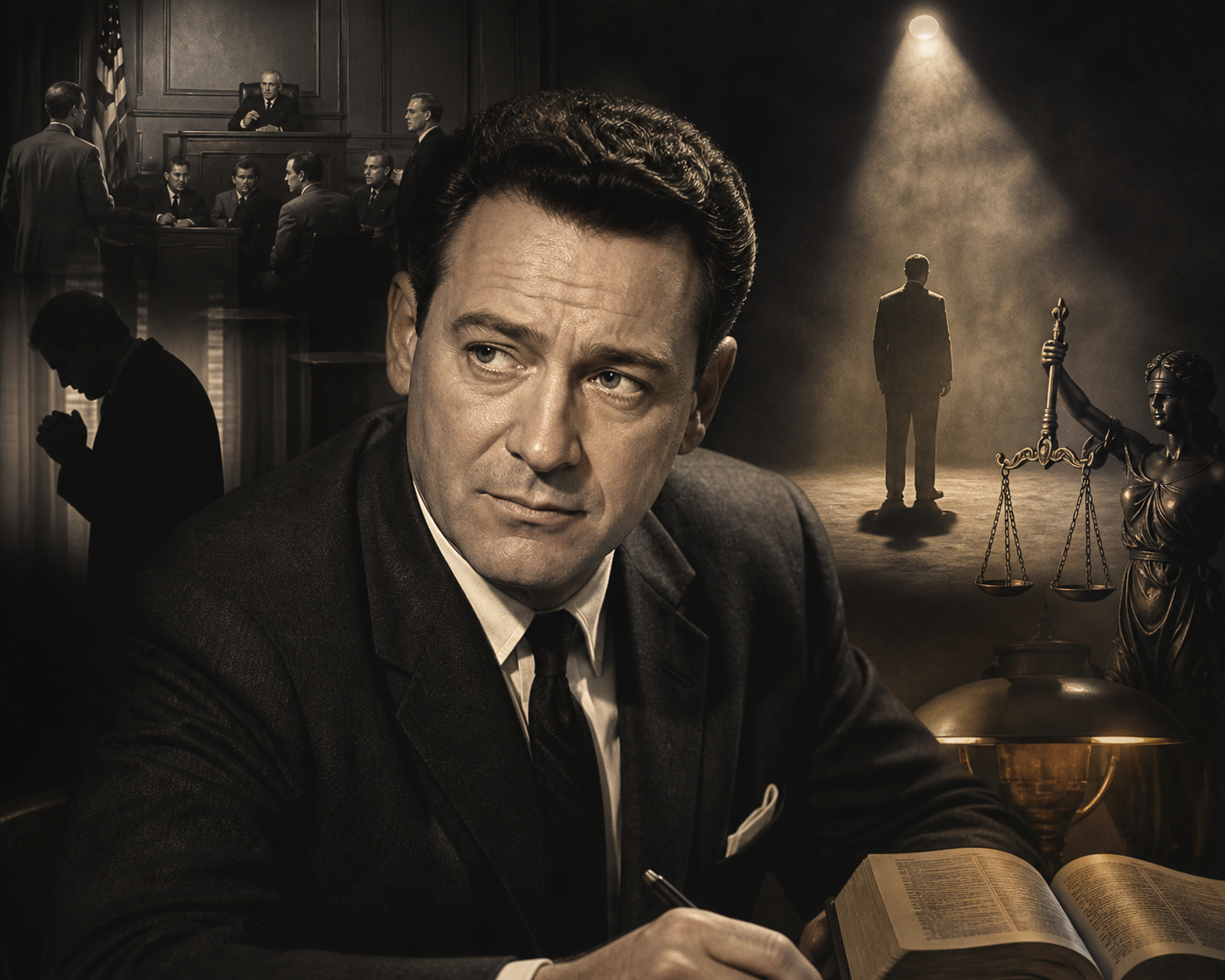
There’s a moment in the episode "The Case of the Treacherous Toupee," where Perry Mason, the ever-persistent defense attorney, is unraveling a series of deceptions in court. As the tension builds, Perry’s calm, piercing questions expose the truth that the witnesses, and even the audience, initially overlook. He doesn’t merely reveal who committed the crime; he unveils the layers of human nature that led to it — jealousy, greed, fear. Before Perry’s gentle yet firm inquiry, the façade crumbles, and the real story emerges.
Perry Mason’s character consistently champions the pursuit of truth. Each episode, every trial, isn’t just about vindicating his client but about unveiling hidden motives and confronting uncomfortable realities. This relentless quest for authenticity is deeply human — we all have moments when we hide behind pretenses, afraid of what others might see. Perry reminds us that truth, although daunting, is ultimately liberating. He dares us to believe in the good and the bad — to come face to face with our imperfections and still strive for integrity.
And here’s where this journey through a courtroom drama takes a turn into a biblical narrative. Perry’s courtroom mirrors something profound found tucked in the scriptures: “You will know the truth, and the truth will set you free” (John 8:32). This isn’t just a line about spiritual enlightenment; it’s an invitation to live authentically. Just as Perry disentangles lies to free the innocent, the Bible invites us to shed deceit and embrace a life of genuine liberty. The truth indeed brings freedom, not just in courtrooms but in our everyday grappling with morality and identity.
The bond between Perry Mason’s world and Scripture’s call to truth is uncanny. Both contain moments where revealing truth requires courage and results in liberation. Only when the characters in Perry Mason confront their secrets are they truly free. Similarly, the biblical truth calls us to face who we are — our flaws, our fears — and find freedom on the other side of authenticity. It’s less about the destination of "rightness" and more about the journey towards honesty, which both Perry and the Bible hold dear.
So next time you watch Perry Mason, remember this: Every unraveling mystery isn’t just a puzzle to solve; it’s an echo of a greater truth calling us to be real. To let the truth liberate us from the prisons of our own making — whether they be guilt, shame, or fear. As you navigate this world of courtroom intrigue, let it inspire you to embrace the messiness of truth in your life.
Discussion Question: In which Perry Mason episode did you see a character’s truth lead to unexpected freedom? How does this change your perspective on John 8:32? Let me know in the comments.
Social Share Post: Just realized how Perry Mason’s quest for truth mirrors the freedom in John 8:32. His courtroom isn’t just about justice but about uncovering genuine freedom. Mind blown! #PerryMasonTruth #BGodInspired [URL]
If positive Biblical wisdom matters to you, I’d love your support of the mission
Q&A about Perry Mason (1957-1966)
What can Perry Mason teach us about seeking justice as Christians?
Perry Mason’s dedication to truth and justice echoes the biblical call to "act justly, love mercy, and walk humbly with your God" (Micah 6:8). As believers, we should strive to uphold justice in all areas of life, guided by Jesus’ example of fairness and compassion.
Does Perry Mason show anything about integrity that aligns with biblical values?
Perry Mason embodies integrity, much like Jesus taught in Matthew 5:37, "Let your yes be yes, and your no, no." As Christians, we are called to be honest and reliable in our dealings, reflecting the consistency and truthfulness that Mason demonstrates in his cases.
How does Perry Mason emphasize the importance of wisdom, and what does the Bible say about it?
Perry Mason often uses wisdom and discernment to uncover the truth, paralleling James 1:5, which encourages us to seek wisdom from God, who gives generously. Just as Mason examines every detail, we are reminded to seek divine wisdom in navigating life’s complexities.
Is there a lesson in Perry Mason about defending the innocent that relates to Christian teachings?
Perry Mason’s relentless defense of the innocent mirrors the biblical principle of protecting the vulnerable, as Jesus emphasized in Matthew 25:40, acknowledging that serving others is akin to serving Him. Christians are called to advocate for those in need, upholding justice and compassion.