

The Greek word for vine, ampelos (G288), is the Septuagint’s word for Israel – so “I am the true vine” was a claim, not a gardening tip. Plus the two words in John 15:2 that sound almost identical.

 0
 0
The Aging Brain May Not Be Declining, Just Changing Jobs
A new framework says the aging brain may not be declining but changing jobs, trading sharp detail for meaning. What it claims, and what it cannot yet prove.
 0
0
Bleached Coral Recovery Happens in 7 Weeks – If They Touch
Bleached coral recovery took about seven weeks in a Stanford lab, but only for the fragments touching a healthy clone. Those held millimetres apart did badly.
 0
0
Prayer for the First Day at a New Job: God Goes In First
Joshua 1:9 gets printed on leaving cards. It was first spoken to a man taking over from someone irreplaceable — and six separate voices repeated it to him.
 0
0
How to Follow Jesus Without Being Religious: Called at Work
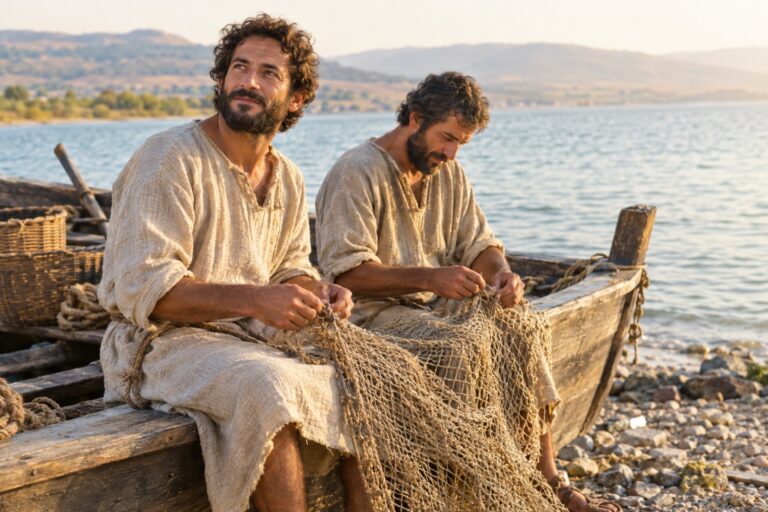
How to follow Jesus without being religious: every person Jesus called by name was at work or on a road – at a net, at a tax desk, never out of a temple.
 0
0
Unique Christian Gifts for a Baptism: Light, Then a Fight
Unique Christian gifts for a baptism that still work a year later: the word Hebrews uses for the newly baptized, three ideas, and what to write on the card.
 0
0
Why Does Venting Make Me Feel Worse Instead of Better?
Why does venting make me feel worse? Because retelling a problem is rehearsal, not release. Here is what the research found, and five things to do instead.
 0
0
Who Really Said “Well-Behaved Women Seldom Make History”?

“Well-behaved women seldom make history” is not Marilyn Monroe. Laurel Thatcher Ulrich wrote it in 1976 – and the half of her sentence everyone drops flips it.
 0
0
True Detective Season 1 Ending Explained: The Light Is Winning
True Detective season 1 ending explained: the pessimist who said time is a flat circle ends up saying the light’s winning. The clue that closes the case is a coat of paint.
 0
0
Bible Verses About Money: A Man Asked Not to Be Rich
Bible verses about money rarely name a number. One man asked God for neither poverty nor riches, and the reason he gave sits in the very next verse of Proverbs.