 0
0
 0
0
Moana comes back to theaters this month — this time in live action. Disney’s remake joins a familiar lineup: Cinderella, Beauty and the Beast, Aladdin, The Lion King, The Little Mermaid. The studio keeps returning to its own animated back catalog and asking what these stories look like with real light, real water, real faces. Moana was always going to be next. She was, by most measures, too big a story to skip.
Before anyone weighs in on the casting or the visual effects or whether live action even improves on the original, it’s worth going back to what actually made the 2016 version land the way it did — because the reason has almost nothing to do with the animation.
What Made the Original Moana Different
When Disney built the first Moana, it didn’t start in a writers’ room and stay there. The filmmakers spent years working with a group of Pacific Island anthropologists, historians, and cultural practitioners — often called the Oceanic Story Trust — to ground the film in real Polynesian navigation, mythology, and seafaring history instead of inventing a generic island fantasy.
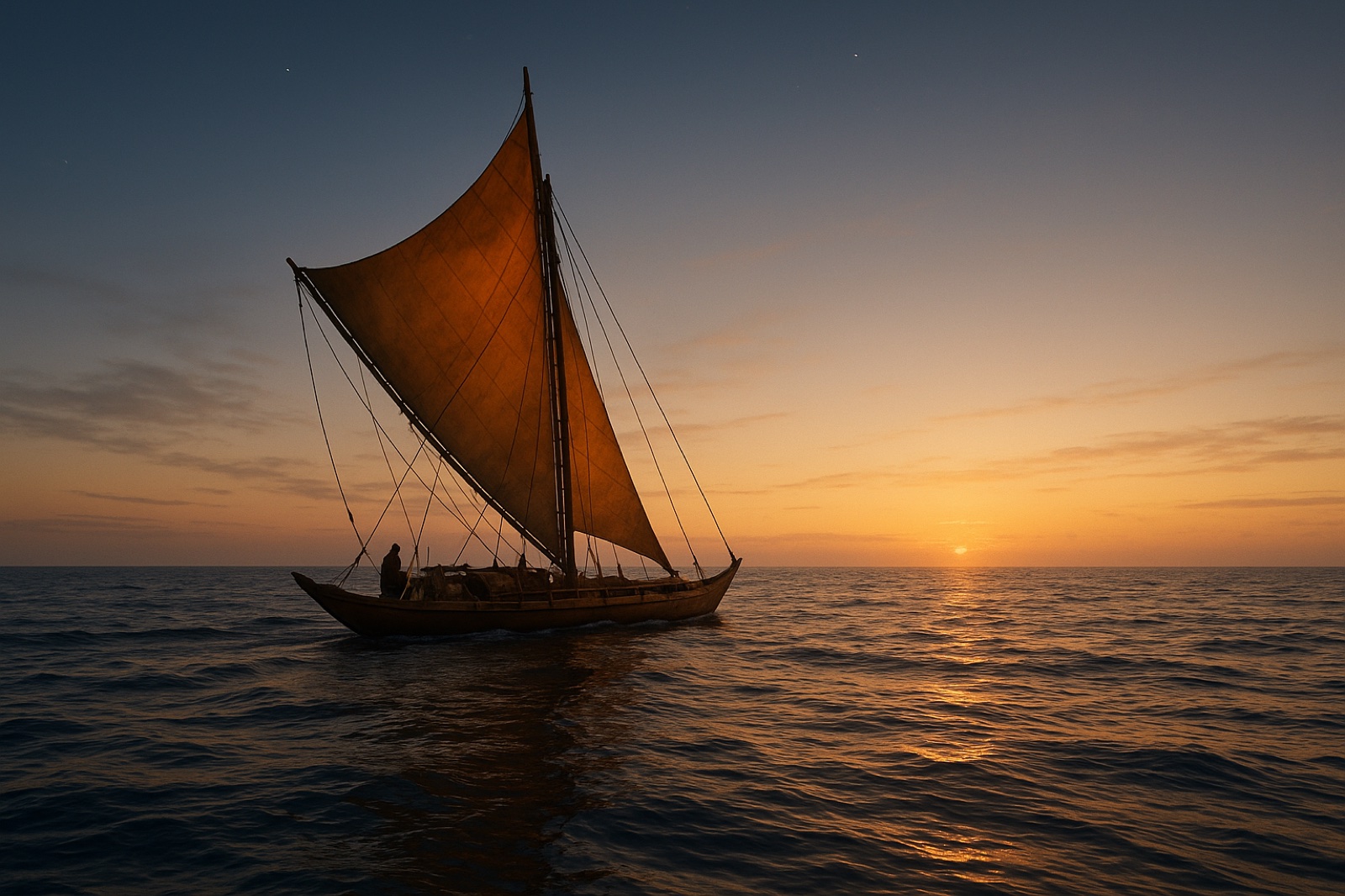
That’s where the wayfinding comes from. Long before GPS, Polynesian voyagers crossed thousands of miles of open ocean using nothing but the stars, the shape of the swells, the color of the water, and the flight paths of birds. No compass. No map. Just an inherited, disciplined attention to signs everyone else would miss. It’s one of the most remarkable navigation traditions in human history, and it’s the real-world backbone under Moana’s fictional journey.
Even her name carries it. “Moana” means “ocean” or “sea” in several Polynesian languages — Hawaiian and Māori among them. She isn’t named after a trait she develops. She’s named after the thing she already belongs to.
The Detail Most People Skip
Here’s the part of the story that tends to get lost under the songs and the animation: Moana doesn’t choose the ocean first. As an infant, long before she can walk or talk or understand what any of it means, the ocean parts on its own, reaches toward her, and hands her a shell. She doesn’t ask for that moment. She doesn’t earn it. It happens to her before she has any say in the matter — and everything that follows in her story is really just her growing into something that was already true about her.
That’s a different shape than the usual hero’s journey, where a character works their way up to being chosen. Moana is chosen at the very start, before she’s proven anything, and she spends the rest of the film catching up to what the ocean already decided.
It’s also, if you’re honest about it, a shape a lot of people recognize in their own lives — the sense that certain paths didn’t feel like something they picked so much as something that had already picked them, long before they had the confidence or the readiness to walk toward it. Anyone who’s felt real fear of the unknown before finally stepping into it knows the sequence: the calling usually shows up first, and the courage catches up later, not the other way around.
An Old Pattern, Not a New One
Strip away the animation studio and the box office and the marketing, and there’s a thread running under this that has nothing to do with Disney at all. Long before anyone told stories about an ocean choosing a girl, older stories described people being singled out the exact same way — not because they applied for the role, not because they proved themselves worthy in advance, but because something larger noticed them before they noticed it back. Farmers pulled from their fields. Fishermen pulled from their nets. Ordinary people who weren’t looking for anything, chosen anyway.
Call it a calling. Call it grace. Call it something bigger reaching down before a person ever reaches up. The pattern shows up far outside a movie theater, and it always shows up in the same order — the noticing comes first, the choosing comes after. That’s not a coincidence Disney invented in 2016. It’s a pattern old enough that it kept resurfacing across cultures long before anyone thought to put it on a screen. It’s the same order found in that quiet, unsteady feeling of standing at the edge of something unseen and being asked to move toward it anyway, trusting a voice you didn’t summon.
Why the Story Keeps Getting Retold
Maybe that’s the real reason so many people fell for Moana a decade ago, and maybe it’s the reason a new generation will fall for her again this month. Not the animation. Not the songs — though there will still be songs. It’s the order of things. She didn’t set out to prove she deserved the ocean’s attention. The ocean already had it, before she ever knew to look for it.
If a story like that keeps getting retold, in every format film technology can throw at it, maybe it isn’t really a story about the ocean. Maybe it’s a story about being chosen first — and what changes in a person once they find out they already were.
Discussion Question
Do you think people are usually called toward the thing they end up doing — or do they choose it first, and the sense of being “called” gets added afterward, once it’s already working out? Tell us what you think in the comments.
Share This
- Moana didn’t choose the ocean. The ocean chose her before she could even walk. Rewatching ahead of the live-action remake and honestly, that detail hits different as an adult.
- The most interesting thing about Moana was never the songs. It’s that she’s picked before she proves anything — and spends the whole movie catching up to it.
- Real Polynesian wayfinding — crossing open ocean by stars and swells, no instruments — is the actual history under Moana’s story, and it’s wilder than the movie has room for.
Questions People Are Asking
When does Disney’s live-action Moana come out?
Disney’s live-action remake of Moana is arriving in theaters this month, continuing the studio’s pattern of turning its major animated hits — including Cinderella, Beauty and the Beast, Aladdin, and The Lion King — into live-action films.
What does the name “Moana” mean?
“Moana” means “ocean” or “sea” in several Polynesian languages, including Hawaiian and Māori — a detail that mirrors the character’s own story, since she’s connected to the ocean from the very start.
Is Moana based on real Polynesian culture?
Yes. The original 2016 animated film consulted a group of Pacific Island anthropologists, historians, and cultural practitioners, often referred to as the Oceanic Story Trust, to help ground the story, the navigation traditions, and the mythology in real Polynesian culture rather than an invented fantasy setting.
What is Pacific Island wayfinding?
Wayfinding is the traditional navigation method used by Polynesian voyagers to cross thousands of miles of open ocean without modern instruments — reading stars, wave patterns, currents, and wind to find islands that couldn’t yet be seen. It’s the real-world tradition behind Moana’s fictional ocean journey.
Why does the ocean choose Moana instead of the other way around?
In the original film, the ocean parts and hands baby Moana a shell before she’s old enough to understand what it means, establishing that she’s chosen before she ever makes a choice herself. That single detail sets up her entire arc: she spends the rest of the story growing into a calling she never asked for.