

Who said “a picture is worth a thousand words”? Not Confucius. The oldest known use is an American editor in 1911. Ad men added the Chinese label later.

 0
0
 0
0
“Hell Is Other People”: What Sartre Said He Really Meant
“Hell is other people” is said by a coward in hell, in a play from occupied Paris. In 1965 Sartre recorded that it had always been misunderstood. Here is what he meant.
 0
0
0
0
Is “To Err Is Human, to Forgive Divine” in the Bible?
No, “To err is human, to forgive divine” is not in the Bible. Alexander Pope wrote it in a 1711 poem about critics. Here is what scripture actually says about forgiveness.
 0
0
0
0
“May You Live in Interesting Times”: Is It Really a Chinese Curse?
“May you live in interesting times” is called an ancient Chinese curse, but no Chinese source has ever been found. The oldest known trace is a 1936 British speech.
 0
0
0
0
Carpe Diem Meaning: Horace Said Pluck, Not Seize
Carpe diem meaning: not quite “seize the day.” Horace’s Latin verb means to pluck, like ripe fruit, and the poem was written to calm a worrier. Here is why.
 0
0
0
0
“Not All Those Who Wander Are Lost”: The Hidden King
“Not all those who wander are lost” was written about a hidden king, not a drifter. Where Tolkien put the line, who wrote it in the story, and what it really promises.
 0
0
0
0
Is “God Don’t Like Ugly” in the Bible? What Proverbs 6 Says
Is God don’t like ugly in the Bible? No. But Proverbs 6:16-19 lists seven things God hates, and not one is about looks. Here is why the saying cuts both ways.
 0
0
0
0
Is “Man Proposes, God Disposes” in the Bible? Where It Really Comes From
No, “man proposes, God disposes” is not in the Bible. It comes from The Imitation of Christ (c. 1418-1427) and is older still. The closest verse, Proverbs 16:9, says something gentler.
 0
0
0
0
Amor Fati Meaning: Love Your Fate or Trust Someone in It?
Amor fati meaning: ‘love your fate.’ It’s Nietzsche’s phrase, not the Stoics’. What his formula for greatness really asks of you, and a gentler way to say yes.
 0
0
0
0
Memento Mori Meaning: The Famous Roman Whisper Isn’t Quite What You Heard
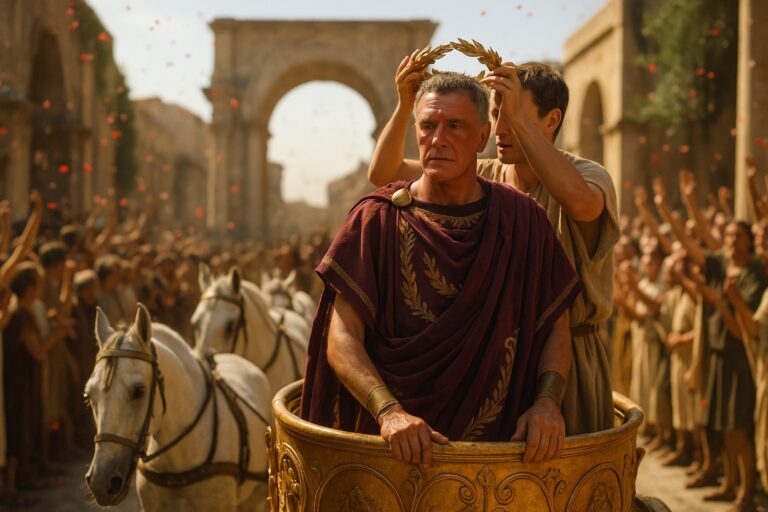
Memento mori meaning: ‘remember you must die.’ The famous Roman slave story is shakier than you think, and its best source was written to say no ruler is a god.