

Is it a sin to kill bugs? The Bible lets you eat locusts, yet Jesus said not one sparrow is forgotten before God. The real question was never about the bug.

 0
0
 0
0
Antarctica’s Record Ice Gain Came From a Warm Ocean Far Away
Antarctica ice gain explained: a record 695 billion tonnes in 22 months, driven by a warm ocean thousands of km away. What the study says, and what it doesn’t.
 0
0
0
0
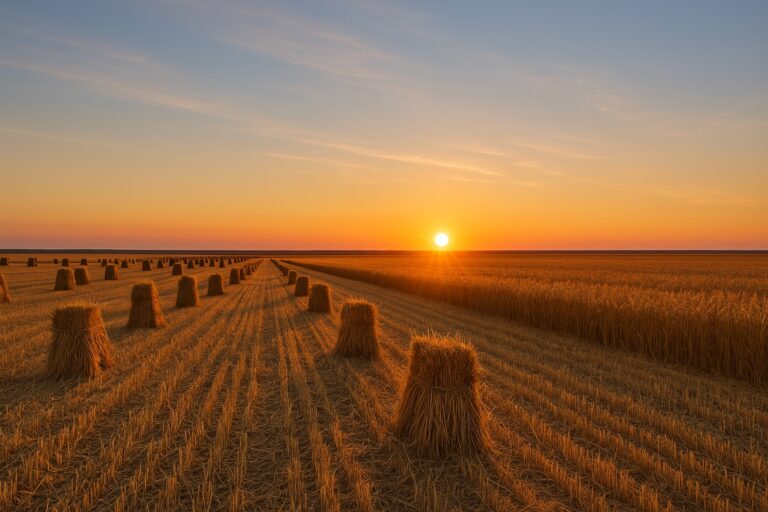
Fall Equinox Biblical Meaning: A Promise Nobody Earned
Fall equinox biblical meaning: after the Flood, Genesis 8:22 promised seedtime and harvest, day and night, to everyone. The reason it gives is surprising.
 0
0
0
0
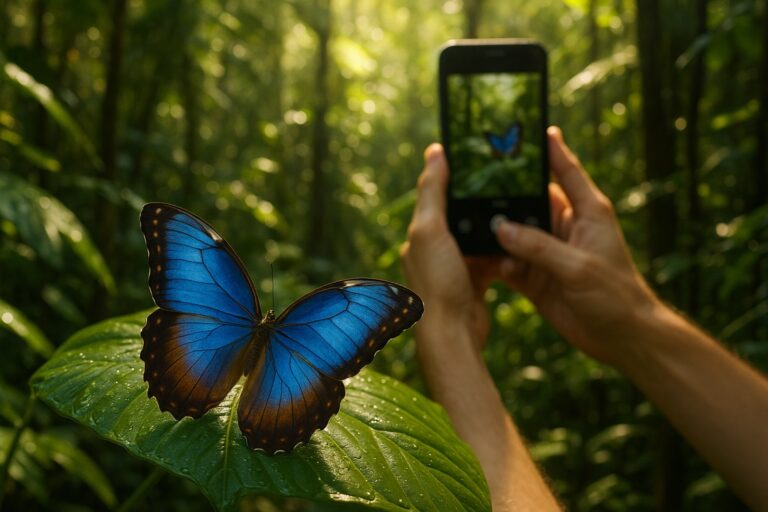
80% of Insect Species Live in the Tropics. “Parachute Science” Is Why We Still Don’t Know Them — and in Bangladesh, the Records Were Already on Facebook.
Parachute science leaves tropical insects unstudied by the people living among them. In Bangladesh, nearly every missing butterfly record was on Facebook.
 0
0
0
0
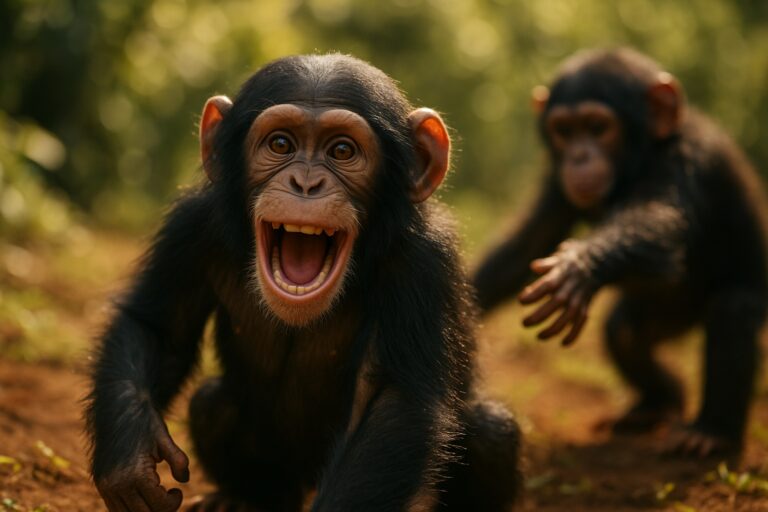
Chimpanzee Accents Show Up in Laughter First, Not Crying
Chimpanzee accents are real: 11,225 calls from young chimps in Zambia and Tanzania. But the accent reaches their laughter long before it reaches a cry.
 0
0
0
0
The Plastic-Eating Enzyme That Also Destroys Penicillin
A plastic-eating enzyme found in forest soil also destroys penicillin. The lab numbers say it is far better at the second job than the first. Here is why.
 0
0
0
0
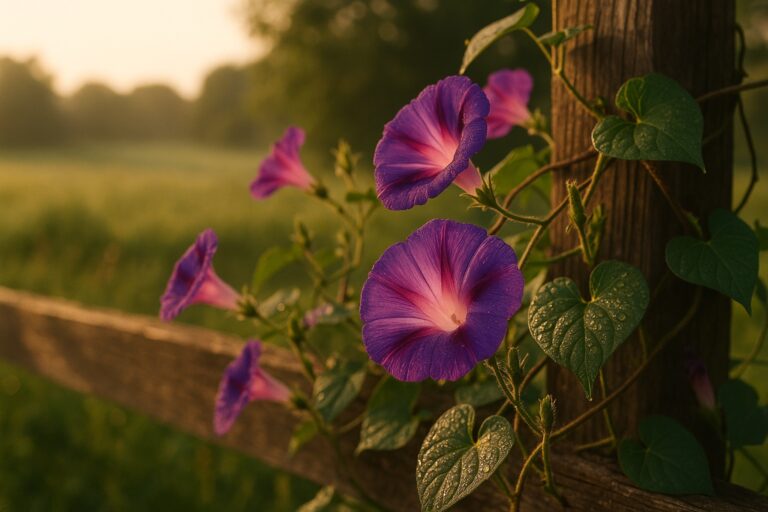
Morning Glories, Climate Change, and a 96% Adaptation Drop
Morning glories and climate change: a nine-year study found their rate of adaptation fell 96 percent. The reason is not depletion — it is something stranger.
 0
0
0
0
Devil Flower: The Black Bloom That Lives Underground in Thailand
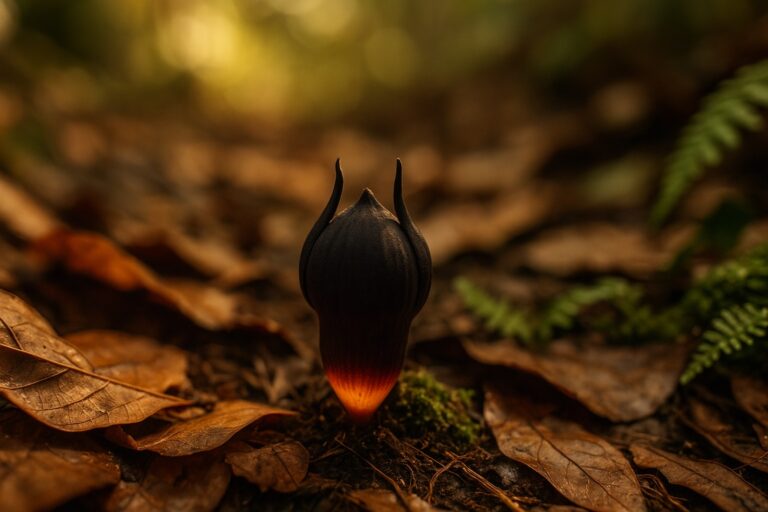
Scientists just named the devil flower, a black bloom that lives almost entirely underground in Thailand and makes no food of its own. Fewer than 50 exist.
 0
0
0
0
New Frog Species in Ecuador Was Filed Under the Wrong Name
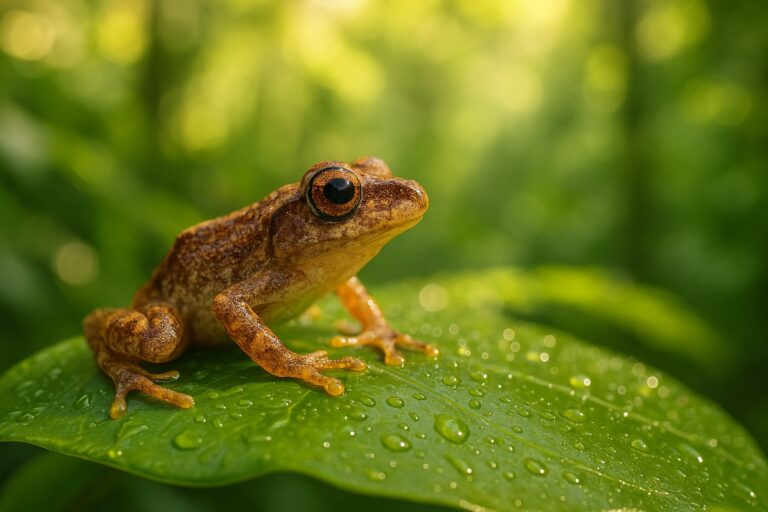
A new frog species in Ecuador is loud, common and everywhere, yet it carried a name belonging to a different frog. A jar in London finally broke the mix-up.
 0
0
0
0
The Peat Fires Under Indonesia Won’t Stop Until It Rains
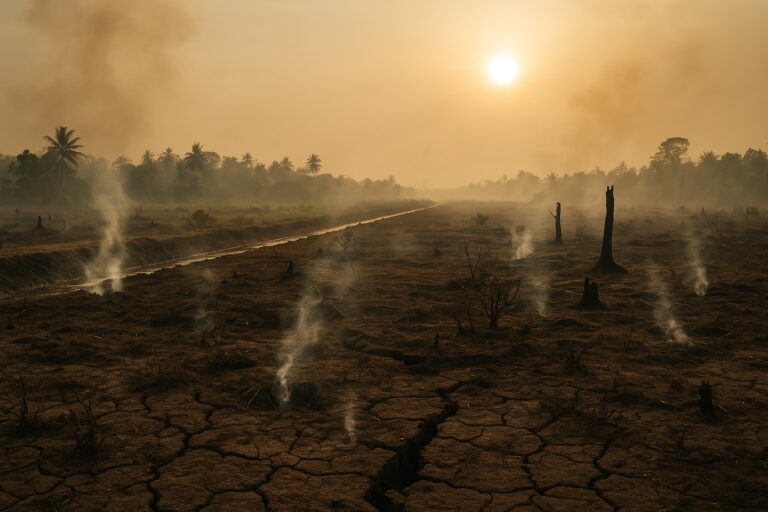
Indonesia’s peat fires burn underground for months, and satellites can barely see them. The reason they can burn at all was decided almost thirty years ago.