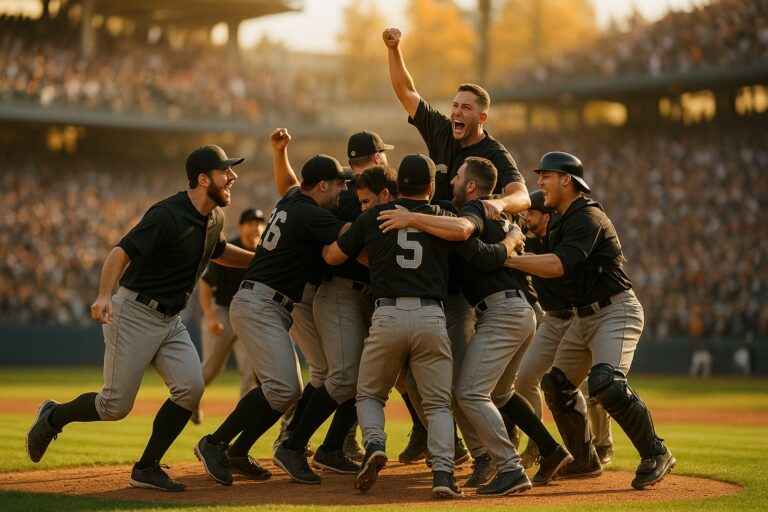

The White Sox turnaround: 121 losses in 2024, a playoff series win in 2026. It wasn’t a miracle streak, and that’s exactly why it matters for your lost years.
 0
 0
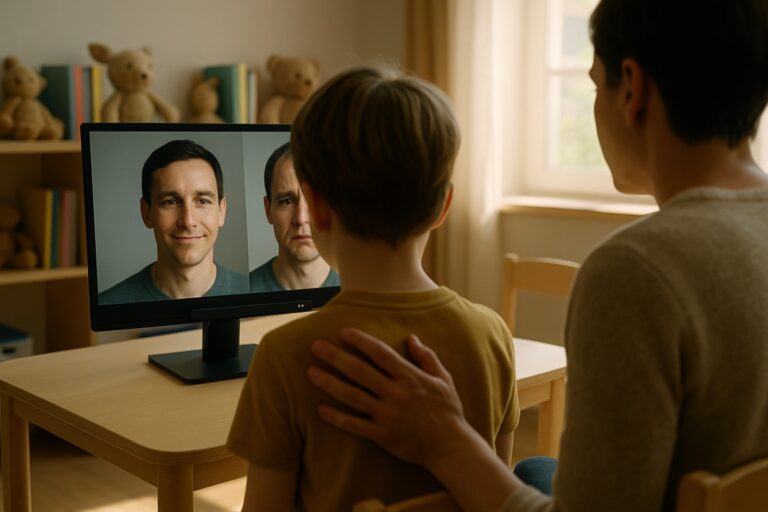
Depression in Children: Why Some Kids Get Stuck on Sad Faces
Depression in children can change what a child looks at. A two-year eye-tracking study of 242 kids found two different paths, and why the gaze matters.
 0
0
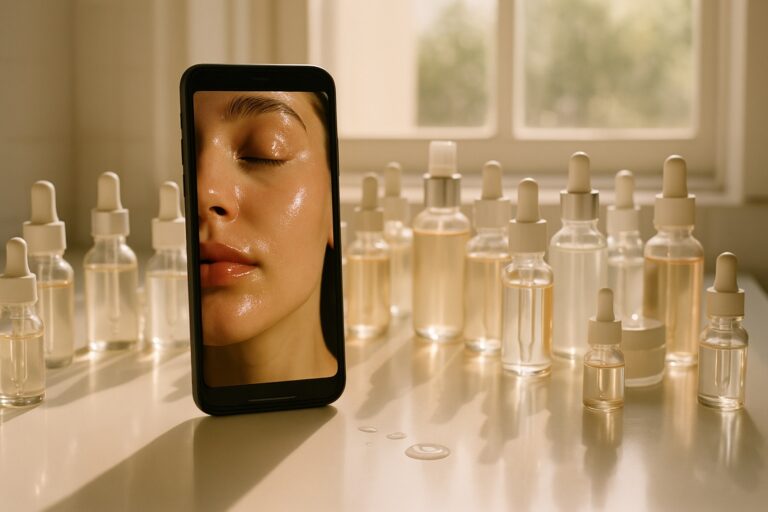
Glass Skin on TikTok: Almost 95% of Viral Videos Made a Misleading Claim
Glass skin videos on TikTok: dermatologists found almost 95% made a misleading claim, and none said to see a doctor. What they found and what skin really needs.
 0
0
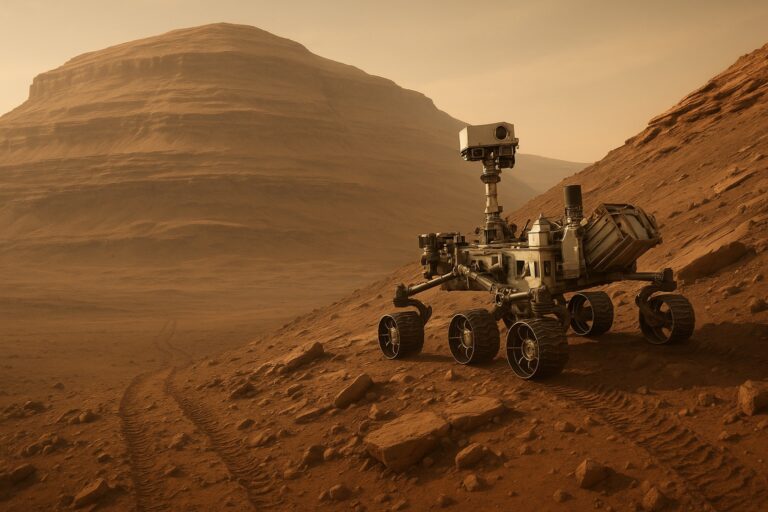
NASA’s Curiosity Rover Hits 5,000 Days on Mars – and It’s Still Climbing
The Curiosity rover was sent to Mars for about two years. It just passed 5,000 Martian days on worn wheels, still climbing. What those slow days add up to.
 0
0
Worrying About Money at Work: 85% Do, 3.5 Hours a Week
Worrying about money at work is nearly universal: a 2026 survey found 85% of workers do it, about 3.5 hours a week. What that number means, and what helps.
 0
0
Enceladus Ice Grains: Why One Grain Isn’t the Whole Ocean
Enceladus ice grains puzzled scientists for years. A new study says ocean droplets freeze slowly, sort their salts, then shatter. No life has been found.
 0
0
Coffee and Stress: Decaf Lowered It Too, a Study Found
Coffee and stress: in a small blinded study, decaf eased stress and low mood just like regular coffee. Here is what was found, and the limits of the finding.
 0
0
One CRISPR Dose Cut Bad Cholesterol in Half for a Year
A single CRISPR cholesterol treatment kept bad cholesterol about 50% lower a full year later. What the 15-person trial found, and what it cannot tell us yet.
 0
0
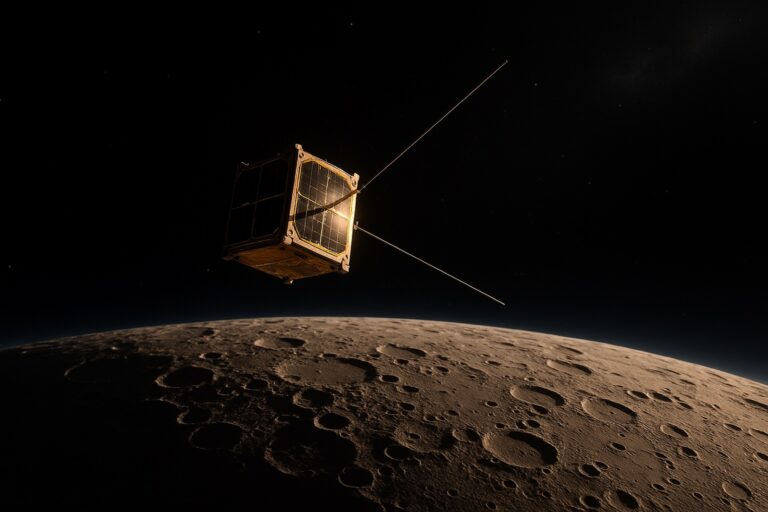
The Cosmic Dark Ages: A Suitcase-Sized Satellite Will Listen Behind the Moon for the Universe Before the First Star
The cosmic dark ages came before the first star. A suitcase-sized satellite called CosmoCube plans to listen for them from behind the Moon. Here is why.
 0
0
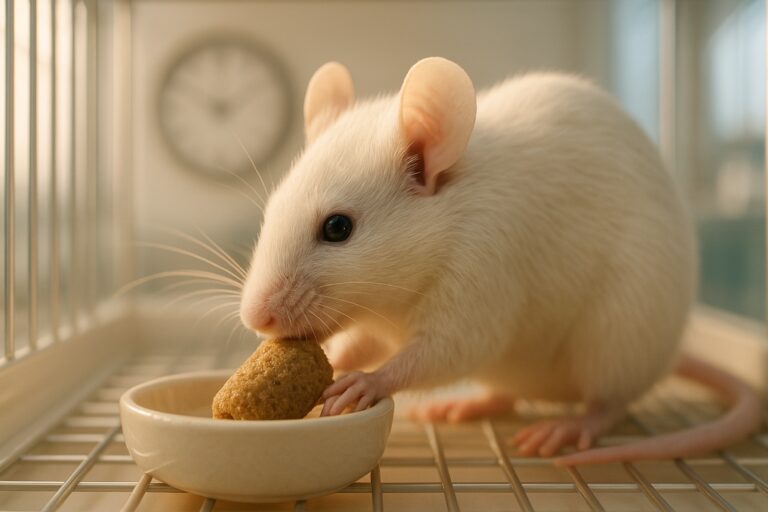
Body Clock and Stroke Recovery: In Mice, the Timing of Meals Helped the Brain Heal
Body clock and stroke recovery: mice that ate only in waking hours, from 3 days after a stroke, healed better. Eating in sleep hours did not help. Here is why.