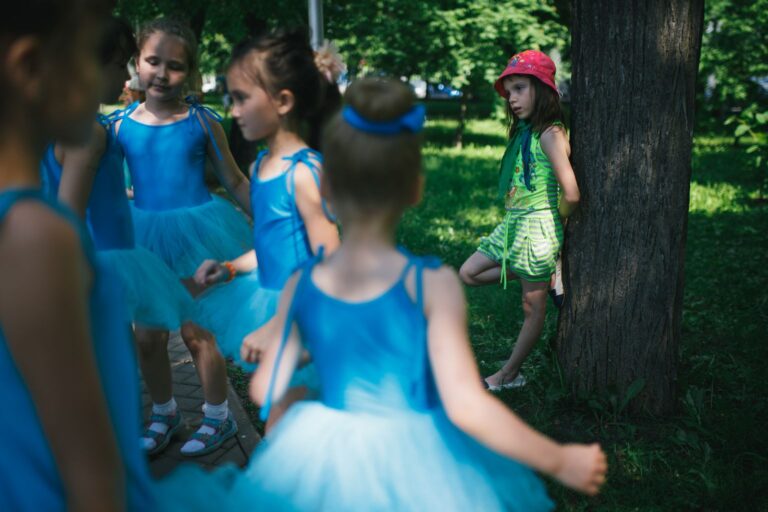

Do kids prefer bigger groups? A new study found boys as young as 3 picked the bigger side while babies showed no preference. What it means, and what it doesn’t.
 0
0
 0
0
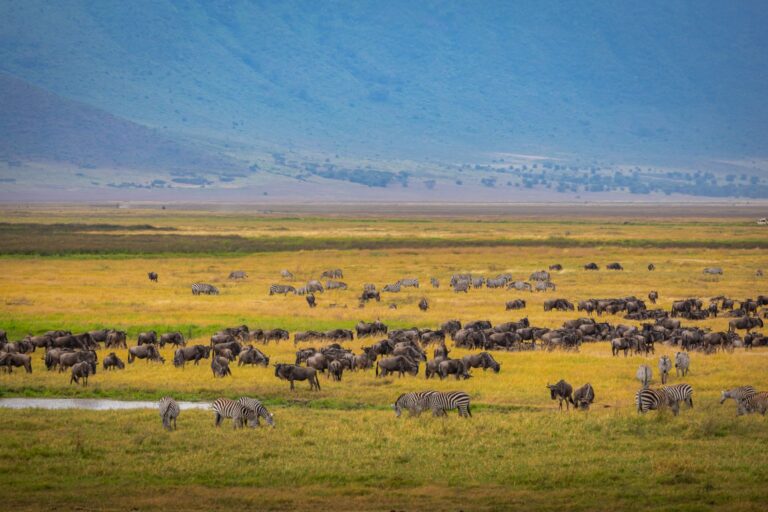
Living Planet Report 2026: What the 73% Really Means
The Living Planet Report 2026 says wildlife fell 73% since 1970. What that number really means, what it leaves out, and why it is not the whole story.
 0
0
0
0
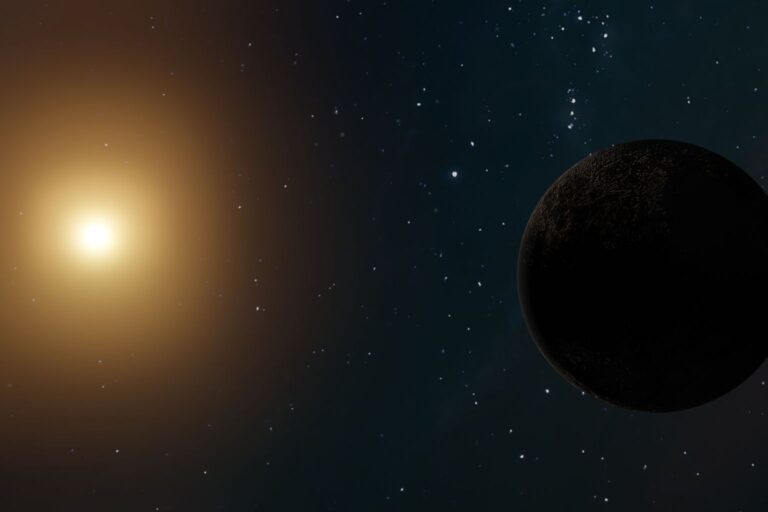
Hubble May Have Found a Planet Born From a Dead Star
A planet born from a dead star? Hubble saw the clue in 1999: niobium, never before seen in a white dwarf. Here is what astronomers found, and why it matters.
 0
0
0
0
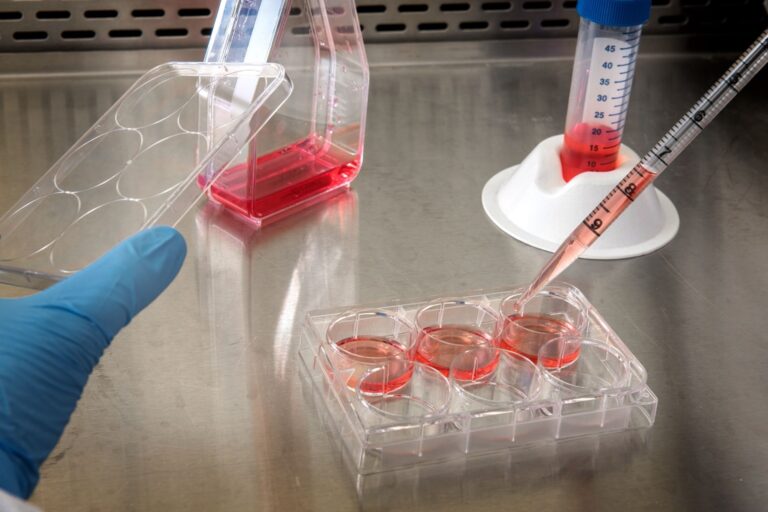
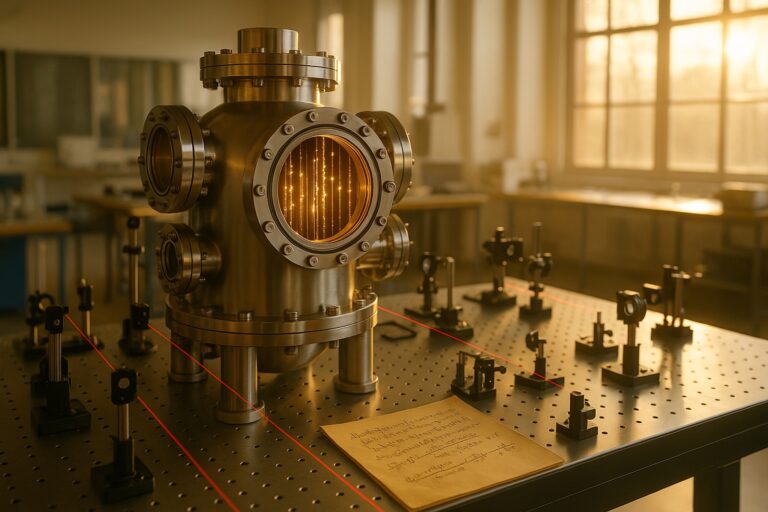
Scientists Turned an 80-Year-Old’s Blood Into Young Brain Cells
Scientists turned old blood cells into young brain cells from an 80-year-old donor. Molecular age under 20. What the Bonn study found, and its real limits.
 0
0
0
0
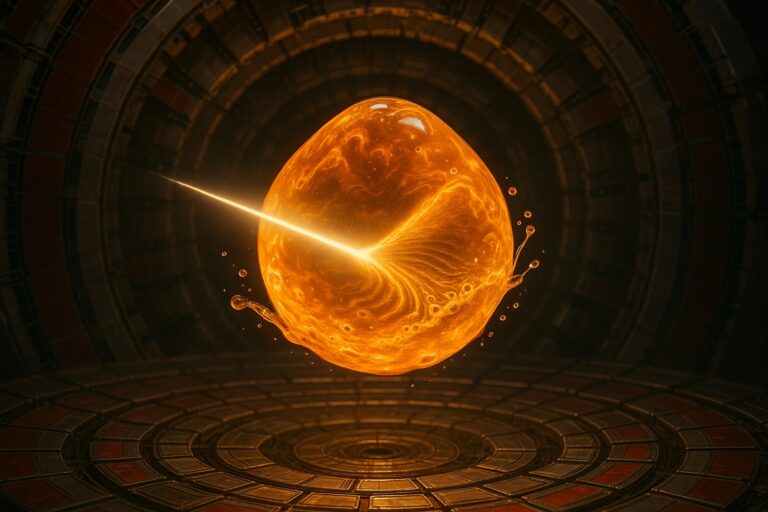
Bethe Strings: A 1931 Prediction Physicists Can Now Build
Bethe strings were predicted in 1931 and first glimpsed in a magnet in 2018. Now physicists have built them from atoms. What was found, and why it took so long.
 0
0
0
0
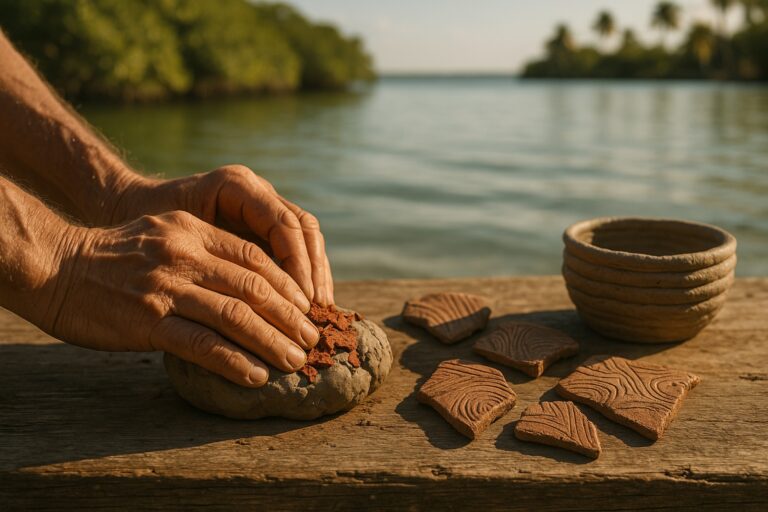
Quark-Gluon Plasma Behaves Like a Liquid. One Quark’s Wake Shows It.
Quark-gluon plasma, the matter that filled the newborn universe, flows like a liquid. One quark’s wake showed it. What was found, and what is still unknown.
 0
0
0
0
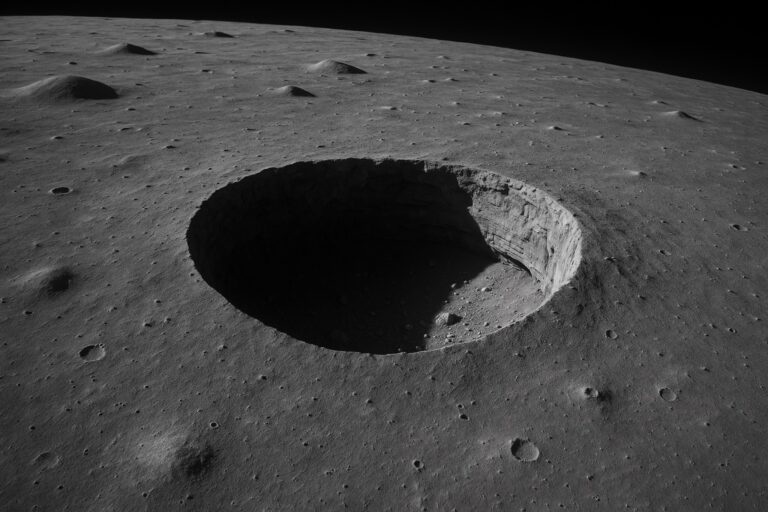
Tampa Bay Pottery: Migrants Mixed Old Pots Into New Ones
Tampa Bay pottery made about a thousand years ago hides crushed bits of older pots from far to the north. Here is how archaeologists read migration in the clay.
 0
0
0
0
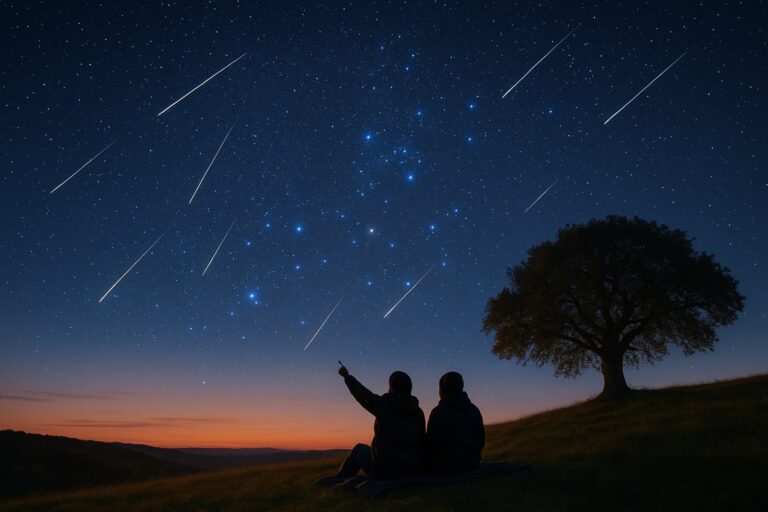
The Moon Cave That Might Be Hiding Under This Hole
NASA just picked a mission to find out if a hole on the Moon opens into a moon cave. What the radar already saw in 2017, and why rock beats anything we build.
 0
0
0
0
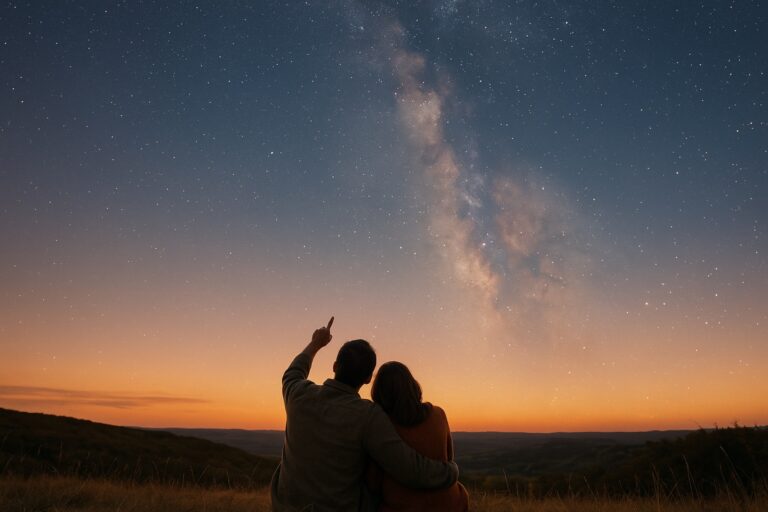
Orionid Meteor Shower 2026: Every Streak Is a Piece of Halley’s Comet
The Orionid meteor shower peaks around 21-22 October 2026. Every streak is dust from Halley’s Comet, which most of us will see once in our lives, if ever.
 0
0
0
0
Shared Awe: Couples Who Feel Wonder Together Are Happier
Shared awe may be good for love: couples who feel wonder together report happier relationships. The surprising twist about awe alone, and free ways to share it.