 0
0
 0
0
Pentagon Dismantles Civilian Harm Program Amid Concerns
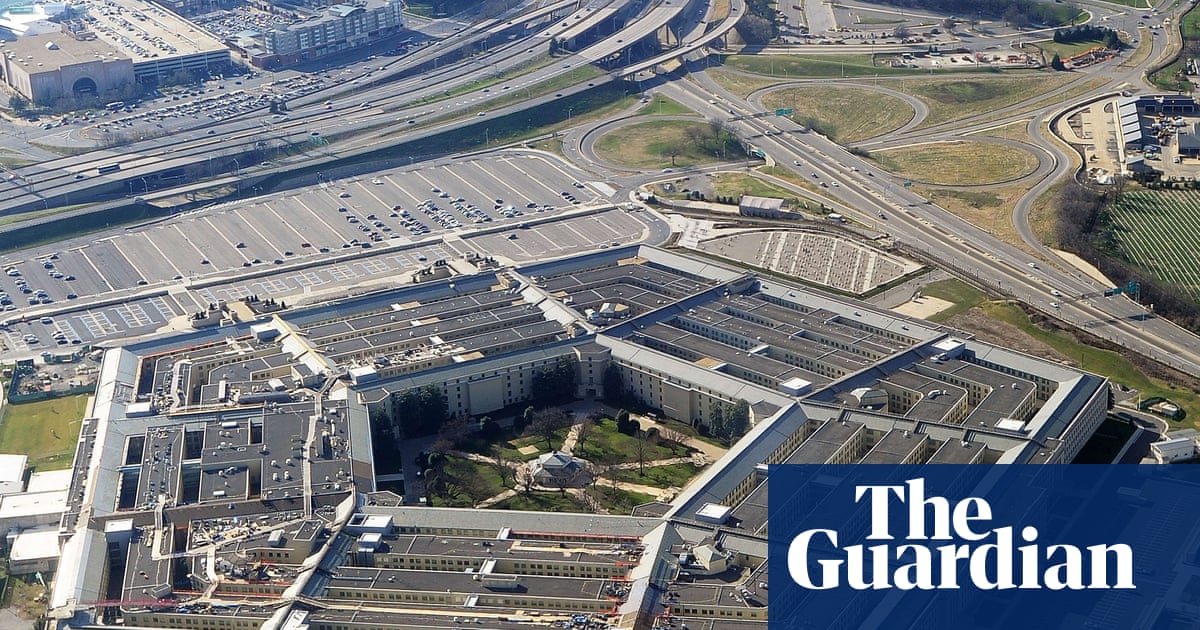
In a troubling turn of events, the Pentagon has reportedly dismantled a crucial program designed to prevent civilian deaths in military operations, a requirement mandated by federal law. According to a recent internal report by the Department’s inspector general, the U.S. military lacks the necessary personnel, tools, and infrastructure to uphold its civilian casualty policies.
The report highlights that funding has been cut for essential programs, including a data management platform vital for monitoring civilian harm. Committee meetings have been halted, and many positions dedicated to civilian protection have been eliminated or reassigned, creating fears of non-compliance with legal obligations aimed at protecting innocent lives during armed conflict.
Concerns about Accountability
Former President Donald Trump’s administration has faced criticism for significant reductions in the Pentagon’s Civilian Harm Mitigation and Response (CHMR) program. Designed to limit civilian casualties in combat zones, the program was initiated in January 2022 by then-Defense Secretary Lloyd Austin, following years of devastating military campaigns in countries like Yemen, Iraq, and Afghanistan. Notably, civilian monitoring group Airwars estimates that U.S. airstrikes have resulted in over 22,000 civilian deaths since the 9/11 attacks.
Under Secretary of War Pete Hegseth has come under scrutiny for comments suggesting that limiting civilian casualties has not been a priority. Following a deadly strike in Iran that resulted in casualties, including many children, questions arise about the moral implications of these actions. It’s a significant concern when leadership appears to sidestep accountability for civilian lives, as the principles of compassion and justice are fundamental to any ethical framework.
Biblical Perspectives on Accountability
The Bible teaches us the value of every individual and emphasizes the importance of protecting the vulnerable. As Jesus instructed in Matthew 25:40, “Whatever you did for one of the least of these brothers and sisters of mine, you did for me.” This view encourages a commitment to safeguarding human dignity, even in times of war.
Navigating a Complex Landscape
As tensions rise globally, the inspector general’s report paints a grim picture, indicating that only a handful of personnel remains committed to the CHMR program. These individuals are reportedly unable to fulfill their roles effectively, raising alarms about future military operations and their potential for harm to innocent lives.
In light of these developments, a combat veteran noted a stark shift in the military’s approach since Hegseth assumed office. There have been allegations of forced resignations and a systematic dismantling of efforts designed to minimize civilian casualties. The report reveals that significant decisions were made rapidly, without adequate oversight or consideration for existing laws.
An Urgent Call for Reflection
As the Pentagon is required to comply with federal statutes designed to protect civilian lives, the current situation prompts a critical reflection on how military power is exercised. In a time where the sanctity of life should reign supreme, addressing these dynamics becomes paramount for both moral and legal reasons.
The inspector general has given the Pentagon until June 12 to outline a plan ensuring compliance with federal law, a moment that may redefine the responsibility held by military leadership. As citizens and followers of positive principles, we must hold our leaders to the highest standards, advocating for policies that align with compassion, accountability, and justice.
In embracing the lessons of integrity and respect for human life, let us remember that every action we take or support has the power to impact lives. We are called not only to act justly but to extend mercy and humanity, reflecting the love and concern that Jesus emphasized. As we ponder this situation, let us commit to fostering a world where compassion guides our decisions, promoting peace and understanding in every context.
Encouraging Takeaway
In navigating the complexities of power and responsibility, we are reminded of our shared humanity and the importance of standing up for those who cannot stand for themselves. As we seek to align our actions with principles that uplift and protect, let us strive to be voices of integrity and compassion in every sphere of life.
If you want to want to know more about this topic, check out BGodInspired.com or check out specific products/content we’ve created to answer the question at BGodInspired Solutions
If positive Biblical wisdom matters to you, I’d love your support of the mission
Q&A about
Why did the Pentagon stop the program to prevent civilian deaths?
The decision to halt this program raises serious ethical questions, especially for believers who value every life as sacred. The Bible teaches us to love our neighbors and protect the vulnerable, reflecting Jesus’ command in Matthew 22:39 to “love your neighbor as yourself.” When programs aimed at safeguarding civilian lives are sidelined, it can lead to significant moral implications that contradict these teachings.
How should Christians respond to military actions that result in civilian casualties?
As Christians, our response should be rooted in compassion and advocacy for peace. We can find guidance in Romans 12:18, which urges us to live peaceably with all. This encourages us not only to pray for peace but also to engage in dialogue and advocate for policies that protect innocent lives from being caught in conflict.
Does the Bible address the responsibility of governments in protecting civilians?
Yes, the Bible highlights the responsibility of leaders to protect those they govern. Romans 13:4 describes the governing authority as “God’s servant, an agent of wrath to bring punishment on the wrongdoer.” This principle suggests that it is imperative for military actions to consider the impact on innocent lives, aligning with the biblical call to justice and mercy.
How can we pray for an ethical military approach that respects human life?
We can lift our voices in prayer, asking God for wisdom and guidance for our leaders to act justly and prioritize the sanctity of life. In James 1:5, we are reminded that if we lack wisdom, we should ask God, who gives generously to all without finding fault. Such prayers can help steer military strategies and operations towards compassion and ethical considerations that reflect God’s heart for humanity.