 0
0
 0
0
Iran Intensifies Criticism of Israel Amid Ongoing Military Campaign in Lebanon
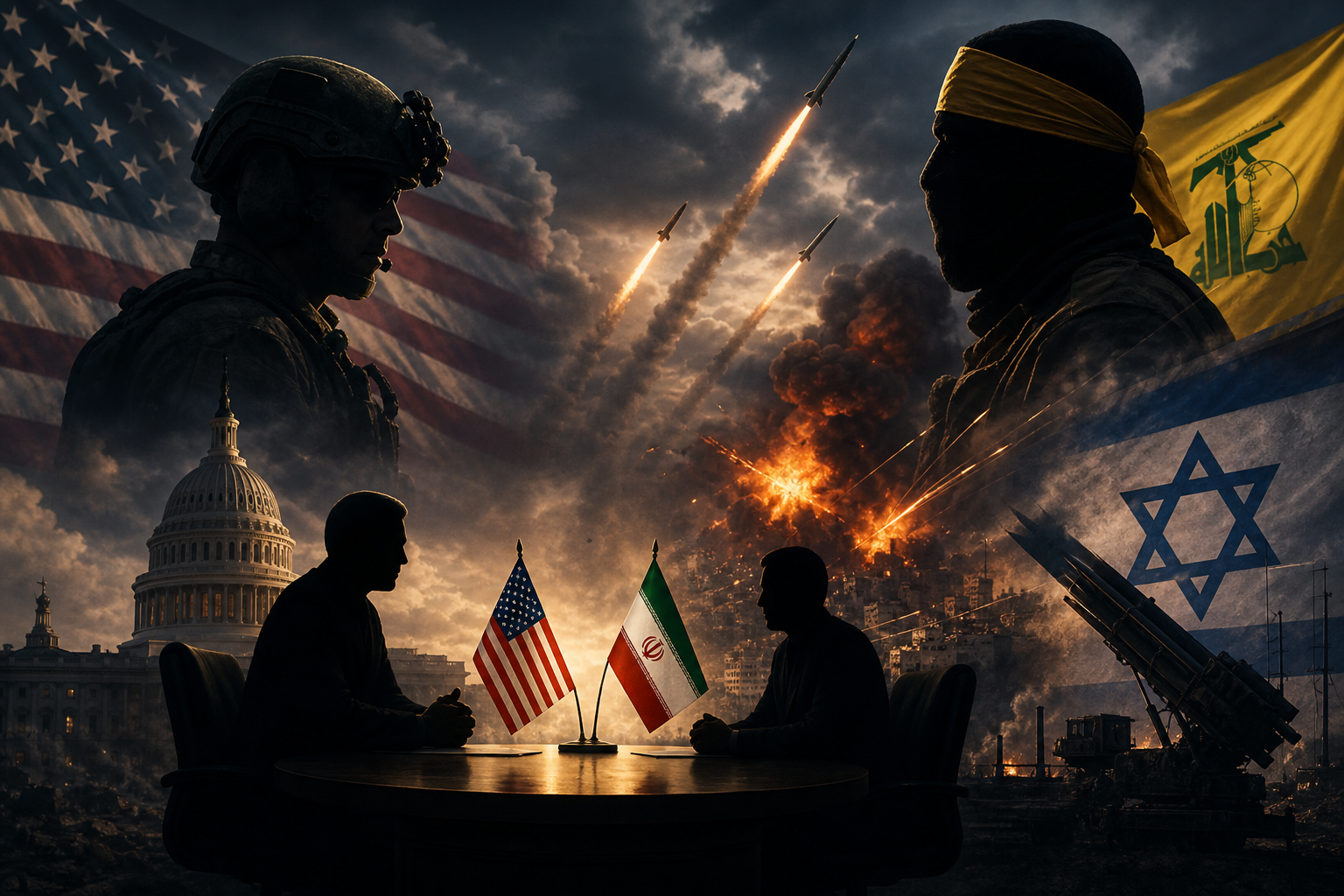
As military tensions escalate in Lebanon, senior Iranian officials are ramping up their criticisms of Israel’s ongoing military campaign. A significant focal point of this conflict has been the operations conducted by Israel, as they push deeper into Lebanese territory, most recently advancing to the historic Beaufort Castle near Nabatiyeh.
Brig. Gen. Esmail Qaani, a senior commander in Iran’s Islamic Revolutionary Guard Corps (IRGC), has issued stark warnings, insisting that Israel must withdraw to pre-conflict positions established before the ongoing hostilities that began in early March. “Supporting the resistance in Lebanon is the duty of all of us,” he stated, underscoring Iran’s unwavering support for Hezbollah, the Iran-backed militant group currently engaged in conflict with Israel.
In a related statement, the IRGC emphasized the necessity for Israel to halt its attacks and recognize Lebanon’s territorial integrity. Tehran’s diplomatic lead, Mohammad Bagher Ghlibaf, has warned that any continuation of Israeli aggression could lead to a disruption of ongoing negotiations, and even direct confrontation. He echoes sentiments expressed by Iran’s Foreign Minister, who declared that any ceasefire with the U.S. would extend to Lebanon as well, reinforcing Iran’s commitment to its regional allies.
Meanwhile, U.S. President Donald Trump has voiced concerns regarding Israel’s overt military actions in Lebanon, indicating friction among international players in this tense environment. Both Israeli and Hezbollah forces have launched attacks recently, demonstrating the fragile state of a ceasefire first proposed in April.
As Israeli forces have made historical advancements once again into Lebanese territory, Israeli Prime Minister Benjamin Netanyahu affirmed that military operations will continue as planned, signaling no imminent resolution in sight.
In reviewing these developments, one might reflect on the words from Matthew 5:9: "Blessed are the peacemakers, for they shall be called children of God." This scripture highlights the profound importance of dialogue and reconciliation over conflict. In a world rife with tension and hostility, it is essential to remember that peace is a collective endeavor.
Ultimately, the current situation invites us to consider not only the geopolitical implications but also the call for a more compassionate approach to resolving conflicts. As we observe these dynamics unfold, let us embrace the values of peace, understanding, and unity—principles that can transcend borders and lead to a more harmonious existence for all.
If you want to want to know more about this topic, check out BGodInspired.com or check out specific products/content we’ve created to answer the question at BGodInspired Solutions
If positive Biblical wisdom matters to you, I’d love your support of the mission
Q&A about
Are the US-Iran talks really going to lead to lasting peace according to Scripture?
Peace is a complex issue often emphasized in the Bible, especially when Jesus taught about peacemakers being blessed (Matthew 5:9). Lasting peace can only come from hearts transformed by faith and understanding, reminding us to pray for wisdom and discernment in these negotiations.
How should Christians respond to the conflict between Hezbollah and Israel?
Christ calls us to love our enemies and pray for those who persecute us (Matthew 5:44). This implies that our response should be rooted in love, compassion, and prayer for peace, rather than conflict, seeking to understand the deeper issues at play and not just the headlines.
Is there a biblical perspective on the uncertainty in these geopolitical talks?
The Book of James encourages us to seek wisdom from God, who gives generously (James 1:5). In uncertain times, Christians are called to trust in God’s sovereignty and seek His guidance, knowing that true peace ultimately comes from Him rather than human agreements.
How can we understand the role of faith in these global tensions?
Faith provides a framework for hope amid turmoil, reminding us that our ultimate trust should be in God, not in worldly leaders (Proverbs 3:5-6). When navigating these tensions, Christians are encouraged to cling to their faith, seeking God’s will and comfort, which surpasses all understanding.