 0
0
 0
0
U.S. Administration Considers Imposing Tariffs on 60 Nations Over Forced Labor Practices
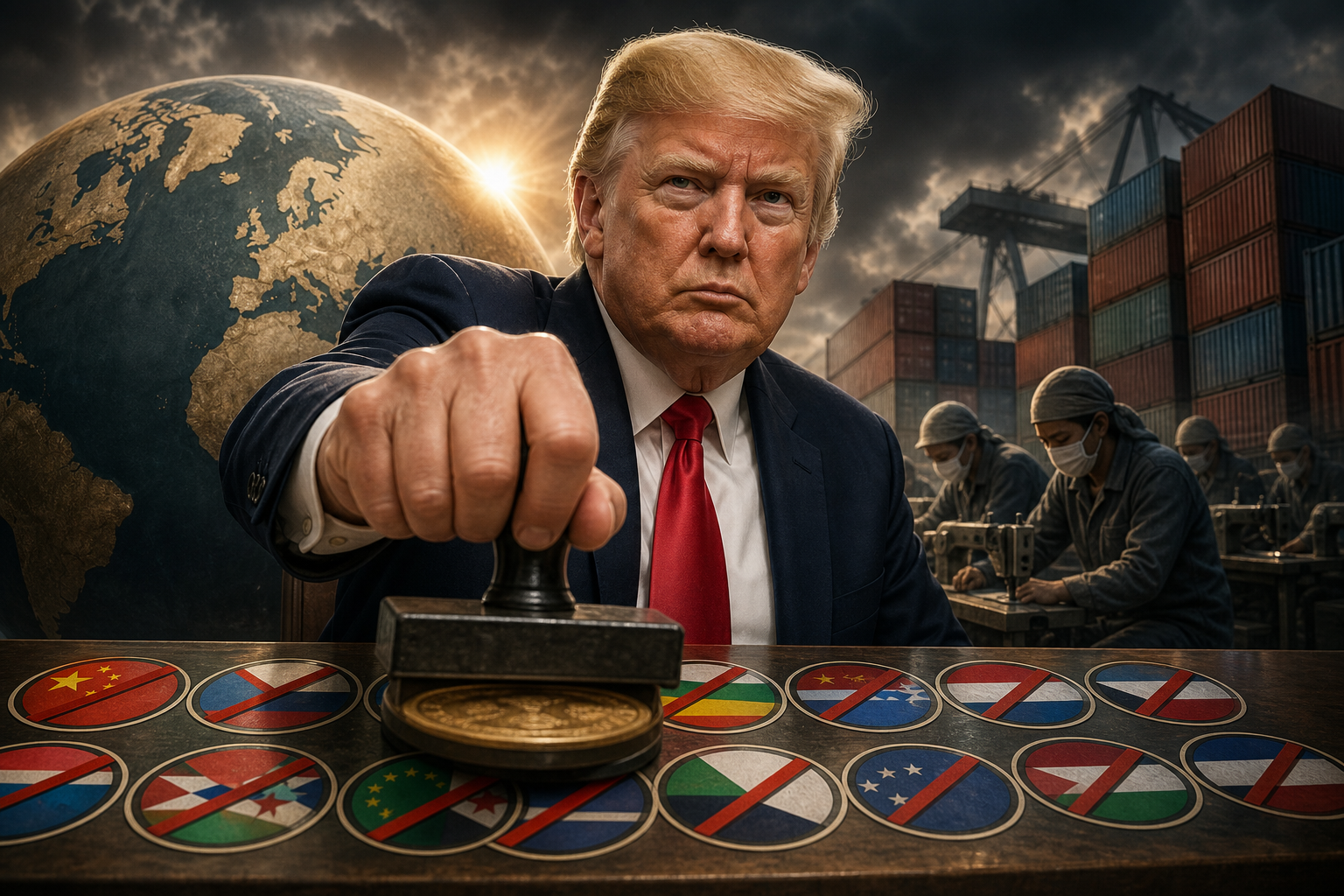
In a significant policy development, the Trump administration has announced potential tariffs on approximately 60 nations, including economic heavyweights like China, the United Kingdom, and the European Union. This drastic measure emerges from ongoing investigations into allegations of forced labor practices within these nations, stirring discussions on human rights, trade ethics, and international relationships.
The proposed tariffs, which could reach as high as 12.5%, are not merely economic maneuvers but reflect deeper moral concerns. According to reports from outlets like CNBC and The Washington Post, these measures aim to hold countries accountable for participating in or tolerating labor exploitation—issues that resonate deeply with principles of justice and dignity upheld in many ethical frameworks, including Christian teachings.
A Call for Justice
For many, such measures are seen as vital steps toward fostering ethical trade practices. The Bible underscores the importance of justice and protection for the vulnerable. Proverbs 31:8-9 states, "Speak up for those who cannot speak for themselves; ensure justice for those being crushed." This foundational principle invites us to consider our roles in advocating for fairness, not just in our local communities but across the globe.
Economic Repercussions and International Response
Trade analysts predict that the implementation of these tariffs may spark widespread retaliatory actions, complicating diplomatic ties further. Economies that rely on the U.S. market could find themselves at a crossroads, weighing the benefits of trade against the imperative of ethical labor practices. As these discussions unfold, the interconnectedness of global markets becomes increasingly apparent, nudging us toward collective responsibility.
Navigating Complex Waters
This situation is not just about tariffs; it raises profound questions about our values and responsibilities in the global marketplace. The administration’s prior attempts to enforce similar tariffs faced legal roadblocks, yet the current administration appears committed to exploring new pathways for implementing these policies.
Anger and frustration boil over in times of economic struggle, but the teachings of Jesus urge us to engage with compassion and understanding. Reflecting on Matthew 7:12, where it says, “So in everything, do to others what you would have them do to you,” we are invited to ponder how our economic choices affect the lives of others, particularly the most vulnerable.
Encouragement to Reflect
As discussions on tariffs and forced labor practices spiral, we are reminded that the answers may lie not just in policy but in our hearts. Engaging with economic decisions through a lens of compassion and justice reflects a commitment to higher principles that can guide our actions. In times of uncertainty, let us come together to ensure that our economic engagements honor the inherent dignity of all individuals.
In navigating these complex issues, we can find hope not only in justice but in the opportunity for dialogue and cooperation. As we reflect on these developments, let them serve as a call to action—one that aligns not only with our economic interests but with our higher moral aspirations as individuals and stewards of our shared humanity.
If you want to want to know more about this topic, check out BGodInspired.com or check out specific products/content we’ve created to answer the question at BGodInspired Solutions
If positive Biblical wisdom matters to you, I’d love your support of the mission
Q&A about
Is it right for Trump to impose tariffs on countries accused of forced labor?
As Christians, we are called to uphold justice and compassion. Imposing tariffs can be a way to stand against injustices like forced labor, aligning with the biblical call in Proverbs 31:8-9 to speak up for those who cannot speak for themselves. However, we must also ensure that our actions promote love and do not unfairly burden those who are innocent.
How should we respond as Christians to economic policies like tariffs affecting the poor?
We are reminded in Luke 6:31 to do unto others as we would have them do unto us. Economic policies should reflect God’s heart for the marginalized. It’s crucial for Christians to advocate for fairness and compassion in all economic matters, ensuring that the least among us are prioritized rather than neglected.
Can tariffs be reconciled with the Christian call to love our neighbor?
Jesus taught us to love our neighbors, and that includes seeking justice not just for our own nation but for global communities as well. While tariffs may aim to address moral issues, it’s vital that they do not provoke resentment or further hardship. Following Romans 12:18, we should strive for peace and good relationships even while seeking justice.
What does the Bible say about taking a stand against forced labor in other countries?
The biblical instruction to love our neighbor transcends borders. In Isaiah 1:17, we are urged to seek justice and defend the oppressed, which applies to holding nations accountable for forced labor practices. Engaging in advocacy for fair labor standards aligns with the principles of righteousness and mercy central to our faith.