 0
0
 0
0
Title: Venture Capitalist Chi-Hua Chien on the Evolution of Technology in a Post-Pandemic World
In an age where technology shapes our daily lives like never before, venture capitalist Chi-Hua Chien stands out for his multidisciplinary perspective. With over two decades in venture capital, he intertwines insights from human behavior and cultural anthropology, paving the way for a new approach to investment. As co-founder of Goodwater Capital, Chien’s portfolio boasts investments in transformative companies across several sectors, including healthcare, fintech, and entertainment.
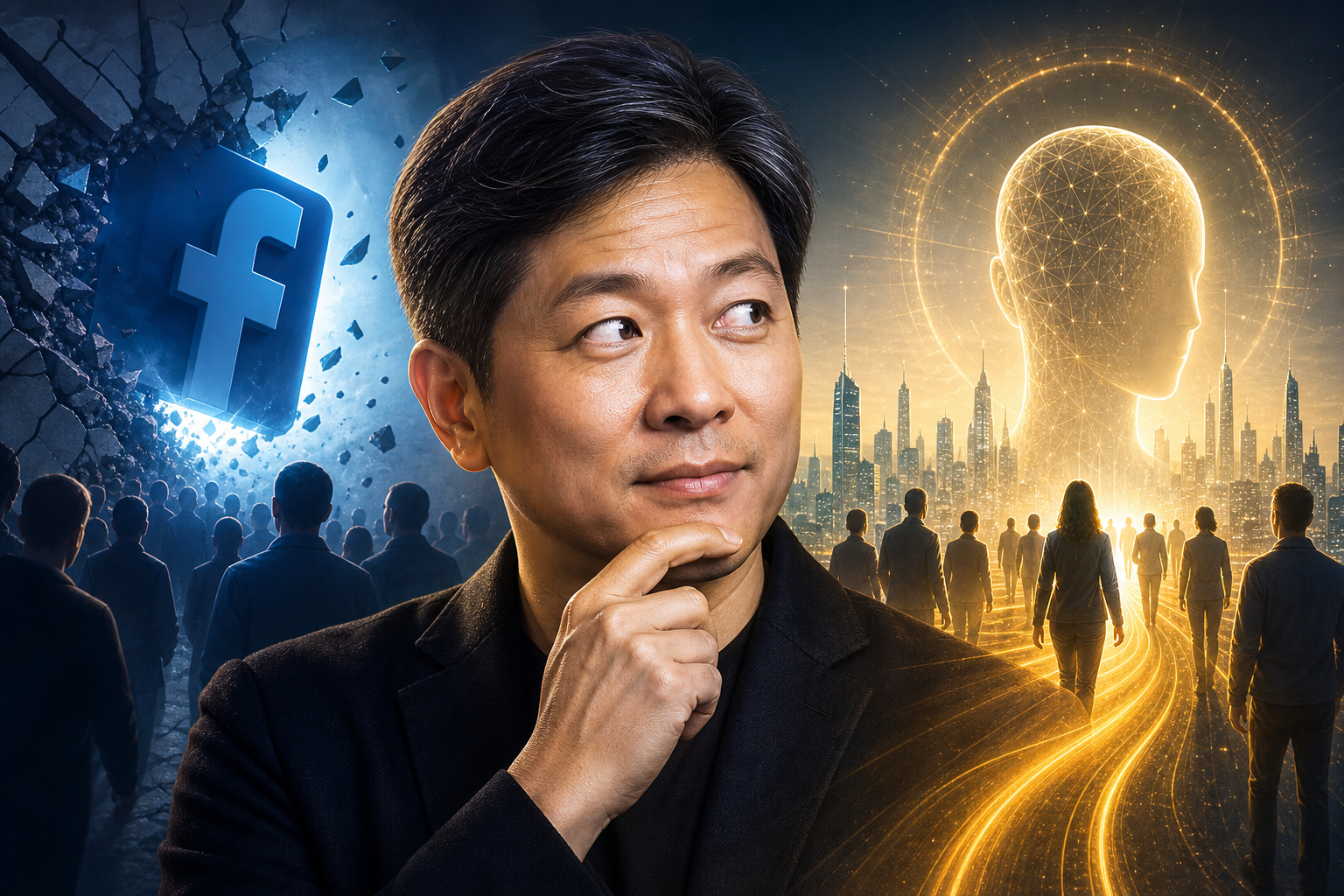
Chien’s historical contributions include recognizing the potential of a small, six-person startup from Harvard—known as Facebook—at a time when digital social interaction was emerging. He expresses a profound belief that as technology evolves, so too must our understanding and application of it. He asserts that the intersection of consumer trust and AI will redefine our relationship with technology. “Americans will never trust a single app with both their social lives and their finances,” he suggests, illustrating a critical gap in user confidence.
The Changing Landscape of Venture Capital
Recently, the venture capital landscape has faced scrutiny as founders and investors increasingly speak out about the challenges of working with VCs. Chien attributes this shift to a "meme-ification" of grievances and growing market peaks, as larger firms become less reliant on co-investor relationships. As he observes this transformation, it prompts reflection on the importance of honesty—echoing the biblical principle from Proverbs 12:22: “The Lord detests lying lips, but he delights in people who are trustworthy.”
Commoditization and Value Creation
Chien highlights the ongoing commoditization of the infrastructure component in tech, citing historical trends that show application companies capturing the bulk of value generation. As firms race to establish market leadership, the aggressive marketing of valuations exemplifies supply-demand imbalances. This trend may appear cutthroat but underscores a fundamental lesson: companies that focus on genuine value creation through personalized experiences will succeed.
He discusses companies in his portfolio that use AI not just as a selling point, but as a means to enhance user satisfaction and engagement. This hyper-personalization is crucial. In a world filled with impersonal digital experiences, Chien reminds us of the biblical emphasis on love and connection within communities, where personalized care often leads to deeper trust and rapport.
Navigating Trust in Financial Transactions
Chien reflects on the challenges of merging financial services with social entertainment, a quest many companies, including Facebook, have struggled with. The “trust gap” presents a significant barrier. He articulates that financial transactions carry a seriousness fundamentally different from social interactions. This echoes the biblical principle of stewardship; individuals desire to manage their resources with the utmost care and trustworthiness.
Seeking Human Connection Amid Digital Noise
In a world saturated with digital experiences, Chien champions the enduring desire for genuine human interaction. Amid the pandemic’s aftermath, companies like Bump and Fever are proving that people yearn for real-world connections. This sentiment aligns with the teachings of Jesus, who emphasized the importance of relationships with one another, reminding us that even amidst technological expansion, “where two or three gather in my name, there am I with them” (Matthew 18:20).
The Path Forward
As we look forward, Chien believes we are on the cusp of remarkable advancements in AI and personalized technology. Yet, he emphasizes the need for clarity in defining its use cases, similar to the mobile evolution seen after the introduction of the iPhone. This invites us to consider how we may apply such insights to our lives, seeking wisdom and discernment in navigating both our personal and professional journeys.
In a climate of rapid change, Chien’s reflections serve as a reminder that while technology can enhance our lives, it’s our foundational principles—trust, personalization, and human connection—that will ultimately drive success.
Encouraging Takeaway
As we navigate this complex intersection of technology and human connection, let us remain anchored in values that prioritize integrity, trust, and goodness. Reflecting on Proverbs 3:5-6, “Trust in the Lord with all your heart and lean not on your own understanding; in all your ways submit to him, and he will make your paths straight,” encourages us to seek wisdom in our pursuits. How might we foster deeper connections in a digitally dominated world? The answer may lie in intentionally creating spaces for authentic interactions, reminding us that amid innovation, our greatest wealth remains in the relationships we nurture.
If you want to want to know more about this topic, check out BGodInspired.com or check out specific products/content we’ve created to answer the question at BGodInspired Solutions
If positive Biblical wisdom matters to you, I’d love your support of the mission
Q&A about
Did Chi-Hua Chien really predict Facebook’s future impact?
Yes, he did see the potential of social media before many others. This reflects the biblical principle of wisdom, as stated in Proverbs 3:13, which tells us that those who find wisdom are blessed. Being attuned to trends can help us navigate challenges, much like how Jesus advised us to be wise as serpents and innocent as doves in Matthew 10:16.
What does Chien mean by saying AI won’t be sold to a Christian audience?
Chien suggests that the future of AI won’t cater specifically to Christian values, which raises questions about ethical use. Jesus emphasized the importance of integrity and loving our neighbor in Mark 12:31. Christians can advocate for responsible AI development, ensuring it aligns with the teachings of Christ in caring for humanity.
How can faith inform our approach to AI advancements?
Faith reminds us to be stewards of creation including technology like AI. In Colossians 3:23, we are called to work heartily as for the Lord, which can apply to how we develop and use AI. This means approaching innovations with ethical considerations that reflect Christ’s teachings, prioritizing the common good.
Are there biblical principles that apply to tech entrepreneurs like Chi-Hua Chien?
Yes, tech entrepreneurs can draw from biblical values of service and integrity in their work. Philippians 2:3 encourages us to consider others as more significant than ourselves, urging leaders in technology to prioritize the welfare of society over mere profit. This mindset can lead to innovations that genuinely benefit all people.