 0
0
 0
0
Title: Is Elon Musk’s Vision for Mars Colonization Grounded in Reality?
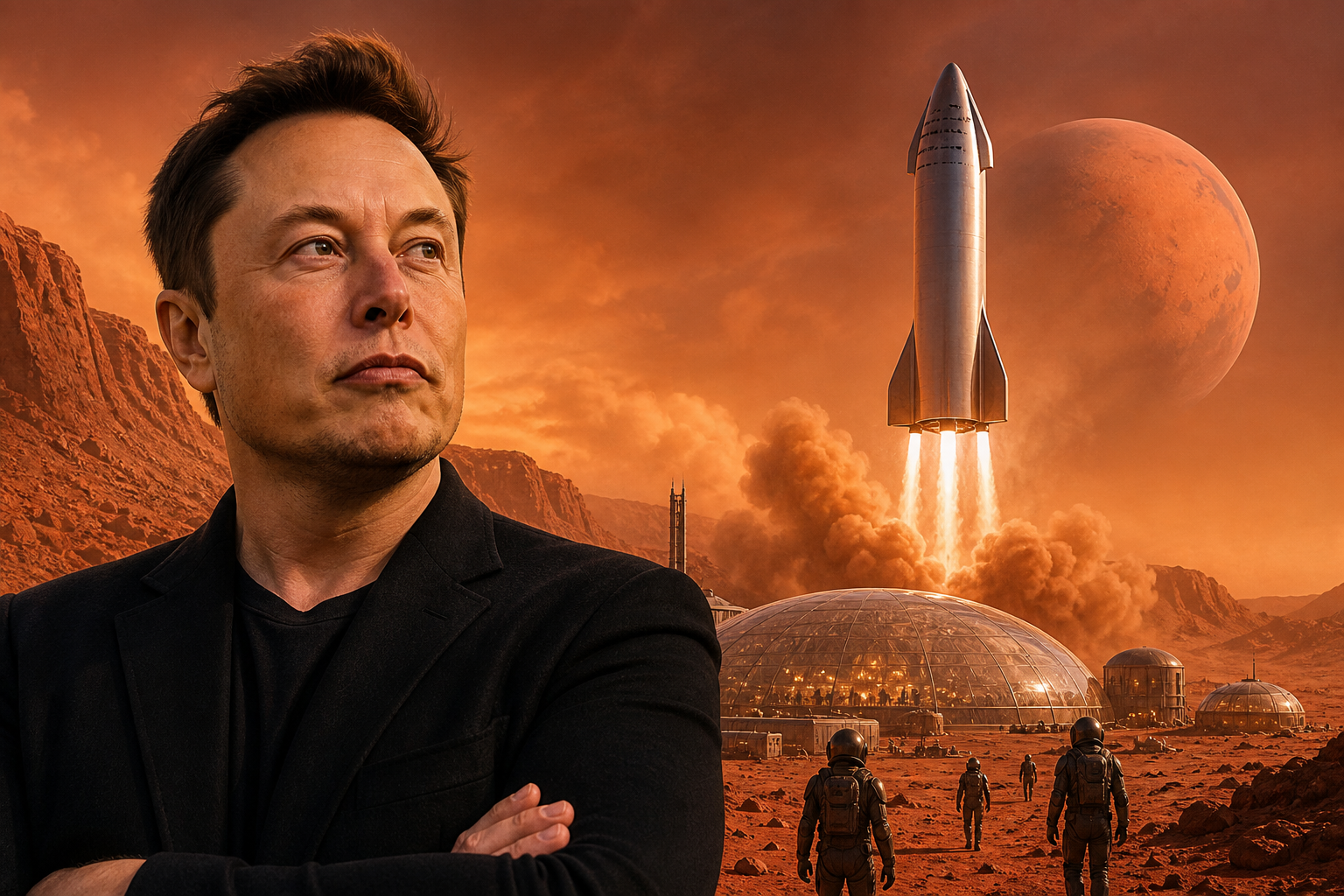
As the world watches with bated breath, Elon Musk’s ambitious plan to colonize Mars has captured the imagination of many. However, the enthusiasm surrounding this grand vision begs a critical question: Are we truly prepared for such a monumental task? Skepticism arises from various experts who argue that the idea of establishing a self-sustaining colony on Mars—with Musk’s proposed population of one million—may be overly optimistic.
At the heart of the debate is the sheer scale of resources needed for survival on the Red Planet. Currently, three primary energy sources have been identified for Martian colonization: geothermal, nuclear, and solar. Yet, each comes with its own set of challenges. Mars’s geothermal potential remains largely uncharted, and if accessible, it could be located far beneath the surface, making it impractical. Nuclear energy presents a similar dilemma; the difficulty of locating uranium and establishing a mining operation could require a workforce far exceeding what Musk envisions.
Solar power, the most promising of the three, poses its own unique challenges. Given Mars’s distance from the sun, solar panels would need to cover four times the surface area to match Earth’s energy output. Coupled with the extreme cold—an average temperature of -80 degrees Fahrenheit—substantial energy would be diverted simply to maintain livable conditions.
Further complicating matters is the need for sustainable food sources. For a colony to thrive, all food must be grown locally, necessitating extensive agricultural infrastructure. This requires significant energy, resources, and manpower to establish greenhouses and suitable soil, along with systems to collect and manage water—essential elements for civilization.
In reflecting on the scale of what Musk proposes, one cannot help but draw parallels to biblical principles regarding stewardship and community. Jesus taught us the warmth of interconnectedness (Matthew 18:20, “For where two or three gather in my name, there am I with them.”), reminding us of the importance of cooperation and support. The challenge of building a self-sufficient colony touches on our broader responsibility to care for one another and our environments.
As we ponder Musk’s vision, it is prudent to ask: Can a population of merely one million truly support a thriving Martian society? The prospect of needing up to 100 million people for sustainability grounds us in reality, reminding us that ambitious goals should be pursued with practical wisdom.
In the end, while the idea of a Martian colony sparks excitement, it also emphasizes the value of preparation and community—hallmarks of biblical teachings. As we move forward, let us reflect on the words of Proverbs 15:22: “Plans fail for lack of counsel, but with many advisers they succeed.”
This provides an encouraging takeaway: may we approach both earthly challenges and cosmic dreams with the wisdom and cooperation that ensures our collective success. Reflecting on our responsibilities, both earthly and beyond, invites us to contribute thoughtfully to the dreams we hold.
If you want to want to know more about this topic, check out BGodInspired.com or check out specific products/content we’ve created to answer the question at BGodInspired Solutions
If positive Biblical wisdom matters to you, I’d love your support of the mission
Q&A about
Does Elon Musk’s plan to colonize Mars align with Christian values?
Musk’s vision for Mars might seem ambitious, but from a Christian perspective, we must consider the call to stewardship of Earth first. Genesis teaches that humanity is to care for creation, which can lead us to question whether our focus should be on space exploration or addressing pressing issues at home, such as poverty and environmental degradation.
Is there a spiritual danger in focusing too much on space travel and neglecting our earthly responsibilities?
Focusing on Mars could distract us from the commandment to love our neighbor, as found in Mark. If our resources and energies are diverted towards reaching other planets, we might neglect the needs of those suffering around us, missing the opportunities to embody Christ’s love in our own communities.
How should Christians view the idea of living on another planet?
Living on another planet raises questions about our purpose and mission. The Bible encourages us to seek first God’s kingdom (Matthew 6:33), reminding us that our ultimate destination and hope lies not in distant worlds but in the eternal promise of being with God and fulfilling His will here on Earth.
What lessons can we learn from Musk’s ambitions regarding our faith?
Musk’s ambitions can remind us that human innovation is a reflection of God’s creativity, yet we must remain grounded in humility. James 4:13-15 warns about boasting of our future plans without seeking God’s wisdom, encouraging us to submit our desires to His greater sovereignty and purpose.