 0
0
 0
0
You already know some of it. A Christmas story from childhood. A verse on a coffee mug. Something a pastor said once that stuck. What you don’t have is the order. So you type “best order to read the Bible for beginners” into a search bar and get a dozen different plans, each sure of itself, none of them agreeing.
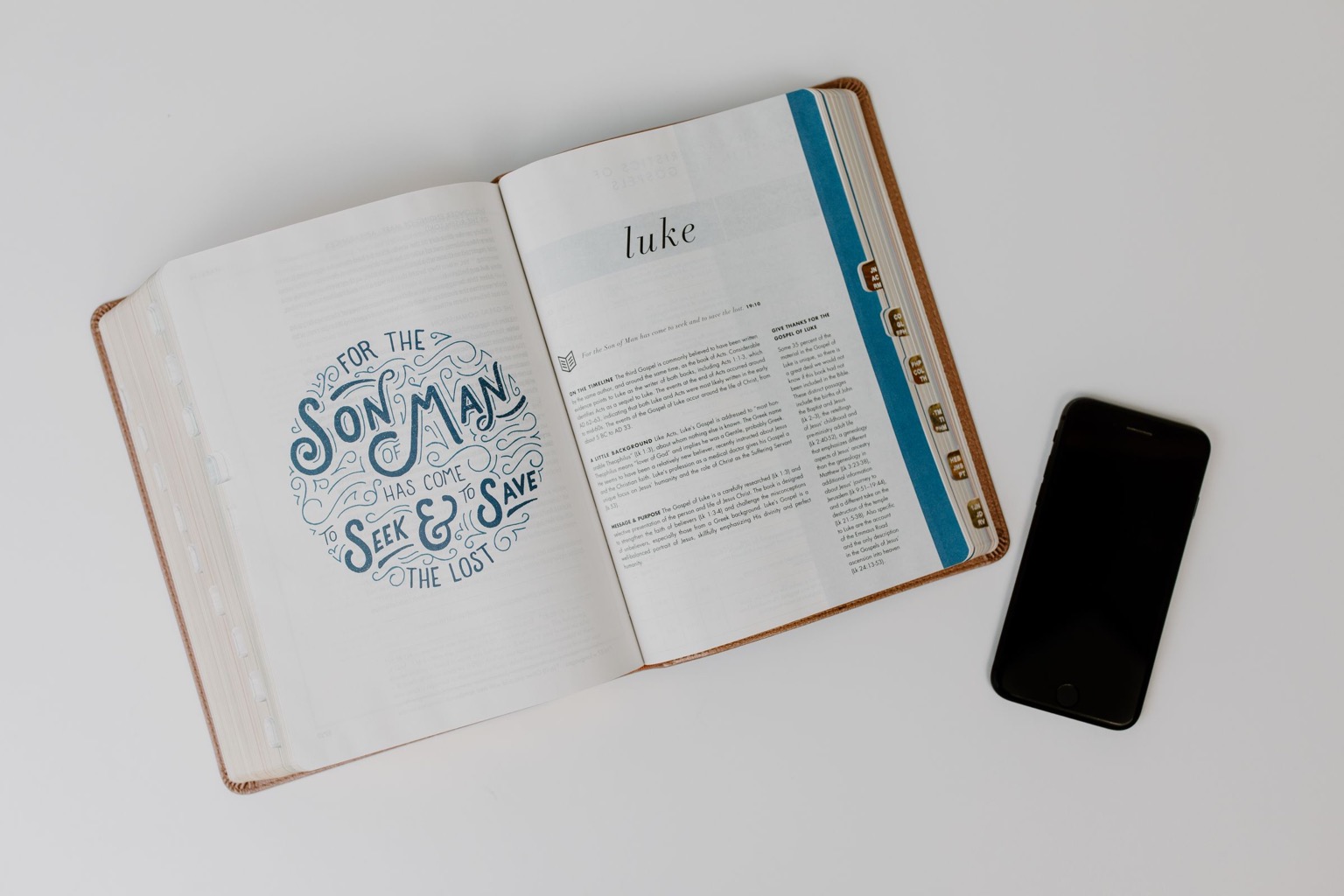
Here’s the thing almost nobody mentions. One of the Bible’s own writers sat down and did this exact job for one man who was in your exact spot. He’d been taught bits and pieces. He wanted them to hold together. So his friend wrote it all out for him, start to finish, in order. That book is still sitting in your Bible. It’s called Luke.
The Bible Book That Says “I Wrote This in Order for You”
Most books of the Bible just begin. Luke begins by telling you why it exists, and it’s written to one person by name:
“It seemed good to me also, having had perfect understanding of all things from the very first, to write unto thee in order, most excellent Theophilus, That thou mightest know the certainty of those things, wherein thou hast been instructed.” (Luke 1:3-4, KJV)
Read that slowly, because it’s a beginner’s reading plan hiding in plain sight. Theophilus had already “been instructed.” He wasn’t starting from zero. He had heard things. What he didn’t have was certainty, and Luke’s answer to that wasn’t a pile of extra facts. It was order. Start at the beginning, walk forward, and let the story carry you.
Who Was Theophilus? (And What Nobody Knows)
Honestly, nobody knows who he was. His name is Greek and means something like “friend of God” or “loved by God,” which is why some readers have wondered whether Luke was writing to every friend of God at once. Others notice the title Luke gives him. “Most excellent” is the same title the book of Acts uses for a Roman governor: “Claudius Lysias unto the most excellent governor Felix sendeth greeting” (Acts 23:26, KJV). That hints Theophilus may have been a real person of some standing.
Scholars also still debate what Luke meant by “in order.” It may mean strict time order, or it may mean an orderly, well-arranged account. Either way, the point for a beginner is the same. Luke didn’t hand his friend a scrapbook. He gave him a path.
A Beginner’s Order Built on Luke’s Own Plan
1. Luke: meet Jesus, start to finish. Twenty-four chapters. Read one a day and you’ve walked through the whole life of Jesus in under a month: His birth, His teaching, the stories He told, the cross, the empty tomb. It’s also the only Gospel with the prodigal son and the good Samaritan, so a lot of what you half-remember will finally have a home.
2. Acts: read volume two. This is the detail most reading plans skip. Acts opens like this: “The former treatise have I made, O Theophilus, of all that Jesus began both to do and teach” (Acts 1:1, KJV). Same friend, same writer, part two. The word “began” is doing quiet work there. Luke’s first book was only what Jesus began to do. Acts is what happened next, when ordinary people carried it on. Reading Luke and Acts back to back is the closest thing the Bible has to a two-part series written for a beginner.
3. John: hear it from a close friend. John tells you his purpose plainly, the same way Luke did: “But these are written, that ye might believe that Jesus is the Christ, the Son of God; and that believing ye might have life through his name” (John 20:31, KJV). After Luke’s step-by-step account, John slows down and lets you sit close to Jesus.
4. Then let Jesus show you the Old Testament. Near the end of Luke, two followers are walking home, confused and sad, and Jesus joins them on the road. Luke writes, “And beginning at Moses and all the prophets, he expounded unto them in all the scriptures the things concerning himself” (Luke 24:27, KJV). That’s a reading order too. Jesus started with the old story and showed how it pointed to Him. Once you know Jesus, Genesis and the Psalms stop feeling like a wall of ancient detail and start feeling like the beginning of a story you already love.
If you’d rather start shorter, our earlier guide on the best order to read the Bible for beginners takes a Mark-first route. Both paths share the one rule that matters: meet Jesus before you tackle the backstory.
What Changes When You Have an Order
Theophilus wanted certainty. Not more information. Certainty. That’s worth noticing, because a lot of beginners don’t put the Bible down for lack of information. They put it down because every time they open it, they’re not sure where they are or why it matters.
An order changes that. You wake up and already know what you’re reading. Yesterday’s chapter hands you today’s. The names start to repeat and become familiar. One morning a few weeks in, you’ll notice you’re not reading about Jesus anymore. You’re getting to know Him the way you get to know anyone: by spending time with Him, one ordinary day after another.
And if some mornings it still feels flat, you’re in good company. The two men on that road felt nothing special for miles either, as this look at feeling nothing when you read the Bible explores. Afterward they said, “Did not our heart burn within us, while he talked with us by the way, and while he opened to us the scriptures?” (Luke 24:32, KJV). The burning was there before they noticed it.
The Hard Part Isn’t the Order. It’s Day 6.
Knowing the right order is the easy part. Keeping it going on the sixth morning, when you’re tired and the kids are up early and you can’t remember where you left off, is where most plans quietly end.
That’s the gap 30 Days Walking with Jesus was made to fill. It walks you through the life of Jesus one day at a time, a beginner-friendly reading plan through the Gospels, so you never have to decide what’s next. Each day takes under 10 minutes, and it comes with 30 short devotional videos (each under a minute), 30 full-chapter audio readings you can listen to on a drive, a complete PDF study guide with journal prompts, and 5 quick-reference scripture guides. If you’ve ever liked the idea of a 30-day Bible reading plan built around the life of Jesus, this is that plan, with someone walking it with you.
And it’s free. Not a free trial and not a sample. It’s the whole thing, with no card and no upsell, and it’s yours forever on any device. The reason is simple: the words of Jesus shouldn’t sit behind a paywall. Luke wrote it all out for one friend who wanted to be sure. This is the same idea, for you, starting tomorrow morning.
Questions People Are Asking
Q: What is the best order to read the Bible for beginners?
A: A strong beginner order is Luke, then Acts, then John, and then the Old Testament. Luke was written “in order” for a man named Theophilus who had heard pieces of the story and wanted certainty. Acts is Luke’s second volume to the same man. John adds a close, personal view of Jesus. After that, Genesis and the Psalms make far more sense, because you already know where the story is going.
Q: Why start with the Gospel of Luke instead of Genesis?
A: Luke is the one Bible book that opens by saying it was written in order so a reader could “know the certainty” of what they had been taught (Luke 1:3-4). It walks through the whole life of Jesus in 24 chapters, which is a chapter a day for under a month. Genesis is easier to follow once you’ve met Jesus first.
Q: Who was Theophilus in the Bible?
A: Theophilus is the person both Luke and Acts are addressed to. Nobody knows for certain who he was. His name means roughly “friend of God,” and Luke calls him “most excellent,” a title Acts also uses for the Roman governor Felix, which suggests he may have been a person of some standing. What the text does make clear is that he had already been taught about Jesus and wanted certainty.
Q: Should I read Acts right after Luke?
A: Yes, it’s a natural next step. Acts begins by speaking to the same Theophilus and calls Luke “the former treatise,” describing it as everything Jesus “began both to do and teach” (Acts 1:1). Reading them back to back lets you follow one writer’s two-part account from the birth of Jesus to the spread of the early church.