 0
0
 0
0
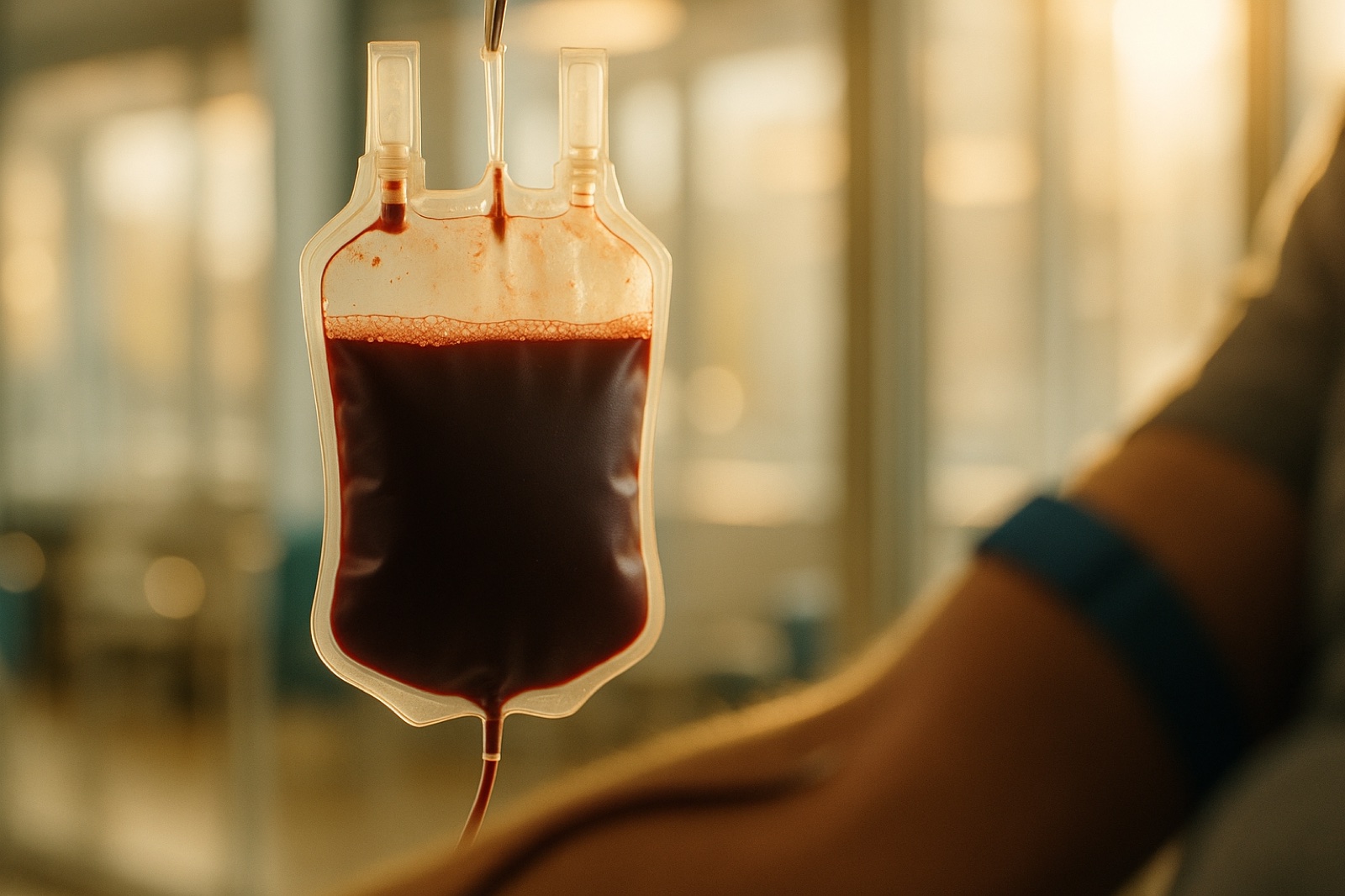
This week, the American Red Cross did something it has only done one other time in its history. It declared a national blood crisis — not a shortage warning, not a gentle reminder to roll up your sleeve, but a full-scale emergency. The last time that happened was January 2022. Before that, it had never happened at all.
If you haven’t given blood recently, or ever, this is probably the first you’re hearing that it’s this serious. So here’s what’s actually going on, why it happened again now, and what it means for people you’ll never meet who are counting on strangers showing up.
A Crisis That’s Only Happened Twice
Blood donations in the U.S. just hit a four-year summer low. Since the end of May, the gap between how much blood hospitals need and how much people are actually giving has been widening every week. Right now, the Red Cross says the national supply of type O positive blood — the type used first in trauma and emergency situations because it’s compatible with the most patients — is sitting at less than a single day’s supply.
One day. That’s the buffer standing between routine hospital operations and a real problem.
Blood doesn’t keep like most things you can stockpile. Red blood cells last about 42 days in storage, platelets last five, and there is no factory anywhere that manufactures either one. The entire national supply exists because people decided, on their own, to show up somewhere and give some of theirs away. When that stops happening at the normal rate, there’s no backup system. There’s just less blood.
Why Donations Fell Off a Cliff This Summer
It’s not one thing — it’s several ordinary things stacking on top of each other at the worst possible time. Extreme summer heat and poor air quality have kept people away from donation sites. Widespread foodborne illness this season disqualified donors who would otherwise have been eligible. Vacations and disrupted routines mean fewer people are walking past a blood drive and deciding, on impulse, to stop in.
Meanwhile, the need didn’t take a summer break. Hospitals see more trauma cases in the warmer months — more car accidents, more outdoor injuries, more emergency surgeries. The Red Cross says it’s currently distributing blood to hospitals at a rate nearly 3,500 units higher per week than what it’s collecting. That gap doesn’t close itself. It closes because someone, somewhere, decides to walk into a donation center on a random Tuesday.
What a Blood Shortage Actually Delays
It’s easy to hear “shortage” and picture something abstract — a number on a dashboard somewhere. It isn’t. A real blood shortage means surgeries get postponed because there isn’t enough blood on hand to safely perform them. It means trauma centers have to make harder calls about how much blood they can afford to use on any one patient. It means people managing conditions like sickle cell disease or undergoing cancer treatment — patients who need routine transfusions just to function — start feeling the strain first, because their need isn’t a one-time emergency, it’s ongoing.
None of that shows up in a headline the way “national crisis” does. It shows up quietly, in individual hospital rooms, to people who have no idea the national supply even exists until the day they need it and it’s thin. It’s a familiar pattern — the real work of a public health crisis almost always happens in the quiet, unglamorous middle, long before or after the headlines pay attention.
The Part Most People Don’t Realize About One Donation
Here’s the detail that tends to surprise people who’ve never given blood: a single donation doesn’t just help one person. Hospitals separate whole blood into its components — red cells, platelets, and plasma — and each part can go to a different patient with a different need. One donation, given in about ten minutes, can end up helping as many as three people you will never meet, in situations you’ll never know about.
That’s an unusually direct trade for how the modern world normally works. Most of the good we do is diffuse — a tax dollar routed through a dozen systems before it reaches anyone, a donation absorbed into a large organization’s budget. This is different. It’s your body, a needle, ten minutes, and then it’s in someone else’s veins by the end of the week, doing exactly what it was always going to do — just for someone else. It’s the kind of generosity that doesn’t ask for anything back, which turns out to be the rarest and most durable kind there is.
Why Humans Have Always Treated Blood Differently
There’s something almost strange, if you sit with it, about how much weight every culture in recorded history has put on blood specifically. Not tissue, not bone — blood. Long before anyone understood oxygen transport or red blood cell counts, ancient cultures across the world independently arrived at the same instinct: blood wasn’t just a fluid the body happened to contain. It was treated as the very substance of life itself, worth more than what it was made of.
That instinct shows up in nearly every religious tradition, including the oldest writings in the Bible, which describe the life of a creature as residing specifically in its blood — not a metaphor invented later to make a point, but stated as a plain, physical fact thousands of years before medicine could explain why it was true. One of the very first stories in that same text is about a brother’s blood said to cry out from the ground — the idea that what happens to someone’s blood was never treated as a small thing, even four thousand years before anyone had a word for a transfusion. Something bigger than biology seems to sit underneath that recognition: that a gift of yourself — something that actually costs you, that you can’t get back — carries a different weight than almost anything else you can give a stranger.
Nobody who donates blood this week will ever meet the person who receives it. There’s no thank-you card, no name exchanged, no way to know if it worked. You just have to decide it was worth doing anyway.
What You Can Actually Do About It
Most people who’ve never donated assume it’s more complicated or more painful than it is. It isn’t. The actual process — from paperwork to walking out the door — is usually under an hour, and the donation itself is about ten minutes.
- Check if you’re eligible. The basic requirements are being in general good health, at least 16 or 17 depending on your state, and at least 110 pounds. Most common medications don’t disqualify you — check the Red Cross or your local blood bank’s website rather than assuming.
- Find the nearest drive or donation center. The Red Cross site (redcross.org) and most local hospital networks let you search by zip code and book a same-week appointment in a couple of minutes.
- Bring someone with you. Donation centers see far more first-time donors when someone they know invites them along. If you’ve been putting it off, this is the week that gap is actually being felt.
You’ll walk out in under an hour having done something with a genuinely direct, traceable effect on another human being’s life — a rarer thing than it should be.
What’s Actually Being Asked of You
What the Red Cross is asking for this week isn’t complicated, and it isn’t really about blood types or logistics. It’s asking whether enough ordinary people will decide, without being able to see who it helps or hear how it turns out, that a stranger’s life is worth ten minutes and a needle. Every time that’s been true before, the shortage has closed. It closes one person at a time, and there’s no reason this time will be any different — except that it needs to start somewhere, and it might as well be with you.
Discussion Question
Have you ever donated blood, and if so, do you remember what finally got you to actually do it — a person, a moment, a specific ask? If you haven’t, what’s actually stopped you? Tell us in the comments below.
Share This
- “The Red Cross just declared only its second national blood crisis ever. One donation, given in ten minutes, can end up helping three people you’ll never meet.” #BloodDonation #NationalBloodShortage
- “Blood doesn’t keep like most things you can stockpile. The entire national supply exists because people keep deciding, on their own, to show up and give some of theirs away.” #RedCross
- “There’s no thank-you card. No name exchanged. No way to know if it worked. You just have to decide it was worth doing anyway.”
Questions People Ask About the National Blood Shortage
Why did the Red Cross declare a national blood crisis in 2026?
Blood donations fell to a four-year summer low starting at the end of May 2026, driven by extreme heat, poor air quality, and a wave of foodborne illness that disqualified would-be donors — while hospital demand for trauma and emergency care stayed high. The gap between supply and need widened until the Red Cross was left with less than a one-day national supply of type O positive blood, the type used first in emergencies.
Has this happened before?
Only once. The Red Cross’s only prior national blood crisis declaration was in January 2022. This is the second in the organization’s history.
How many people does one blood donation actually help?
Hospitals separate a single donation into red cells, platelets, and plasma, each of which can go to a different patient. One donation can help as many as three people.
What happens to patients when there’s a blood shortage?
Surgeries can be postponed, trauma centers have to ration more carefully, and patients who need regular transfusions — such as those with sickle cell disease or undergoing cancer treatment — are often affected first because their need is ongoing rather than a single event.
Who is eligible to donate blood?
Requirements vary slightly by state and blood bank, but generally donors must be in general good health, at least 16 or 17 years old depending on the state, and weigh at least 110 pounds. Most common medications do not disqualify a donor — check with the Red Cross or a local blood bank to confirm eligibility rather than assuming.