 0
0
 0
0
UK, France, Germany, and Italy Poised to Lift Sanctions on Iran Amid US-Iran Deal
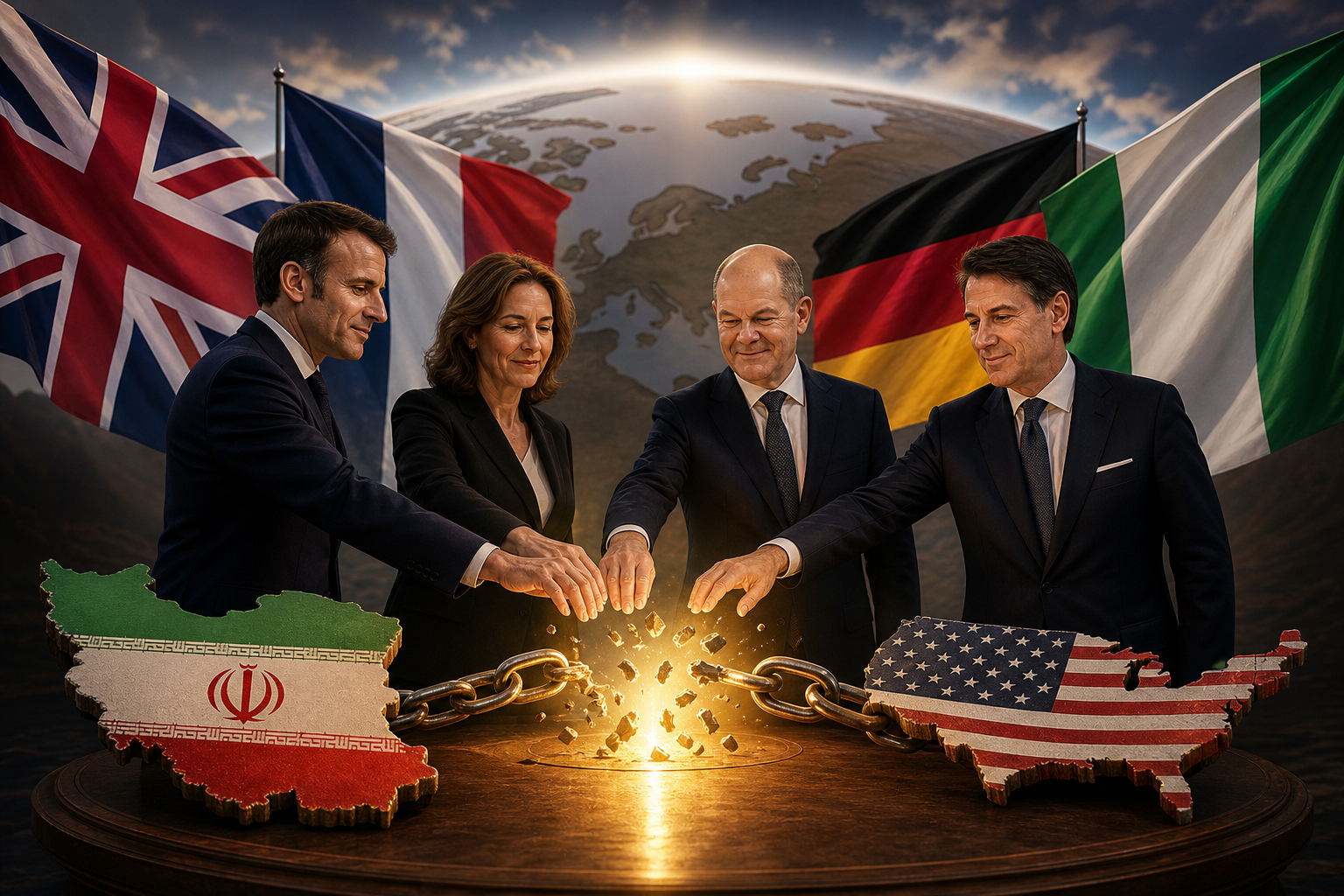
In a significant diplomatic shift, the UK, France, Germany, and Italy have signaled their readiness to lift sanctions against Iran following a breakthrough deal with the United States. This progression has elicited a variety of responses from international observers, many of whom note the potential implications for regional stability.
The negotiations, often overshadowed by concerns over nuclear proliferation, have revealed a complex landscape where economic sanctions have long been viewed not just as political tools but as instruments influencing everyday lives. The quartet of European nations is advocating for a balanced approach that safeguards regional security while respecting Iran’s sovereignty. Notably, amid the deliberations, leaders have conveyed their strong desire that Iran "can never" achieve nuclear weapons capability, underscoring a shared commitment to peace.
As this situation develops, the diplomatic dialogues are underscored by calls for unconditional access to the Strait of Hormuz, a critical maritime passage that sees the transit of a significant portion of the world’s oil. This demand reflects an urgency for cooperation and stability, resonating deeply with biblical principles of seeking peace and unity. Jesus taught the importance of reconciliation and working towards common good, as reflected in Matthew 5:9: "Blessed are the peacemakers, for they will be called children of God."
Transitioning from the geopolitical to the spiritual, one can recognize that the essence of diplomacy often mirrors the lessons found in faith—negotiation, understanding, and the pursuit of resolutions that uplift rather than diminish. This entire scenario urges a reflective pause: how can collaborative efforts transcend mere political maneuvering to inspire trust and communal flourishing?
Leaders like Friedrich Merz emphasize that the US-Iran deal must be implemented steadfastly, reinforcing the idea that consistent, determined action is vital for lasting peace. As discussions progress, it’s essential to remain hopeful and engaged, acknowledging that tangible steps towards peace often require perseverance and commitment from all parties involved.
As you reflect on these developments, consider this broader takeaway: each conversation, each negotiation carries the potential to exemplify the love, patience, and understanding Christ modeled. In a world often steeped in conflict, may we strive to champion the principles that promote harmony and collaboration.
Let this moment serve as a reminder of the power of diplomacy and the responsibility that comes with it—both in global affairs and in our daily interactions. Through resilience and grace, may we each become peacemakers in our own right.
If you want to want to know more about this topic, check out BGodInspired.com or check out specific products/content we’ve created to answer the question at BGodInspired Solutions
If positive Biblical wisdom matters to you, I’d love your support of the mission
Q&A about
Are the UK, France, Germany, and Italy making a wise choice by lifting Iran sanctions?
Many believers might consider the implications of international decisions through the lens of peace and reconciliation. Scripture teaches us to seek peace, as God calls us to be peacemakers in Matthew 5:9. If lifting sanctions facilitates dialogue and progress, it may align with God’s desire for nations to pursue understanding rather than conflict.
How should Christians feel about the potential outcomes of a US-Iran deal?
It’s essential to approach this with both hope and discernment. Romans 12:18 encourages believers to “live at peace with everyone,” suggesting that any positive diplomatic outcome could benefit not just nations but also the individuals living under them. Trusting in God’s sovereignty can help us navigate our feelings about such complex situations.
What can I pray for regarding the decisions on Iran sanctions?
Praying for wisdom and guidance for leaders is crucial, as James 1:5 prompts us to ask God for wisdom generously. Praying that these decisions bring about genuine peace and harmony, rather than deepening divides, reflects our responsibility to align with God’s desire for reconciliation and love among nations.
How can I respond as a Christian to the news about Iran and sanctions?
Engaging with compassion and informed understanding is key. Ephesians 4:32 reminds us to be kind and compassionate to one another, which can extend to our perspective on even contentious issues. Sharing the message of love and hope not only promotes understanding but also embodies Christ’s teachings in how we respond to global challenges.