 0
0
 0
0
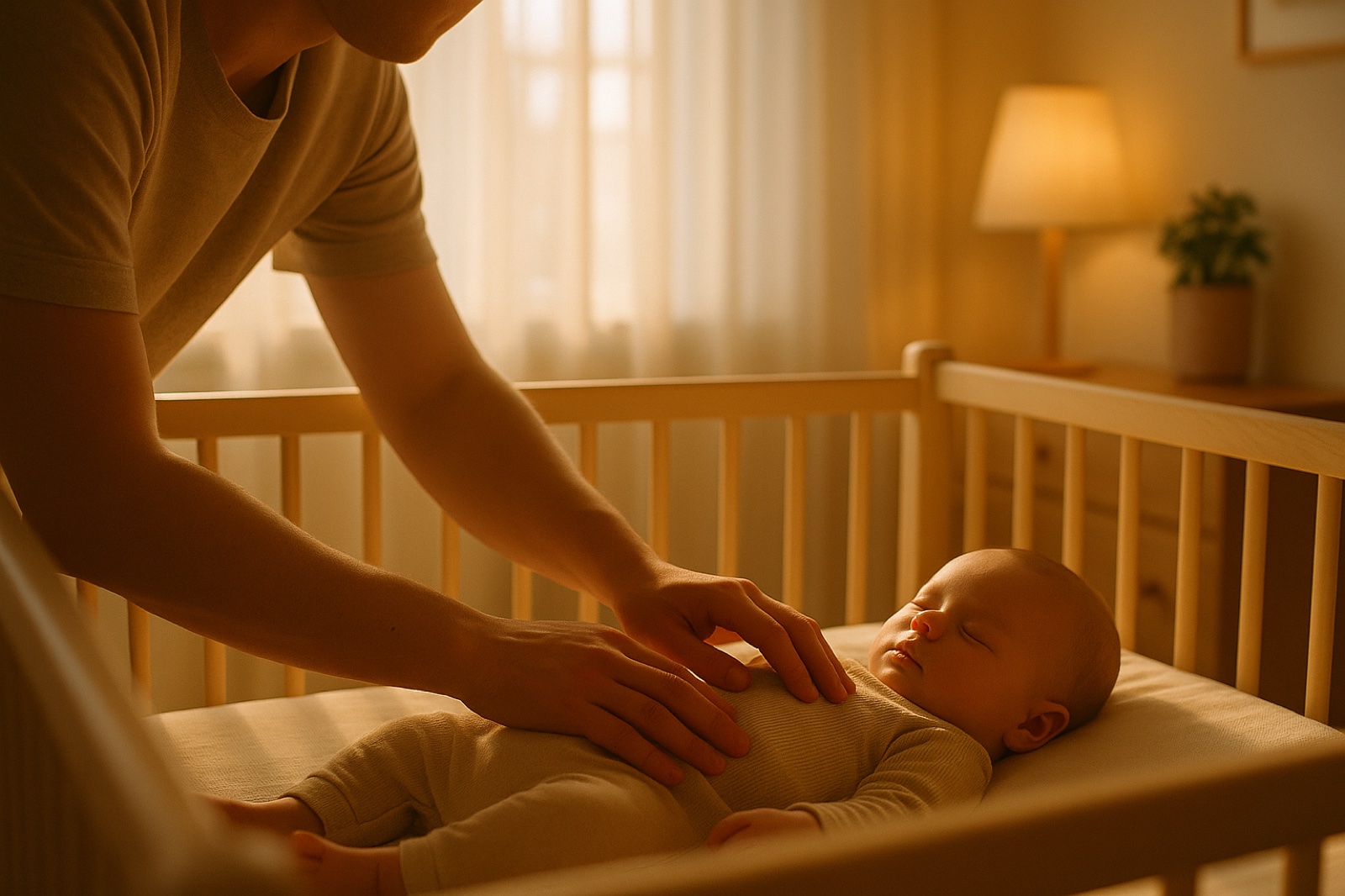
There’s a specific moment a lot of second-time moms describe, almost word for word. The baby stirs — not crying yet, just a small shift in breathing — and you’re already up. You didn’t hear a cry. You didn’t check a monitor. Something in you just knew a beat before the sound came.
With your first baby, you were reading the manual in real time. By the second, you seem to already know the chapter. Scientists just found out why — and it isn’t just practice.
What Actually Happens in a Mother’s Brain the Second Time Around
A team at Amsterdam UMC published a study in Nature Communications in July 2026 that tracked second pregnancy brain changes against first pregnancies for the first time in this kind of detail. Researchers followed 110 women across three groups — women pregnant with a second child, women pregnant with a first, and women who stayed childless — scanning each woman’s brain before and after her pregnancy experience.
The first-pregnancy group showed the largest shifts in something called the Default Mode Network, the system responsible for self-reflection and general social thinking. That’s the part of the brain that helps a new mother reorganize her entire sense of identity around this new person she’s suddenly responsible for.
The second-pregnancy group showed something different. Their biggest changes weren’t in identity-processing circuits — they were in the networks that control sensory reactivity, sustained attention, and theory of mind. Theory of mind is the brain’s capacity to sense what another person is thinking or feeling without being told — the exact skill behind knowing a baby needs something before a single sound is made.
In other words: the first pregnancy seems to rebuild who you are. The second pregnancy seems to sharpen how closely you can read someone else, faster and with less friction than before.
The Part That Surprised Even the Researchers
There was a second finding buried in the data that mattered just as much as the headline. Women whose brains showed less pronounced structural change reported more depressive symptoms after birth. The degree of neurological reorganization appeared to offer some real protection against postpartum depression — meaning this rewiring isn’t just a curiosity. It may be doing active, protective work during one of the most vulnerable stretches of a woman’s life.
That reframes the whole conversation. The exhaustion, the hyper-alertness, the way you can’t quite relax even when the baby’s asleep — that’s not a system breaking down under pressure. It’s a system built to intensify exactly when it’s needed most. It’s worth knowing, too, that the signs of burnout nobody warns you about often look identical to this kind of depletion — the difference is knowing which one you’re actually carrying.
Not a Glitch. A Design.
It’s worth sitting with that for a second. A body under that much strain — sleep-deprived, stretched thin, running on fumes most days — is still capable of building a more precise, more attuned version of itself. Not despite the demand. Because of it.
Ancient wisdom got there long before any MRI machine did. Across centuries of spiritual writing, the recurring idea isn’t that a mother’s devotion is a happy accident of hormones — it’s that she was knit together, deliberately, by something bigger than biology, with exactly the capacity her child would need. Science is only now catching up to a truth that’s been sitting quietly in scripture and tradition for thousands of years: nothing about how you were made was left to chance.
That doesn’t erase how tired you are. It reframes what the tiredness is for — and if you’ve ever wondered what actually defines “family” beneath the surface-level definition, this kind of built-in devotion is a pretty strong clue.
What This Actually Means for You
If you’re in the thick of it right now — up before the cry, running on instinct more than sleep — a few things are worth carrying with you from this:
- Trust the instinct without needing to explain it. You don’t have to justify how you knew. The knowing is the point.
- Let this be permission to rest, not another item on the list. A brain doing this much fine-tuned work in the background needs real recovery, not guilt for needing it. If that feels impossible some days, you’re not the only one trying to hold everything together right now.
- You’re not imagining the difference. If this pregnancy has felt different from the last one — sharper, more attuned, more exhausting in a new way — the research says you’re not wrong.
Motherhood has a way of asking more of you than seems reasonable, and then, somehow, building you into someone capable of meeting it. That’s not luck. That looks a lot like design.
Discussion Question
Do you think a mother’s intuition is something she learns through repetition — or something she was built to have from the very start? Tell us what your own experience says in the comments.
Share This
- They finally found the science behind “mom’s intuition” with baby #2 — and it’s not in your head. Your brain is literally rewired to sense what your child needs before they cry. 🤯
- New 2026 brain study: a second pregnancy doesn’t just tire you out, it sharpens the exact part of your brain that senses your child’s needs before they ask. Wild to see the science finally catch up to what moms have always known.
- The exhaustion is real. So is this: a 2026 study found the brain changes during a second pregnancy specifically strengthen the ability to sense a child’s needs before they cry — and the effect may even protect against postpartum depression.
Questions People Are Asking
What did the 2026 study find about second pregnancy brain changes?
Researchers at Amsterdam UMC found that a second pregnancy reshapes the brain differently than a first. Instead of the largest changes happening in the Default Mode Network (linked to self-identity), second pregnancies produced the biggest shifts in networks tied to sensory reactivity, attention, and theory of mind — the ability to sense what another person needs without being told.
How is a second pregnancy different from a first pregnancy for the brain?
A first pregnancy mainly reorganizes identity-related brain networks as a woman adjusts to becoming a mother. A second pregnancy instead sharpens networks involved in reading and anticipating another person’s needs, building on the foundation the first pregnancy already laid.
Does this explain what people call “mother’s intuition”?
It offers a real neurological basis for it. The theory-of-mind network changes identified in the study are directly tied to sensing a child’s needs — including anticipating them before the child cries or asks — which lines up closely with what’s commonly described as maternal intuition.
Where was this pregnancy brain research published?
The study was conducted by Amsterdam UMC and published in the journal Nature Communications in July 2026, and has since been covered by outlets including ScienceAlert, National Geographic, and SciTechDaily.
Is there a link between these brain changes and postpartum depression?
Yes. The study found that women with less pronounced brain changes reported more depressive symptoms after birth, suggesting the degree of neurological reorganization may offer some protective effect against postpartum depression.