 0
0
 0
0
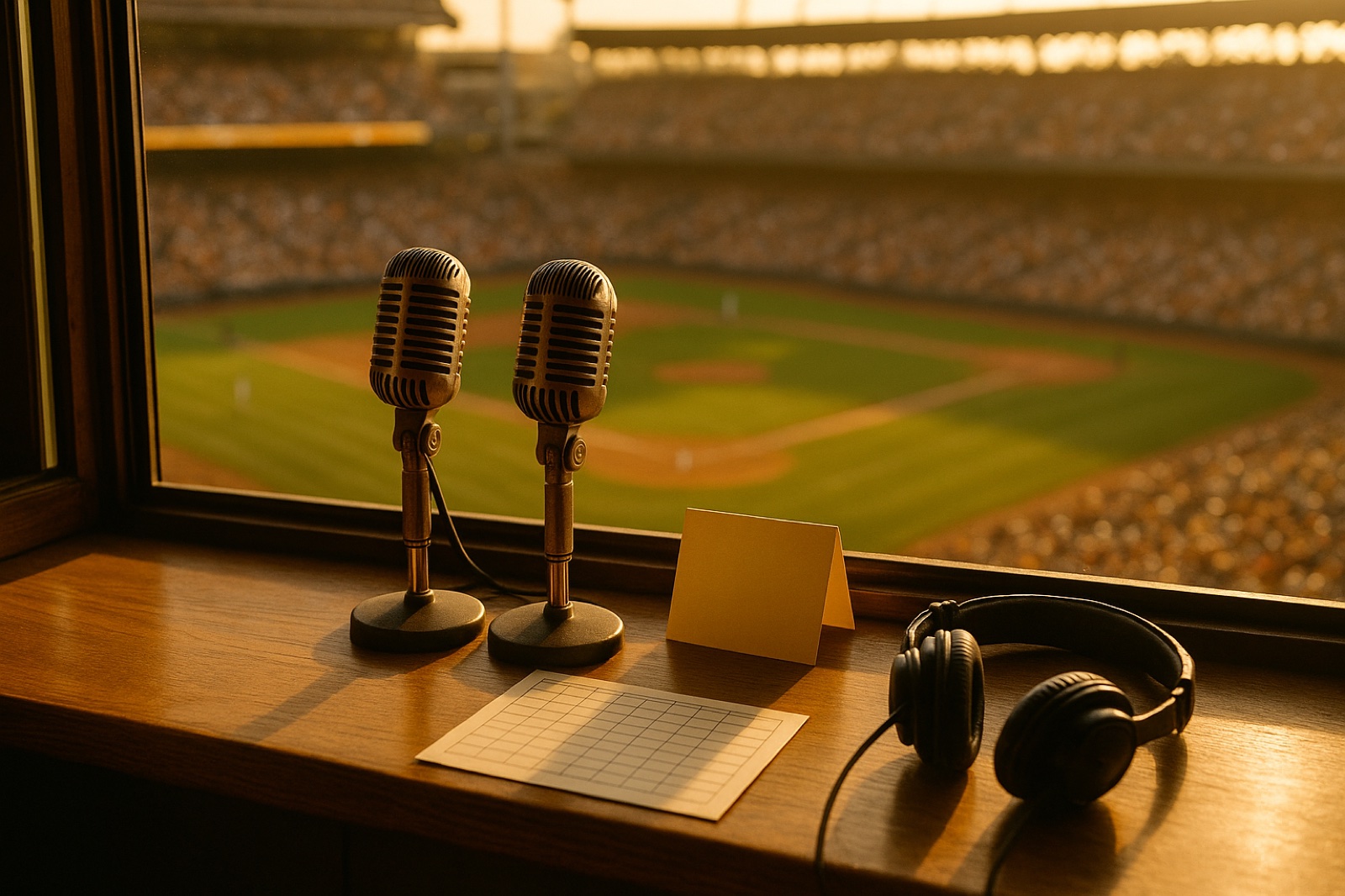
For 37 seasons, Mike Krukow was the voice people heard when the San Francisco Giants played. On Sunday, September 27, 2026, he called his last game. He is 74. He did it from a wheelchair.
In the weeks before, he noticed something. He told NBC Bay Area that once he announced he was retiring, “people feel an urgency to come to me and tell me thank you.”
Read that line again. An urgency. The thank-yous were always there. People had been grateful for years. What changed was the calendar. An ending was coming, so suddenly the words had to be said.
Most of us do exactly this. We save our thank-yous for goodbyes. Here is why, what one simple experiment found about it, and how to stop waiting for the last game.
Who Is Mike Krukow, and Why Did He Retire?
Before the microphone, Krukow was a pitcher. He played 14 seasons in the major leagues, from 1976 to 1989. In 1990 he started broadcasting Giants games, and he never really left. Over the years he won 13 Emmy Awards for his work and was named California’s Sportscaster of the Year three times.
You do not need to know anything about baseball to understand what he was to people. He was a voice in the kitchen on summer evenings. A voice in the car on the way home. For a lot of families, he was simply part of the sound of life for more than three decades.
Krukow has spoken openly about why he is stepping away. He has inclusion body myositis, a disease that slowly weakens the muscles. He said his health “makes it unsafe to be doing the job.” He announced in August that 2026 would be his last season.
On his final day, the Giants renamed the broadcast booth after him and his longtime partner, Duane Kuiper. The team’s president, Larry Baer, said Krukow “has been our spiritual leader.”
If you read our piece on Rick Rizzs’ last call after 41 years in Seattle, you will notice the same thing happened in two cities on the same weekend. Two long-time voices signing off. Two crowds suddenly finding the words.
Why Do We Save Our Thank-Yous for Goodbyes?
It is not because we are ungrateful. Many of the people thanking Krukow this month had probably felt that way for years. So why wait?
A few very ordinary reasons get in the way:
- We assume they already know. Surely he knows people love his work. Surely your mum knows you appreciate her. So saying it feels unnecessary.
- We worry it will be awkward. Saying something heartfelt out of nowhere feels strange. What if they don’t know how to respond?
- We worry about getting the words right. It seems like a thank-you should be said well, or not at all.
- There is always tomorrow. Until, suddenly, there isn’t.
An ending removes every one of those excuses at once. You cannot assume they know anymore, because you may not get another chance. Awkwardness stops mattering. Perfect words stop mattering. The goodbye gives us permission to say what we meant all along.
What an Experiment on Thank-You Letters Found
Here is the part that surprised researchers, and it may surprise you too.
In 2018, two psychologists, Amit Kumar and Nicholas Epley, published a study in the journal Psychological Science called “Undervaluing Gratitude.” Across three experiments, they asked people to write a short letter of thanks to someone who had mattered to them. Before sending, the writers predicted how the person would feel. Then the researchers asked the people who received the letters how they actually felt.
The writers consistently got it wrong, and always in the same direction:
- They underestimated how surprised the other person would be to learn why they were appreciated.
- They overestimated how awkward the other person would feel.
- They underestimated how good the letter would make the other person feel.
The writers also worried a lot about saying it well. The people receiving the letters cared far less about that. It was the warmth that landed, not the wording.
Look at that first finding again, because it answers the “they already know” excuse. People were surprised. They did not already know. Or at least, they did not know why – which specific thing had mattered, which moment had stayed with someone for years.
So the very reasons we give for waiting are the ones this research found to be mistaken. The awkwardness is smaller than we think. The words matter less than we think. And the person probably does not know as much as we assume.
The Hallway Moment
Krukow told one story about telling his partner he was done. It was not a big speech. He said: “We’ve been through so much life together… in the end, it was just in the lunchroom… I said, I think I’m done.”
Then: “It got quiet. I was rolling down the hallway. He just put his arm on my shoulder. We didn’t say anything.”
That might be the truest thank-you in the whole story. No words at all. Just someone who stayed close, right there in the hard moment, instead of waiting for the ceremony.
A lot of people who pray say this is what God’s nearness actually feels like, more than any speech. Not a grand announcement. Something closer to a hand on the shoulder in a quiet hallway. Present before the goodbye, not only at it. It is worth wondering whether the people in our own lives are waiting for that kind of nearness from us – not someday, but now, while the game is still on.
How to Say Thank You Before the Last Game
None of this needs money, time off, or a special occasion. A few simple ideas:
- Pick one person today. Not a list. One. Someone whose voice has been part of the background of your life.
- Name the specific thing. “Thanks for everything” is kind. “I still think about the night you drove me home and didn’t ask questions” is the thing they will remember. The study suggests the specific reason is exactly what surprises people.
- Keep it short. Two or three sentences in a text message is enough. Do not wait until you can write it perfectly.
- Don’t expect a big reply. They may not know what to say. That is fine. The research suggests it landed anyway.
- If you can, just show up. Sometimes the thank-you is a hand on the shoulder, not a sentence.
If someone you love is near the end of their life, this matters even more – and it is often simpler than people fear. Our guide on what to say to someone who is dying covers the few sentences that matter most. But please don’t wait for that moment if you don’t have to.
There is a reason so many final moments in sport get to us, whether it is a broadcaster’s last call or Justin Verlander asking what he was saving his arm for. They remind us that everything we love has a last game. We just don’t usually know which one it is.
Mike Krukow got a whole season of thank-yous because he could see his ending coming. Most people won’t get that warning. So the thank-you you’ve been saving for someone – the one you keep meaning to say – it might be worth saying this week. While they can still hear it. While it can still surprise them.
Discussion Question
Why do you think it takes an ending for most of us to say thank you out loud – and is there a voice in your life you’d want to thank before the last game? Share your thoughts in the comments below.
Share This
Mike Krukow said that once he announced he was retiring, people suddenly felt an urgency to thank him. Why do we save our thank-yous for goodbyes? https://bgodinspired.com/?p=117063
A study found people who write thank-you letters underestimate how happy and surprised the other person will be – and overestimate how awkward it will feel. Sent one text today because of this. https://bgodinspired.com/?p=117063
“He just put his arm on my shoulder. We didn’t say anything.” Sometimes the best thank-you isn’t a speech. Beautiful read on Mike Krukow’s last broadcast: https://bgodinspired.com/?p=117063
Questions People Ask (Q&A)
Why did Mike Krukow retire from broadcasting?
Mike Krukow, the San Francisco Giants broadcaster, retired at the end of the 2026 season because of inclusion body myositis, a disease that slowly weakens the muscles. He said publicly that his health made it unsafe to keep doing the job. He called his final game on September 27, 2026, against the Los Angeles Dodgers.
How long was Mike Krukow a Giants broadcaster?
Mike Krukow broadcast San Francisco Giants games from 1990 through 2026, which is 37 seasons. Before that he pitched in the major leagues for 14 seasons, from 1976 to 1989. On his final day, the Giants renamed their broadcast booth after him and his longtime partner Duane Kuiper.
Why do people wait until a goodbye to say thank you?
People often delay saying thank you because they assume the other person already knows they are appreciated, worry the moment will feel awkward, or fear they won’t find the right words. An ending, such as a retirement or a move, removes those worries because it may be the last chance. Research suggests those worries are mostly mistaken to begin with.
Do people underestimate the effect of saying thank you?
Yes. A 2018 study by psychologists Amit Kumar and Nicholas Epley, published in Psychological Science, found that people who wrote thank-you letters underestimated how surprised and happy the recipients would feel, and overestimated how awkward the recipients would feel. The recipients cared about the warmth of the message far more than how well it was written.
What is the best way to thank someone who has mattered in your life?
The most effective thank-you is usually short and specific. Name the particular thing the person did and why it stayed with you, send it in whatever simple way you can, such as a text or a note, and don’t wait until you can say it perfectly. Being present with someone in a hard moment can also be a powerful way of saying thank you without words.