 0
0
 0
0
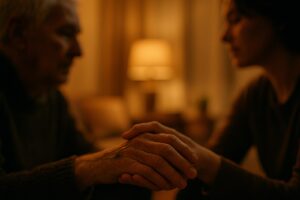
Picture a decade of your life shaped by one thing you never chose: pain that never fully leaves. It decides what you can do today. It decides what you have to skip. It becomes, quietly, part of how you think of yourself — not as a person who happens to hurt, but as “the person in pain.”
Now picture that story ending. Not fading. Ending — on a specific day, with a specific sentence you finally get to say out loud.
That’s roughly what happened to Lindsey Vonn, and her Lindsey Vonn comeback story is turning into one of the stranger, more hopeful plot twists in sports this year.
Why Lindsey Vonn Walked Away From Skiing in 2019
For most of her career, Vonn wasn’t just good at downhill skiing — she was the best there had ever been. More World Cup wins than any woman in the sport’s history. Three Olympic medals. A body of work most athletes would call a career, then some.
But by 2019, her knees had absorbed almost two decades of the fastest, most punishing sport on snow. She retired that year not because she’d lost her edge, but because her body had run out of road. She spent years after that managing chronic pain — the kind that doesn’t announce itself dramatically, it just sits in the background of every ordinary day, quietly setting the terms.
Athletes walk away from their sport for all kinds of reasons, and how they do it says something about who they are. John Cena’s retirement after 23 years in the ring was framed around finishing well. Vonn’s 2019 exit looked like the same kind of ending — a body that had given everything, stepping aside with nothing left to give.
Life After Chronic Pain: What Actually Changed
Here’s the part of the story that makes the Lindsey Vonn comeback different from a typical sports return. She didn’t just “push through” and go back. Roughly a year ago, after knee surgery, she rejoined the U.S. Ski Team — and this time, something about her body was actually different. Not managed. Different.
She’s since said it plainly, in interviews covered by outlets like Andscape and Flashscore this August: “I’m not the person that’s in pain anymore. I’m the person that’s living my best life every single day.”
Read that sentence again, because the shift in it is the whole story. She didn’t say she’d gotten better at coping. She said she is a different person now — present tense, no qualifier. That’s not the language of endurance. That’s the language of an ending followed by a real beginning.
Racing Again at 41, Toward the 2026 Olympics
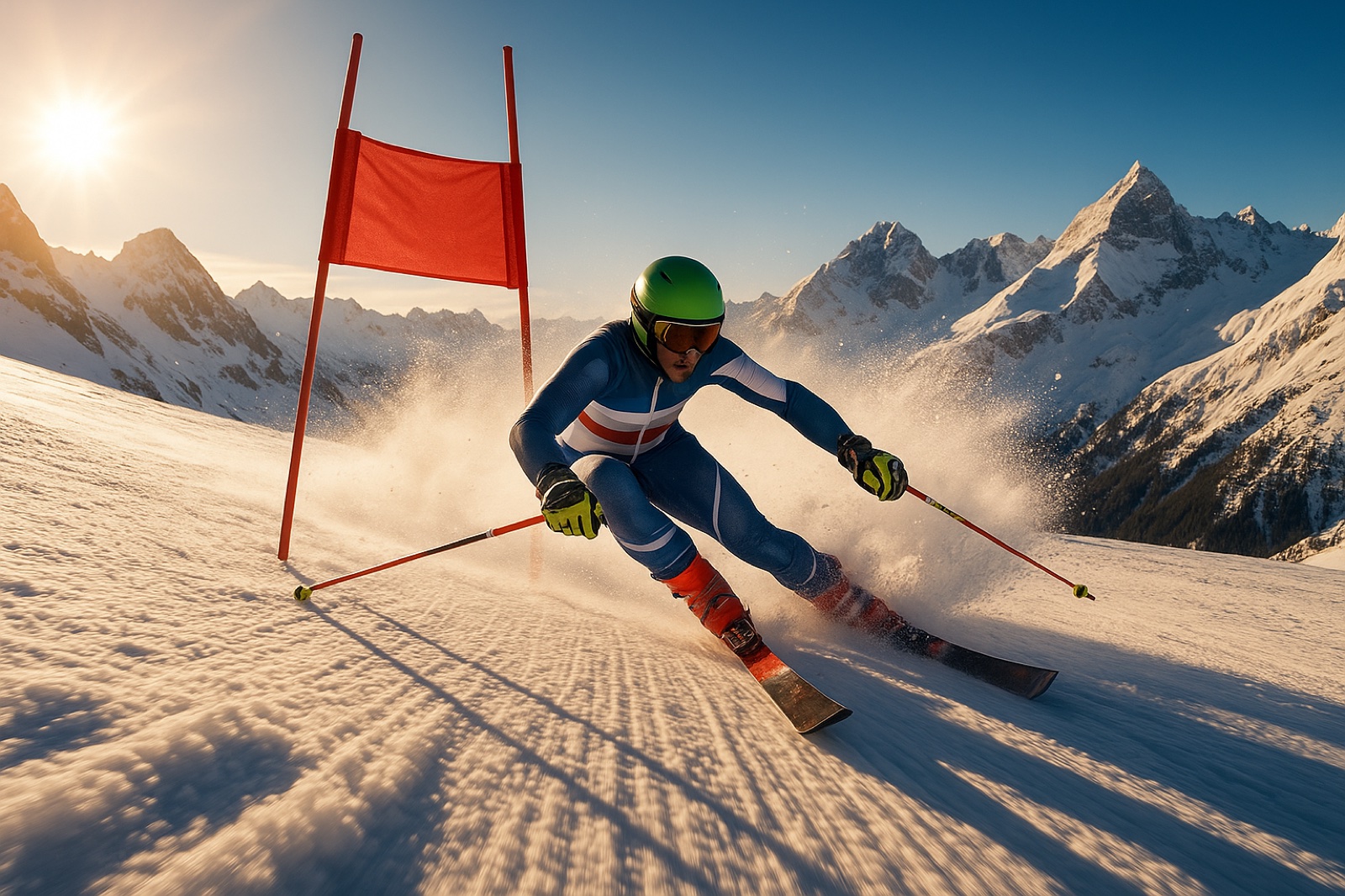
Most athletes don’t get a genuine second act in the same sport, at the same level, on the same mountains. Vonn is chasing a spot at the 2026 Winter Olympics at 41 — an age where most alpine skiers have been retired for a decade. It’s not a nostalgia lap. She’s actually racing.
Sports has been handing us a string of these stories lately. women’s professional baseball returned after 70 dark years, built on the same quiet conviction Vonn seems to be running on: that a closed chapter isn’t always the last one. Something that looked finished wasn’t finished. It was just waiting for the right conditions to open back up.
What makes Vonn’s version land differently is that it isn’t a comeback built on stubbornness alone. It required the actual problem — the pain itself — to genuinely resolve. Grit doesn’t do that. Something else has to.
A Promise Older Than Any Comeback Story
There’s an old idea, much older than modern sports medicine, that shows up in a lot of ancient wisdom traditions: that lost years can be given back. Not just endured, not just made bearable — actually restored, as if the damage itself gets undone rather than merely survived. It’s a strange promise when you first hear it, because most of us have been taught that time and loss are the one thing you never get back.
Vonn’s own words brush right up against that idea without meaning to. She isn’t describing herself as someone who finally learned to live with less. She’s describing restoration — the years the pain took, handed back. Whether or not she’d ever put it in those terms, it’s hard to hear “I’m not the person in pain anymore” and not sense something bigger than physical therapy underneath it. Call it grace, call it God, call it whatever you want — something restored what should have just stayed broken.
What This Means If Your Chapter Hasn’t Closed Yet
Most people reading this aren’t Olympic skiers, and most chronic pain doesn’t resolve as cleanly or as publicly as Vonn’s has. That’s real, and it matters to say so plainly — a story like this can sting if your own pain is still very much present tense.
But the encouraging part isn’t really about skiing. It’s about the possibility that a season you’ve written off as permanent might not be the final word. Some people are still waiting for their own version of that sentence — “I’m not the person in pain anymore” — and haven’t gotten to say it yet. If that’s you, this piece on what happens when illness doesn’t get better is worth reading; not every restoration looks like a full recovery, and there’s real comfort in the ones that look different.
Vonn’s story doesn’t promise everyone a clean ending. But it’s a reminder that “permanent” is a word we use about pain more often than pain actually earns.
Questions People Are Asking About Lindsey Vonn’s Comeback
Why did Lindsey Vonn retire from skiing in 2019?
Vonn retired in 2019 after years of knee injuries and chronic pain from nearly two decades of elite downhill and giant slalom racing. She had already become the winningest woman in World Cup skiing history, but her knees had reached a point where continuing to race competitively was no longer sustainable.
Is Lindsey Vonn skiing competitively again?
Yes. Roughly a year after knee surgery, Vonn rejoined the U.S. Ski Team and returned to World Cup competition, with her sights set on qualifying for the 2026 Winter Olympics at age 41.
What did Lindsey Vonn say about being pain-free?
In interviews this August, Vonn said, “I’m not the person that’s in pain anymore. I’m the person that’s living my best life every single day” — describing a real shift in how she experiences her body and her daily life compared to her years of chronic pain.
How old is Lindsey Vonn and is she really competing at the Olympics?
Vonn is 41 and is actively pursuing a spot in the 2026 Winter Olympics in alpine skiing, an unusually late-career return for the sport.
What does Lindsey Vonn’s comeback teach about second chances?
Her story suggests that some chapters we assume are permanently closed — whether it’s an injury, a season of pain, or a dream we’ve written off — aren’t always the final word. Real restoration, physical or otherwise, is possible even after years of believing otherwise.
What Do You Think?
If a season of your life that felt permanently closed suddenly reopened tomorrow, what would you do differently with it? Drop your answer in the comments — even a one-line thought counts.
Share This
“Lindsey Vonn just said ‘I’m not the person in pain anymore’ — at 41, chasing the 2026 Olympics after a decade of chronic pain. Some chapters really aren’t the last one.”
“Lindsey Vonn’s comeback isn’t about grit. It’s about the pain actually ending. That distinction matters more than we usually admit.”
“Everyone’s writing about Lindsey Vonn’s Olympic comeback. The part that stuck with me: she didn’t say she got used to the pain. She said she’s a different person now.”