 0
0
 0
0
Devotional: Mapping Nature’s Future – The Role of Geographic Information Systems in Conservation Efforts
Scripture Focus: Psalm 24:1-2 (NIV):
“The earth is the Lord’s, and everything in it, the world, and all who live in it; for he founded it on the seas and established it on the waters.”
Reflection
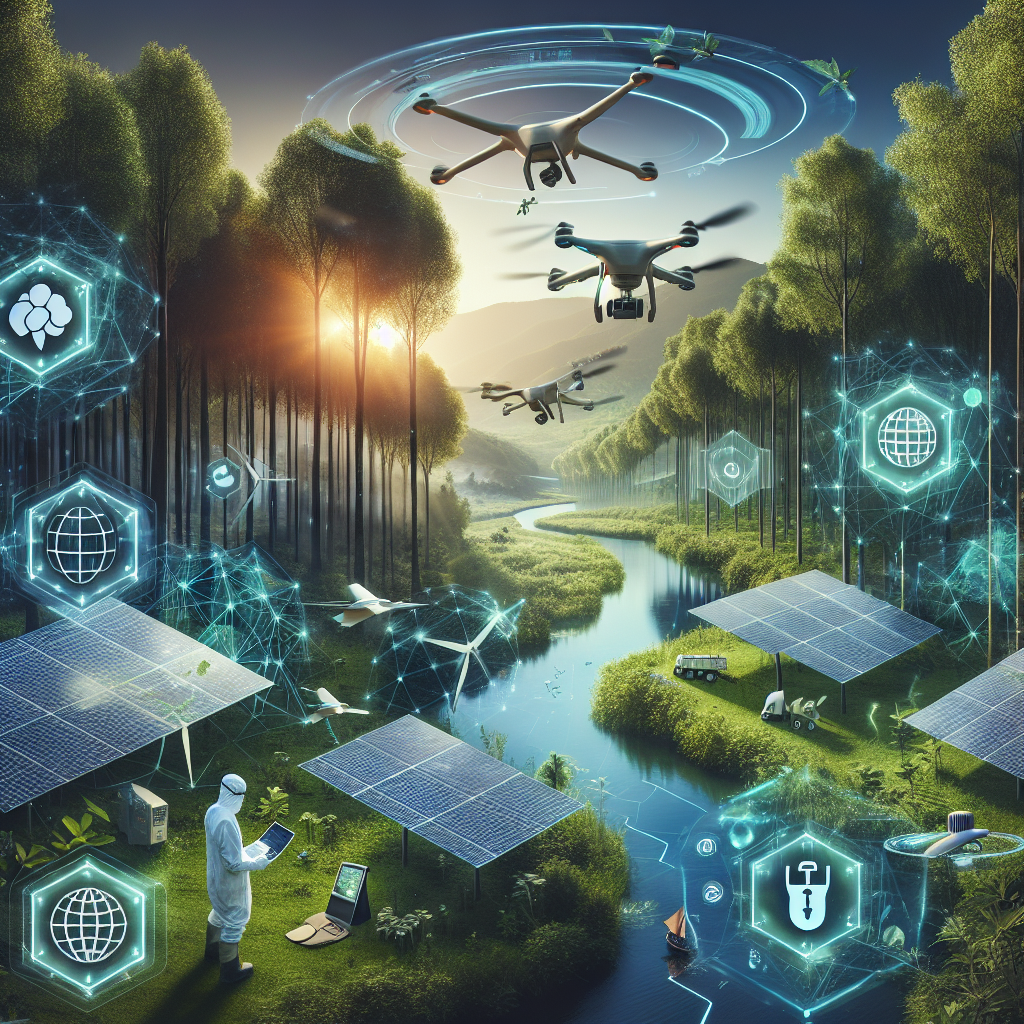
God’s creation is a masterpiece of interconnected ecosystems, vibrant wildlife, and expansive landscapes. It reflects His glory and creativity. As stewards of this Earth, God calls us to protect and preserve the wonderful habitats and species that share our planet. One of the most powerful tools we have in this mission is Geographic Information Systems (GIS), which leverage technology to map and analyze our natural world.
GIS allows us to visualize complex environmental data, identifying trends, changes, and areas of concern over time. It empowers conservationists to track endangered species, monitor habitat loss, and influence policy decisions for ecological preservation. Imagine being able to pinpoint areas at risk of deforestation or to map migration patterns of wildlife—all in real-time!
As we delve deeper into the beauty of God’s creation, we discover how GIS illuminates the path forward. It shows us where our efforts can make the most significant impact and where we might be able to intervene in meaningful ways.
God’s Positive Fingerprints
In the very act of moving through life, we encounter evidence of God’s fingerprints in our world. The intricate design of ecosystems, the symbiosis between species, and the delicate balance of nature all testify to a Creator who cares for His creation with purpose and intent. GIS serves as a modern-day tool reflecting this divine order, allowing us to continue the work of carefully maintaining and restoring our planet.
Consider how God gave humanity the responsibility in Genesis 2:15 to “work it and take care of” the Garden of Eden. GIS aligns perfectly with this divine mandate. By using technology that maps land use, biodiversity, and climate change, we can actively fulfill our calling as caretakers of the Earth.
Action Steps
-
Educate Yourself: Start by learning about how GIS is used in local and global conservation efforts. Explore organizations that utilize GIS for environmental protection and understand the specific challenges they address. Many resources are available online, and local universities may offer workshops.
-
Get Involved: Locate conservation groups in your area that use GIS in their work. Volunteer your time, skills, or even advocate for their projects. You can offer your expertise in mapping, or you can help gather data through citizen science projects.
-
Advocate for Nature: Use your voice to promote the importance of technology in conservation. Share your newfound knowledge with friends, family, and community members. Encourage local governments to invest in GIS technology to support environmental decision-making.
-
Pray for Creation: Dedicate specific times each week to pray for the health of our planet. Ask for wisdom for leaders and scientists focused on conservation efforts. Pray for God’s creation, that it might flourish.
Closing Prayer
Heavenly Father, thank You for the awe-inspiring beauty of Your creation. Help us to be faithful stewards of the earth You’ve entrusted to us. May we embrace the tools You provide, such as GIS, to map and protect the natural world. Enlighten our minds and soften our hearts, so we can recognize and follow Your calling to care for every creature and ecosystem. Give us the courage to take action and inspire the hearts of others as we work together to honor and safeguard Your creation. Amen.
As we set our hearts toward conserving nature, let us remember that every small effort counts in the tapestry of God’s beautiful creation. Together, through education and action, we can map a hopeful future for our planet.
Explore and dig up answers yourself with our BGodInspired Bible Tools! Be careful – each interaction is like a new treasure hunt… you can get lost for hours 🙂