 0
0
 0
0
The Big O: Paradigm City and the Hope of Restoration
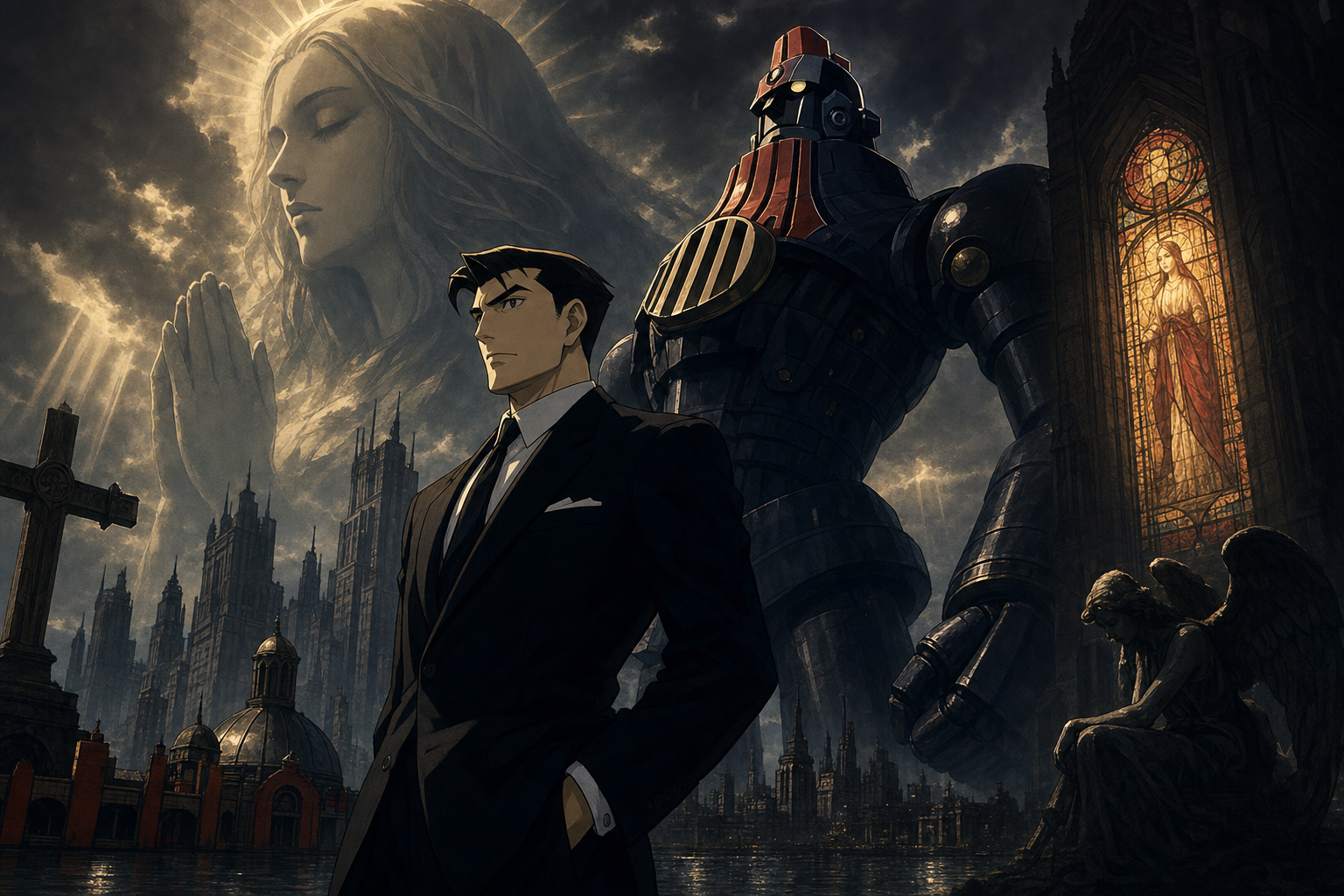
There’s a moment in "The Big O" that’s burned into my memory. It’s when Roger Smith, our negotiator hero, stands firm amid the amnesia-stricken chaos that is Paradigm City. Throughout the series, Roger grapples with a city that’s lost its memories — its collective past shrouded in mystery. One scene that strikes me is when he solemnly reflects on the need for identity, even when the pages of history have been erased. You see it in his eyes: the tension of longing to know and the courage to move forward without answers.
In the heart of Paradigm City, where memories are as elusive as the morning mist, we see a vibrant exploration of identity and purpose. Roger and Dorothy Wayneright, the android with a heart of gold, constantly confront existential questions. In a city devoid of its past, they remind us that memory is not just about looking back — it’s essential for forging ahead. Their connection is a beautiful tapestry of humanity and technology seeking meaning in a world that offers few answers.
This struggle echoes with something deeper. Picture this: the Israelites, post-exile, stepping back into Jerusalem. Like Paradigm City, their history had crumbled into disarray. And in the midst of rubble and uncertainty, Isaiah’s promise emerges: “See, I am doing a new thing! Now it springs up; do you not perceive it?” (Isaiah 43:19). The Israelites were called to embrace new beginnings in a familiar land.
This is where "The Big O" and Isaiah’s words dance together in an unexpected harmony. Roger’s relentless quest to uncover and protect, while holding onto hope, reflects a biblical truth: our identity isn’t just in what we’ve lost, but in what we build anew. It’s about the anticipation of restoration — of making things right not by retrieving every lost memory, but by believing in what is yet to come.
Both Roger’s journey and scripture invite us to wonder: Is our identity tied to what we remember or what we hope to become? The parallel lies not in redemption through recollection but in the forward gaze toward restoration.
For fans of "The Big O," this series isn’t just about giant megadeuses and noir aesthetics. It’s about brushing against these profound questions of identity and purpose. And perhaps the most surprising insight is that both Roger and the biblical narrative beckon us toward an unshakeable hope — a reminder that even when the past is a blur, the promise of restoration remains vivid.
So, next time you find yourself watching Roger confront the unknowns of Paradigm City, imagine him on a path lit not just by unearthing the past, but by the glow of future hope.
Discussion Question
How does the theme of lost memories and the quest for identity in "The Big O" challenge your understanding of identity in scripture’s call for restoration? Let me know in the comments.
Social Share Post
Ever see the link between Roger Smith’s journey in "The Big O" and the hope of restoration in scripture? It’s more vibrant than you think. Check out this piece on @BGodInspired 👇 #TheBigO #FaithInFiction [URL]
If positive Biblical wisdom matters to you, I’d love your support of the mission
Q&A about The Big O (1999-2003)
How can a Christian view the themes of identity in The Big O?
The Big O explores themes of lost identity and self-discovery, which resonate with the Christian journey of finding one’s identity in Christ. In 2 Corinthians 5:17, it is said that if anyone is in Christ, they are a new creation. This mirrors the idea of rediscovering one’s purpose and identity through faith.
Does the show have any themes that relate to redemption?
Yes, The Big O deals with themes of redemption, as characters seek to overcome their past. This aligns with the biblical concept of redemption found in Ephesians 1:7, reminding us that through Christ’s sacrifice, we are forgiven and can start anew. This perspective encourages viewers to embrace transformation.
Is the concept of power and responsibility in The Big O similar to biblical teachings?
The show reflects on power and responsibility, much like the biblical principle in Luke 12:48, which states that from those given much, much is required. This idea prompts believers to consider how they use their God-given abilities and to act justly, stewarding what they have with integrity.
Can watching The Big O help me understand anything about faith?
While The Big O is a secular series, its exploration of hope amidst despair can echo the biblical principle of faith. Hebrews 11:1 describes faith as confidence in what we hope for, and assurance about what we do not see. This ties to how faith can guide us through uncertainty, much like characters in the show navigate their challenges.