 0
0
 0
0
Finding Connection: Komi Can’t Communicate and the Power of Silence
There’s a moment in "Komi Can’t Communicate" where Komi silently stands in the hallway, clutching her notebook, eyes wide with the hope and fear of making a new friend. In that instant, Tadano sees her. Not just the beauty everyone else admires from afar, but the isolation she feels, trapped by her own anxiety. He understands without words, offering a simple kindness that begins to bridge the gap between Komi and the world.
Komi’s journey of connection showcases an incredible truth about human nature: the profound power of presence. Silence, often seen as a void, is her language. Her efforts to communicate remind us that connection doesn’t always need words; sometimes it just needs courage. In Komi’s pauses, her longing to be understood resonates with anyone who has ever felt voiceless or unseen.
This brings us to an unexpected parallel with scripture. In 1 Kings 19, Elijah stands on a mountain, encountering God not in mighty winds or earthquakes, but in a gentle whisper. Like Komi, it’s the quiet that carries meaning. Elijah learns that presence and understanding often dwell in stillness, and it’s here where the divine meets humanity.
Komi’s silent struggle to connect teaches us about the sacredness of listening and being present. Similarly, the story of Elijah reveals that God’s whisper—soft, inviting, patient—illuminates how we can truly notice and understand one another.
So, as we love Komi’s charm and her relentless quest to connect, we see more clearly how our own moments of silence can be powerful. The divine and human overlap in this quiet space, enriching both narratives.
Discussion Question
How does Komi’s silent quest for friendship challenge the way we communicate in our relationships? Let me know in the comments.
Social Share Post
Ever notice how Komi’s silence speaks volumes? Just like Elijah finding God in a whisper. Check out this surprising connection: [URL] #KomiCantCommunicate #FaithInSilence
If positive Biblical wisdom matters to you, I’d love your support of the mission
Q&A about Komi Can’t Communicate (2021-Present)
Is watching Komi Can’t Communicate a good use of my time as a Christian?
Komi Can’t Communicate highlights themes of empathy and overcoming personal struggles, which can resonate with the biblical idea of loving others and bearing one another’s burdens (Galatians 6:2). However, it is essential to balance entertainment with spiritual growth, ensuring it doesn’t take away from time spent in prayer or serving others.
How can I relate to Komi’s communication struggles through my faith?
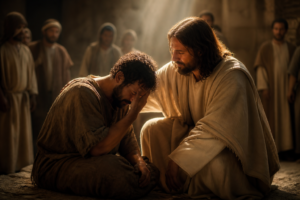
Jesus showed compassion to those who struggled and felt marginalized, reminding us to extend grace and understanding to others (Matthew 9:36). By empathizing with Komi’s challenges, we can reflect Christ’s love in supporting those around us who may also face similar difficulties.
What can Komi’s desire for friendship teach me about community in church?
Komi’s longing for genuine connection mirrors the biblical instruction to live in community and fellowship with others (Hebrews 10:24-25). As Christians, we should strive to build supportive and loving relationships within our church and broader community, looking out for each other’s needs.
How does Komi Can’t Communicate reflect the importance of being kind?
Komi’s interactions teach us the impact of kind words and actions, akin to how the Bible encourages kindness and love in all interactions (Ephesians 4:32). By practicing kindness, we not only uplift others but also honor God through our behavior.