 0
0
 0
0
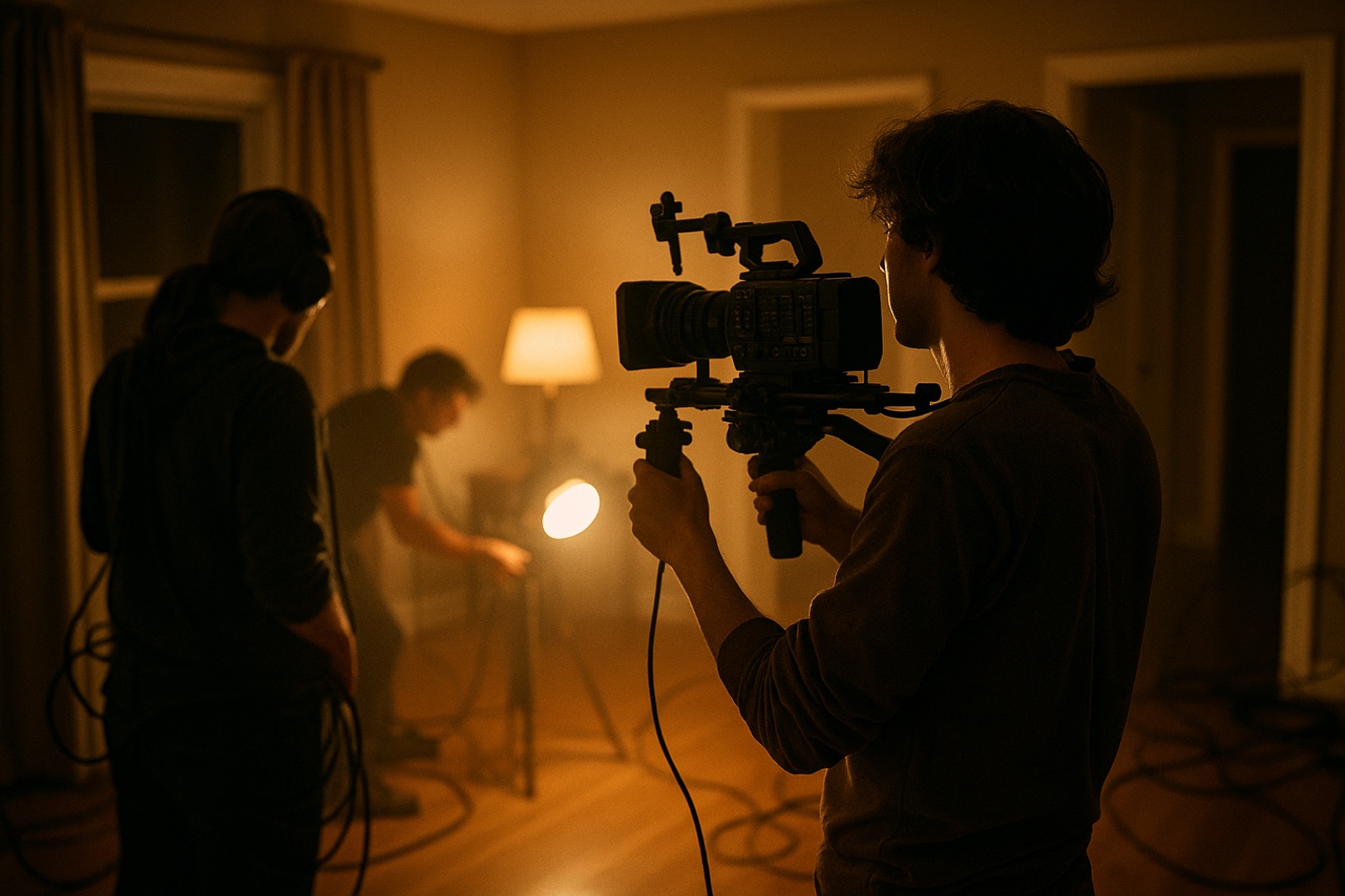
A 26-year-old with no movie-star cast, no franchise name, and a total production budget smaller than the catering budget on most blockbusters just made the biggest movie in the history of one of Hollywood’s most established studios. He shot it in 20 days, in a house, for $750,000.
The movie is called Obsession. Its director is Curry Barker — a name most of Hollywood had never heard a year ago, because Barker didn’t come up through film school or studio internships. He came up making videos on YouTube.
How a $750,000 Horror Movie Beat Every Rule of Obsession Movie Box Office Success
Here’s what the numbers actually say. Obsession cost $750,000 to make — a fraction of what a single visual-effects shot costs in most modern horror films, let alone an entire movie. Focus Features paid $14 million to acquire it, a bet that looked generous at the time for a film with no recognizable stars.
That bet paid off in a way almost nobody predicted. The film has crossed $200 million globally and is now the highest-grossing release in Focus Features’ history — beating out films with A-list casts and marketing budgets many times its size.
What makes the numbers even stranger is their shape. Horror movies almost always drop hard after opening weekend — word travels fast when a scary movie isn’t actually scary, and box office charts usually show a steep decline by week two. Obsession did the opposite. Its second weekend actually grew, up 30 percent over its opening, pulling in $22.4 million. Nobody could point to another wide-release horror film on record that had ever done that. By its fourth weekend, it had dropped only 7 percent, taking in $25.6 million — the best fourth-weekend hold any horror film has ever posted.
In an industry where opening weekend usually tells you everything a movie will ever do, Obsession kept getting bigger the longer it played.
Why an Unknown Director Beat Every Studio Playbook
None of the usual explanations apply here. There was no famous cast to sell tickets. There was no built-in franchise recognition — no comic book, no sequel number, no beloved book series behind it. There wasn’t even a big studio marketing push behind it at first, because nobody at that level was expecting this.
What Barker did have was an audience he had already spent years earning, one video at a time, long before anyone paid him to make a movie. He’d learned how to make people care about a story with almost no resources, because that’s exactly the skill YouTube had already forced him to build. Obsession‘s success wasn’t a fluke that broke the rules of moviemaking — it was proof that the rules studios have leaned on for decades, bigger stars, bigger budgets, bigger marketing, were never actually the whole formula.
It’s a genuinely useful thing to sit with if you’ve ever assumed your own idea needed more money, more connections, or more permission before it was allowed to count. There’s an old pattern that shows up again and again, in stories far older than the movie business: the thing that looks too small to take seriously is often exactly where something real gets its start. Not because small is automatically good — but because the size of a beginning has never reliably predicted the size of what it becomes. Something bigger than a marketing department seems to keep proving that, quietly, in places nobody’s watching, until suddenly everyone is. It’s the same pattern behind some of history’s most overlooked starting points turning into the ones that lasted.
What This Means If You’ve Got a $750 Idea, Not a $750,000 One
Most people reading this aren’t about to direct a movie. But most people have sat on an idea — a business, a book, a skill, a small act of courage — and quietly decided it wasn’t big enough yet to start. Obsession is a loud, very public reminder that “not big enough yet” is usually a story we tell ourselves, not a rule anyone else actually enforces.
Barker didn’t wait for permission from the system that eventually paid him $14 million. He made the thing first, small and scrappy, and let the results argue for themselves. That’s a harder path than waiting to be picked. It’s also, apparently, still the one that works — the same way it worked for another 2026 box office story that broke expectations for entirely different reasons.
If you love finding these unexpected threads running underneath the movies and shows you watch, our free Movies & the Bible assistant does exactly that — it opens in ChatGPT, and a free account works.
A Question Worth Sitting With
Do you think Obsession‘s success proves that budget and star power matter less than Hollywood assumes — or is it a rare exception? What do you think actually made the difference? Tell us in the comments.
Share This
“A 26-year-old made a horror movie for $750K in 20 days. It just became the biggest movie in Focus Features history — with zero stars, zero franchise. Budget was never the whole story.”
“Most horror movies drop hard after opening weekend. Obsession grew 30% in its SECOND weekend instead. No wide-release horror film on record had ever done that before.”
“Curry Barker didn’t wait to be picked. He made his $750K horror movie first and let the results argue for themselves — and it’s now outgrossing every film Focus Features has ever released. Sometimes the small, scrappy start is exactly where something real begins.”
Common Questions About the Obsession Movie Box Office Story
What is Curry Barker’s movie Obsession about?
Obsession is a horror love story written and directed by 26-year-old Curry Barker, a filmmaker who built his early audience and skills making videos on YouTube before moving into feature films.
How much did Obsession cost to make?
Obsession was made for just $750,000 and shot in only 20 days — an extremely small budget and schedule by Hollywood horror standards.
How much money has Obsession made at the box office?
Obsession has crossed $200 million globally, making it the highest-grossing film in the history of Focus Features, the studio that acquired it for $14 million.
Why did Obsession do so well in its second weekend?
Most horror films drop sharply after opening weekend once word spreads about the movie. Obsession did the opposite — its second weekend grew 30 percent over its opening, something no other wide-release horror film on record has done.
Did Obsession have any famous actors?
No. Obsession succeeded with no big-name stars and no built-in franchise recognition, which is part of why its box office run has been considered so unusual for the industry.