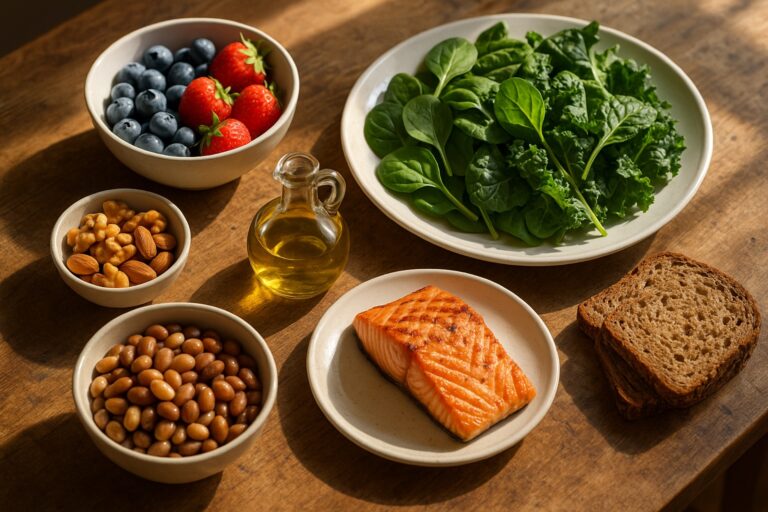

The MIND diet was linked to 20% less grey matter loss, about 2.5 years of slower brain aging, over 12 years. What the study found, its surprise, and its limits.
 0
0
 0
0
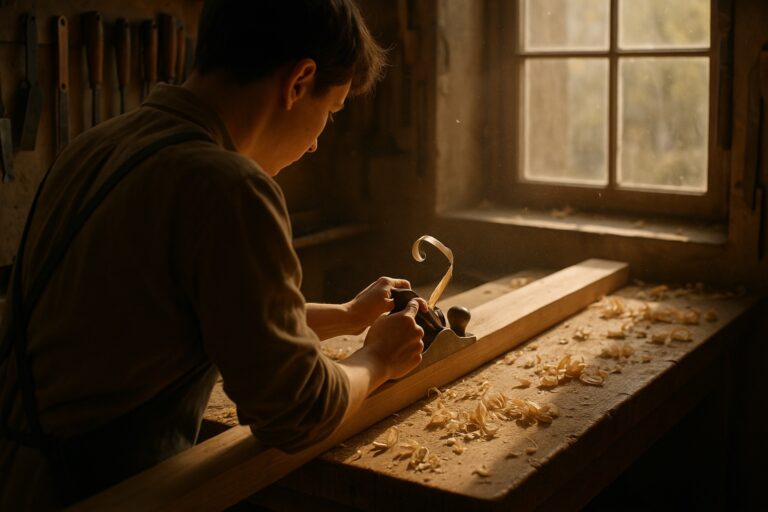
What Is a Flow State? Why Lost Hours Feel So Good
What is a flow state? Why hours vanish when you are absorbed, the 3 conditions that trigger flow, and the surprise: most people find it at work, not on holiday.
 0
0
0
0
Chronic Fatigue: Do 5 Illnesses Share One Root?
A new chronic fatigue study links ME/CFS, long Covid, PTSD, MS and rheumatoid arthritis to shared biology. Experts urge caution. Here is what it really found.
 0
0
0
0
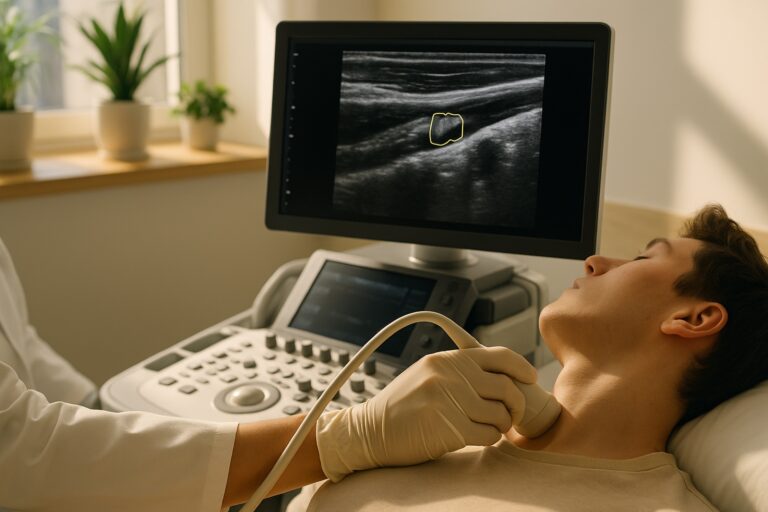
Hidden Artery Plaque Found in 1 in 13 Adults Under 30
Hidden artery plaque turned up in 1 in 13 adults under 30, and in over half of 16,808 people who felt fine. What the scans found, and what they do not mean.
 0
0
0
0
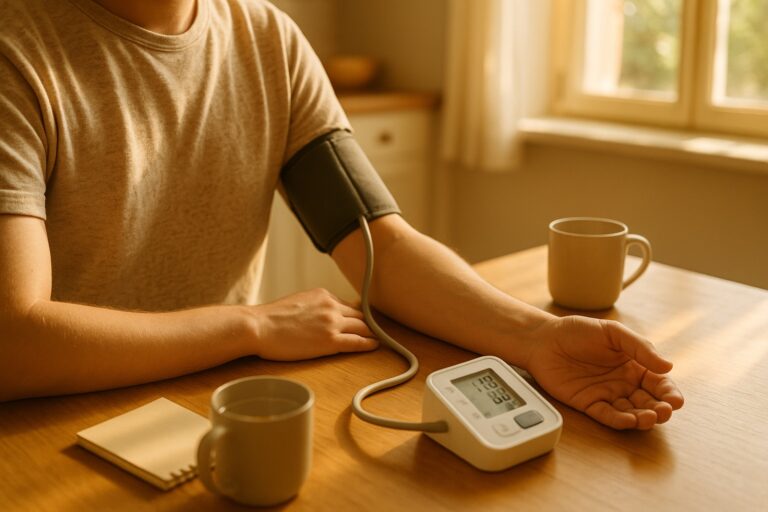
How to Take Blood Pressure Correctly: Where Your Arm Rests Matters
How to take blood pressure correctly: in a Johns Hopkins study, a hanging arm added about 6.5 points to the top number. Here’s the simple setup that reads true.
 0
0
0
0
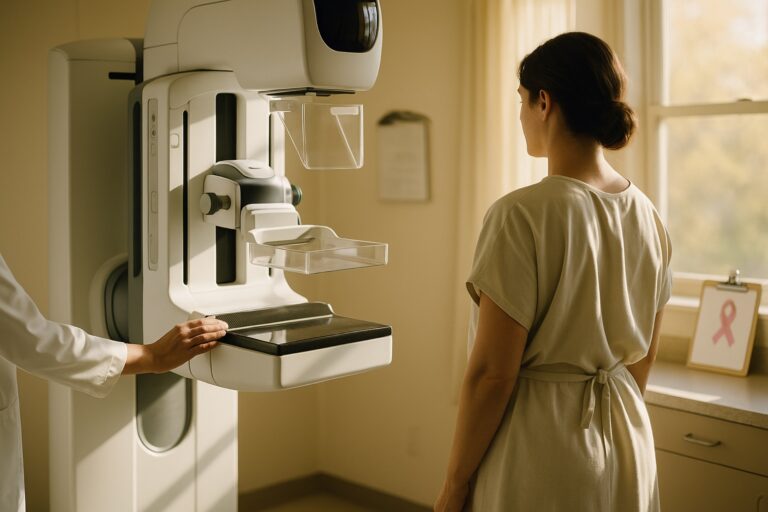
Mammogram Overdiagnosis: New Study Says Below 5%, Not 30%
Mammogram overdiagnosis may be far rarer than the 30-50% once quoted. A new look at all eight big trials puts it below 5%. What it means and what it leaves out.
 0
0
0
0
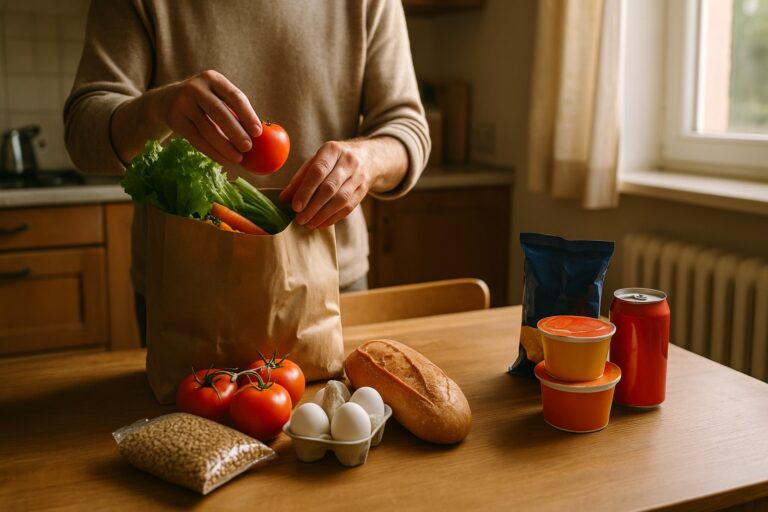
Ultra-Processed Food and Depression: What One Trial Found
Ultra-processed food and depression: 20 people cut ultra-processed food by over 85% for four weeks and their mood lifted. What it shows, and what it does not.
 0
0
0
0
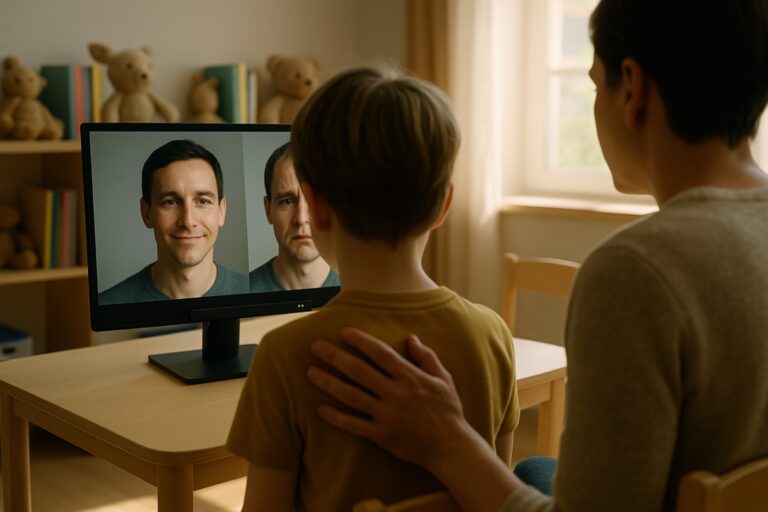
Depression in Children: Why Some Kids Get Stuck on Sad Faces
Depression in children can change what a child looks at. A two-year eye-tracking study of 242 kids found two different paths, and why the gaze matters.
 0
0
0
0
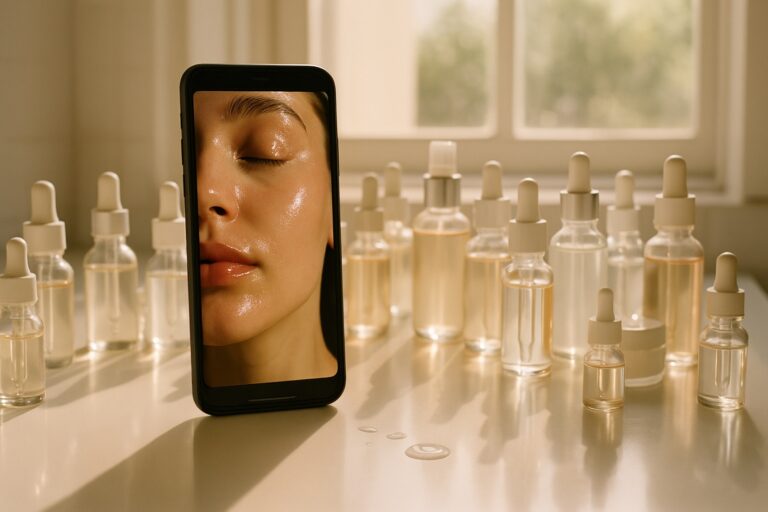
Glass Skin on TikTok: Almost 95% of Viral Videos Made a Misleading Claim
Glass skin videos on TikTok: dermatologists found almost 95% made a misleading claim, and none said to see a doctor. What they found and what skin really needs.
 0
0
0
0
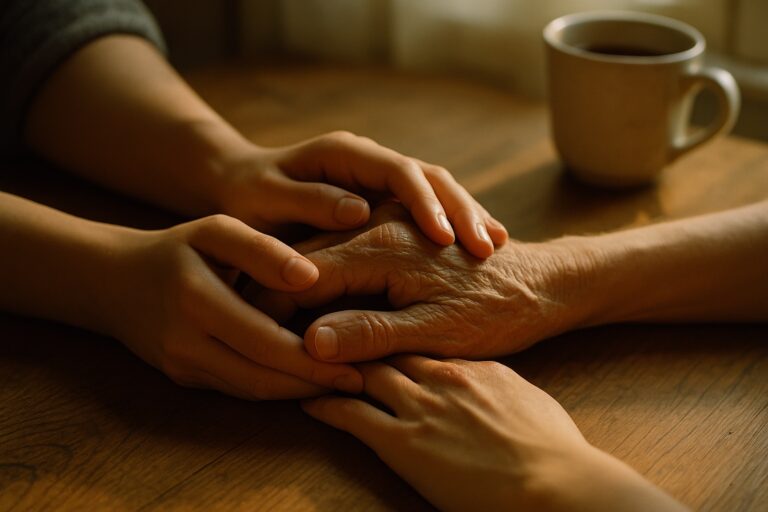
What Does Touch Starved Mean? Jesus Touched the Man First
What does touch starved mean? It is the ache of going too long without safe, kind human touch. What the research shows, free ways to ease it, and an old story.