

Coffee and stress: in a small blinded study, decaf eased stress and low mood just like regular coffee. Here is what was found, and the limits of the finding.

 0
0
 0
0
What Is Nostalgia? It Started Out as a Disease in 1688
What is nostalgia? A bittersweet longing for your own past. The word was invented in 1688 as the name of a disease. Here is what changed, and what it is for.
 0
0
0
0
One CRISPR Dose Cut Bad Cholesterol in Half for a Year
A single CRISPR cholesterol treatment kept bad cholesterol about 50% lower a full year later. What the 15-person trial found, and what it cannot tell us yet.
 0
0
0
0
Sisu Meaning: The Finnish Strength for When You’re Empty
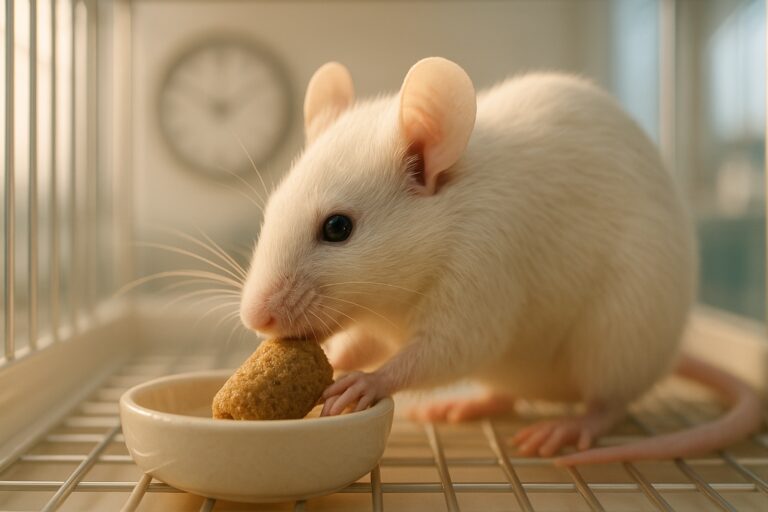
Sisu meaning: the Finnish word for the strength that shows up after you think you’re done, where it came from, and the warning its own researcher gives.
 0
0
0
0
Body Clock and Stroke Recovery: In Mice, the Timing of Meals Helped the Brain Heal
Body clock and stroke recovery: mice that ate only in waking hours, from 3 days after a stroke, healed better. Eating in sleep hours did not help. Here is why.
 0
0
0
0
Scientists Revived Ancient Germ-Fighting Proteins. The Oldest Barely Worked
Scientists rebuilt ancient germ-fighting proteins from extinct mammals. The oldest barely worked, a middle one beat ours, and a cow’s version beat them all.
 0
0
0
0
What Is Imposter Syndrome? It Was Never Called a Syndrome
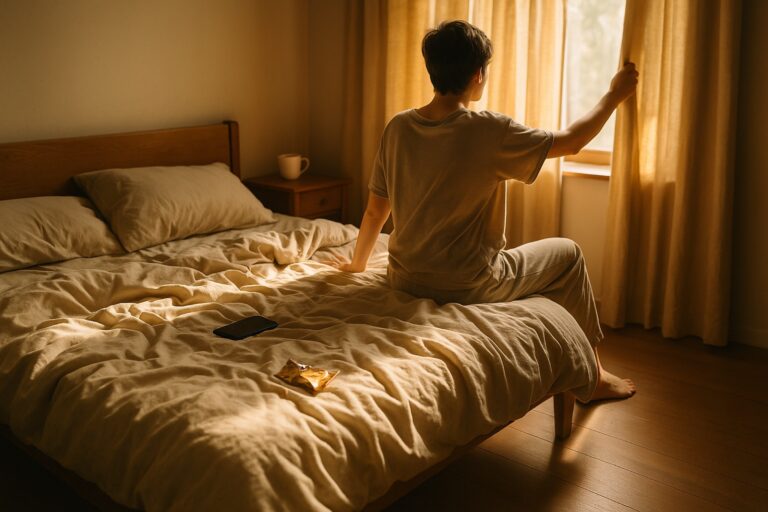
What is imposter syndrome? The psychologists who named it in 1978 never called it a syndrome. What they found, why success won’t fix it, and what helps.
 0
0
0
0
What Is Bed Rotting? When a Day in Bed Helps, and When It Hides
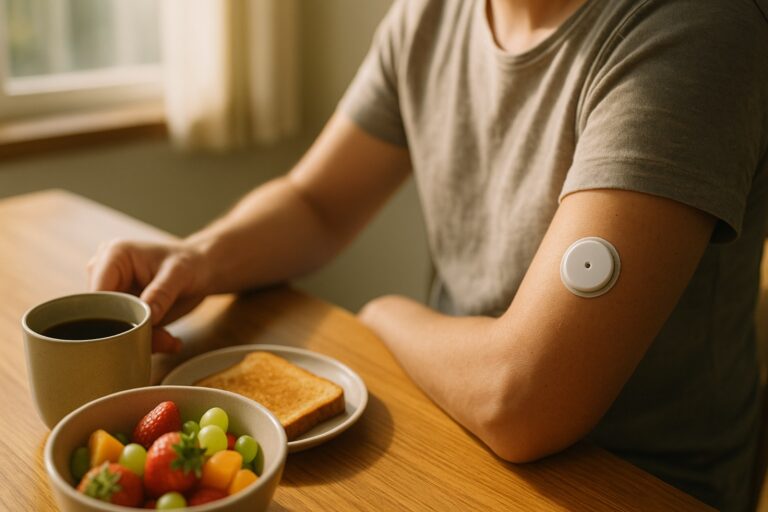
What is bed rotting? Spending a whole day in bed on purpose. When it truly rests you, when it quietly hides you, and one simple test to tell the two apart.
 0
0
0
0
Blood Sugar Time in Range: Why a Flat Line Isn’t the Goal
Time in range matters, but a perfectly flat line may not. A 400-person diabetes study found in-range days led to better next days, and so did a bit more wobble.
 0
0
0
0
Why Rheumatoid Arthritis Pain Lingers When the Tests Look Better
Rheumatoid arthritis pain can linger even when inflammation is controlled. Researchers say depression, poor sleep and pain can feed each other. Here’s why.