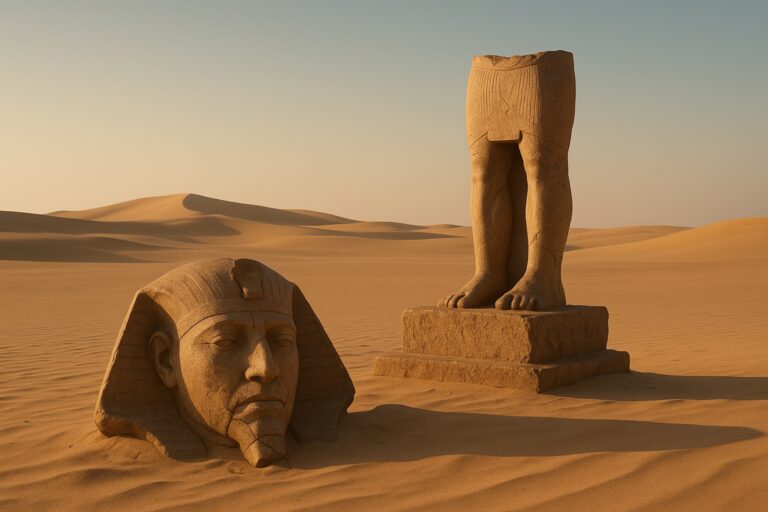

Ozymandias poem meaning: a pharaoh carved a dare in stone, and Shelley turned it into despair. Full text, the real king, and the one thing that lasted.
 0
0
 0
0
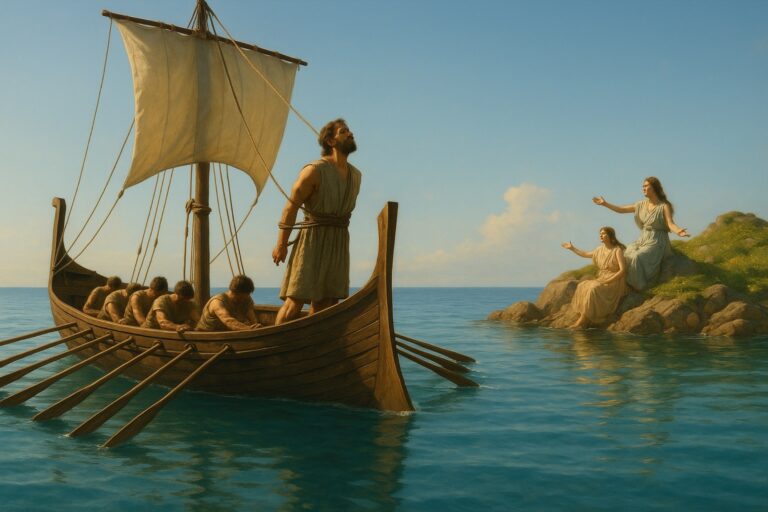
Siren Song Meaning: Odysseus Used Rope, Orpheus Used a Song
Siren song meaning: a sweet call that leads to harm. Odysseus got past the Sirens with rope and wax. Orpheus used music. See which way works best in real life.
 0
0
0
0
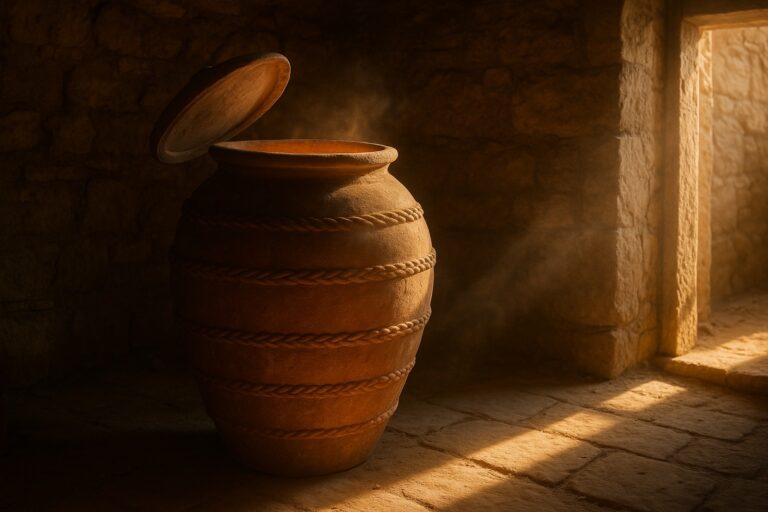
Pandora’s Box Meaning: It Was a Jar, and Hope Stayed In
Pandora’s box meaning: in the oldest Greek telling it was a jar, not a box. Every trouble flew out, and one thing stayed in under the lid. That thing was hope.
 0
0
0
0
Convenience Store Woman Ending Explained: Is Keiko Free?
Convenience Store Woman ending explained: why Keiko walks back into the store, what the last window means, and the one word the English title leaves out.
 0
0
0
0
Digger Movie Meaning: Tom Cruise Plays a Savior Who Saves No One
Digger movie meaning: Tom Cruise plays a billionaire set on proving he is humanity’s savior, yet he saves no one. What the film shows about the savior complex.
 0
0
0
0
Stephen King’s Carrie: Fear Wearing the Clothes of Love
Carrie Stephen King fans: Mike Flanagan’s 8-episode series lands October 7. The real horror was never the powers. It was fear wearing the clothes of love.
 0
0
0
0
The Myth of Sisyphus: Why Camus Said to Imagine Him Happy
The Myth of Sisyphus explained: the Greek story, what Camus’s 1942 essay really argues, and why he said we must imagine Sisyphus happy pushing his rock.
 0
0
0
0
Eleanor Oliphant Is Completely Fine Meaning: Who Really Got Rescued
Eleanor Oliphant Is Completely Fine meaning, read closely: the old man on the pavement is not the one that rescue saves. Look at who stops, and who is told to.
 0
0
0
0
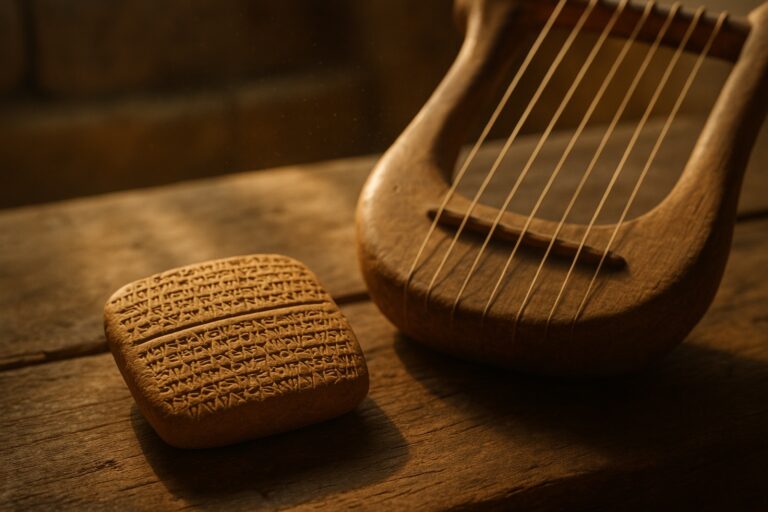
What Is the Oldest Song in the World? Nobody Agrees How It Sounds
What is the oldest song in the world? A 3,400-year-old clay tablet from Syria holds the oldest written tune, but scholars still cannot agree how it sounds.
 0
0
0
0
Timshel Meaning: The Hebrew Word Behind East of Eden
Timshel meaning, explained: the Hebrew word at the heart of East of Eden. Steinbeck read it as ‘thou mayest.’ The real word holds one more idea he left out.