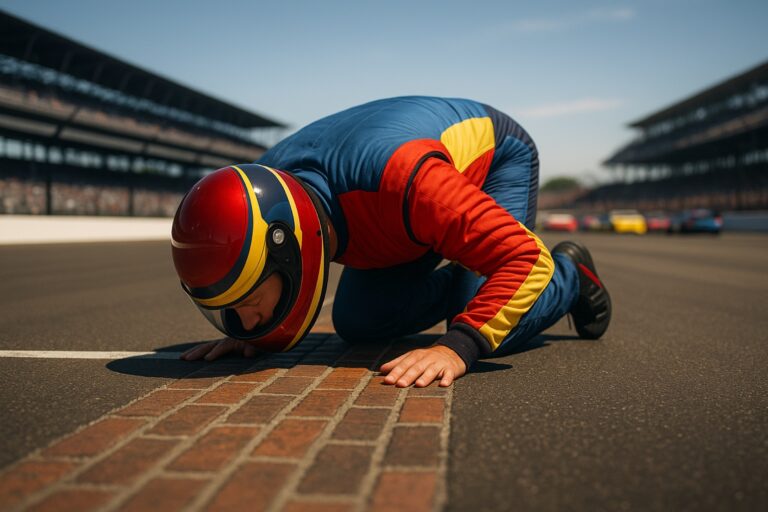

Every Brickyard 400 winner has to kiss the bricks at Indianapolis before anything else. The surprising 116-year-old story behind NASCAR’s strangest ritual.
 0
 0
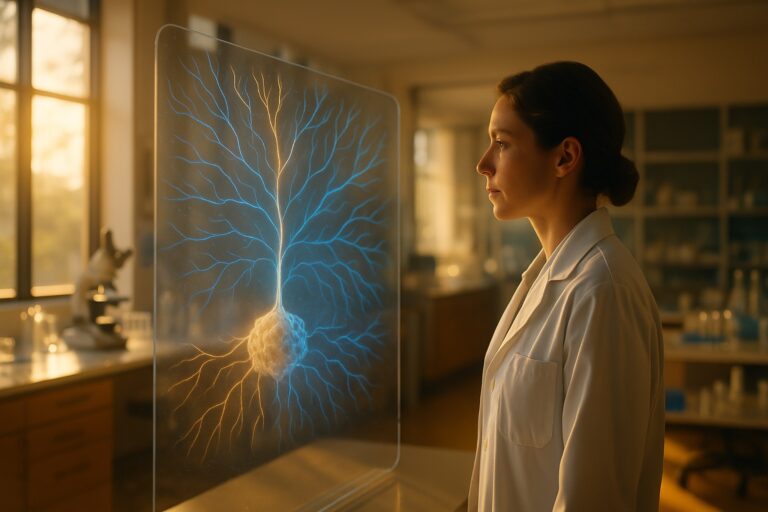
Doctors Are Beating Cancer Drug Resistance Before It Starts
Cancer researchers are now sequencing treatments to outpace drug resistance before tumors even adapt — a strategy of vigilance far older than modern oncology.
 0
0
Google Built an AI That Finds Hidden Software Flaws in Hours. Almost No One Is Allowed to Touch It.
Google’s Gemini 3.5 Flash Cyber can find hidden software vulnerabilities in hours — but it’s restricted to governments only. Here’s why, and what it echoes.
 0
0
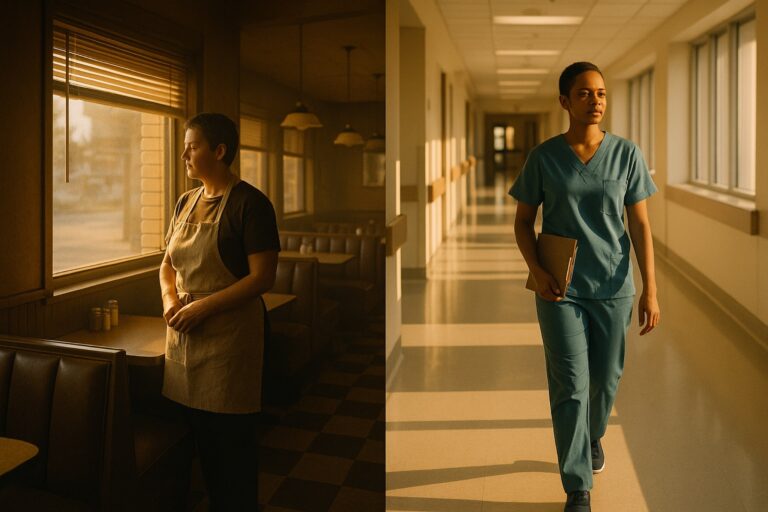
June’s Jobs Report Missed Big — Here’s Why That Matters
The June jobs report added just 57,000 jobs while hospitality lost thousands and healthcare kept growing — here is what an uneven economy quietly reveals.
 0
0
Scientists Found the Real Reason Sleep Falls Apart in Alzheimer’s
New research shows the brain’s own immune cells disrupt sleep in Alzheimer’s, turning rest loss into self-perpetuating harm — here’s what scientists found.
 0
0
DeepSeek and Kimi Are Giving Away Free AI Models That Rival GPT-5 This Week
Two labs are releasing free AI models this week that rival paid tools like ChatGPT. Here’s what open-weight AI actually means — and what it costs you.
 0
0
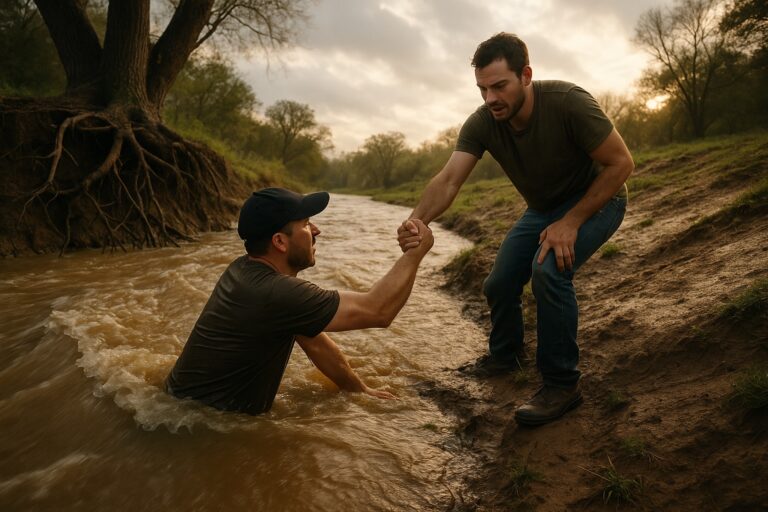
A Real-Life Good Samaritan Story Just Happened in Texas
A stranger waded chest-deep into flooded Texas floodwater to save a man clinging to a tree for his life. An ancient story predicted this exact moment.
 0
0
If You Don’t Use AI at Work, New Data Has News For You
New Gallup data shows employees who skip AI at work face triple the layoff risk in 2026 — a reminder your worth was never a productivity score.
 0
0
Earth’s Oceans Are Running Out of Oxygen, Scientists Warn
Oceans, lakes, and rivers worldwide are quietly losing oxygen, a new global study finds — and it echoes an old idea about where breath first came from.
 0
0
A New Blood Test Can Predict Your Heart Attack 15 Years Early. Here’s the One Thing It Still Can’t See.
A new AI blood test can predict heart disease up to 15 years before any symptoms appear. Here’s how the science works, and what it still can’t warn you about.