 0
0
 0
0
Something extraordinary happens inside you when you fall asleep.
Not rest in the vague, metaphorical sense. Something mechanical. Something measurable. Something that, until recently, neuroscientists couldn’t fully explain.
Now they can.
The Brain Circuit Scientists Just Mapped
In July 2026, researchers published findings identifying the specific brain circuit that links deep sleep — the slow, slow-wave stage your body fights its way into roughly 90 minutes after you close your eyes — with a cascade of healing events: growth hormone release, tissue repair, muscle reconstruction, and the memory consolidation that turns today’s experiences into tomorrow’s wisdom.
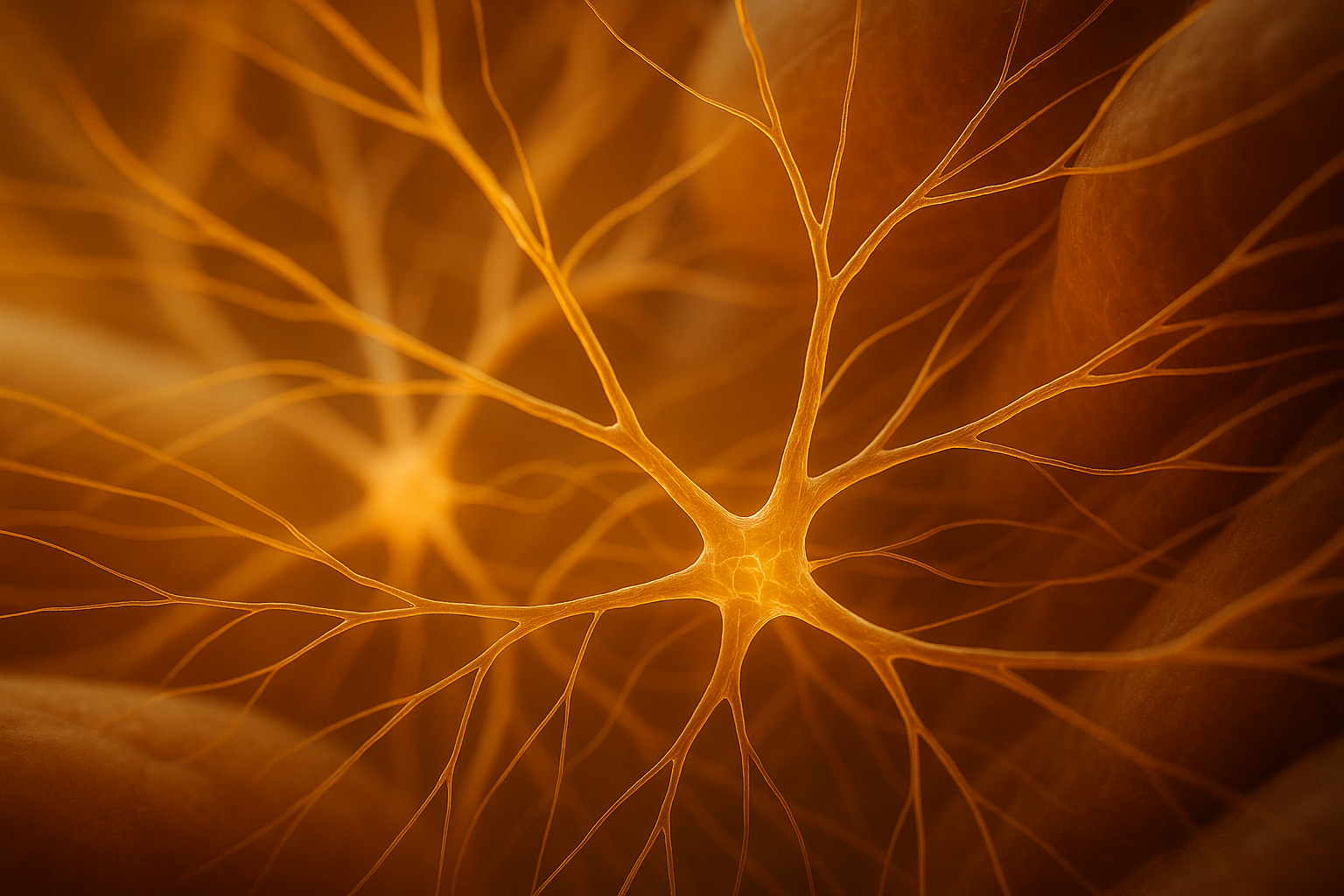
The circuit is centered in the hypothalamus, the walnut-sized structure at the base of your brain that functions as the body’s command center. During waking hours, it keeps you alert, regulated, and oriented toward the demands of the day. But when NREM (non-rapid eye movement) slow-wave sleep kicks in, a completely different program runs.
The hypothalamus coordinates a feedback loop. Slow electrical waves pulse through the cortex. Growth hormone surges — not the supplement version, but the body’s master repair signal. The pituitary gland listens. Cellular repair begins. The hippocampus replays the day’s memories at high speed and files what matters.
The glymphatic system — your brain’s waste-clearance network, first described in 2013 — opens up and flushes. Metabolic byproducts that accumulate during waking hours, including the proteins associated with cognitive decline, get swept out of the neural tissue while you sleep.
It isn’t rest. It’s renovation.
What Sleep Deprivation Has Actually Been Costing You
Sleep deprivation research has been building toward this conclusion for decades — from the other direction. We’ve known for years what happens when you don’t sleep: cortisol stays elevated, cellular repair stalls, memory consolidation fails, the immune system weakens, risk of metabolic disease climbs, decision-making degrades.
The circuit discovery tells the positive version of that story. It explains the mechanism behind what everyone who has ever had a genuinely transformative night of sleep already intuited: something was happening in there.
The average adult spends a third of their life sleeping. (For another example of ancient text anticipating modern neuroscience, see what David wrote about gratitude and the brain.) For most of human history, that fraction felt like lost time — the body’s unfortunate requirement, the price of consciousness, the hours borrowed from productivity.
What the research now shows is that those hours aren’t borrowed from your life. They’re the infrastructure of it.
The people who sleep least — the ones proud of five-hour nights, the ones optimizing waking hours down to the minute — aren’t getting ahead. They’re skipping maintenance. And the evidence on what deferred maintenance costs the brain, the heart, and the immune system is not ambiguous.
Not All Sleep Is Equal — This Is the Part That Matters
The repair circuit fires during slow-wave sleep specifically. That’s the deep, still stage your body prioritizes in the first few hours of the night. It’s distinct from REM sleep, which is when dreaming peaks and emotional processing happens. Both stages matter. But the growth hormone release, the tissue repair, the glymphatic flush — those are slow-wave events.
Which means they depend on the quality of your sleep, not just the quantity.
Alcohol suppresses slow-wave sleep despite inducing drowsiness. Late-night screen exposure delays slow-wave onset. Inconsistent sleep schedules fragment the architecture. High cortisol before bed — which describes most modern evenings — shortens the deep stage. You can log eight hours and still miss most of the repair cycle if slow-wave sleep is being suppressed.
The research from 2026 makes clear: the difference between sleeping and healing sleep is the difference between a car sitting in the garage and a car actually getting serviced. One is rest. The other is the whole point.
What a 3,000-Year-Old Poem Got Right
There is a poem — written by a king who spent his nights either running from armies or building a nation from nothing — that contains this line:
He grants sleep to those he loves.
Not allows. Not permits. Grants — as a deliberate gift.
For most of human history, that line read as comfort language. A way of saying something watches over you even when you can’t watch over yourself.
What the sleep research adds now is a different kind of reading.
Whoever — or whatever — designed the architecture of the human body also designed slow-wave sleep as a delivery system for healing. Not just a pause in consciousness. A repair window. A growth hormone cascade. A waste-clearance event. A memory archive. All of it happening in the hours when you are most vulnerable, most unguarded, most unable to protect yourself.
The hours when you can do the least for yourself are, by design, the hours when the most profound reconstruction happens inside you.
A gift is defined by the intent behind it. The research maps the mechanism. The poem suggests the motive.
The Practical Reality
None of this changes the fact that getting good sleep is harder than it sounds. The stressors that suppress slow-wave sleep are real. The 2am spirals are real. If you want to understand why the mind won’t slow down at night and what actually works, this is worth a look. The cortisol that refuses to come down after a difficult day is real.
But there’s something useful in knowing what you’re actually protecting when you protect your sleep — not just alertness the next morning, not just productivity, not just mood. The circuits that rebuild you. The mechanism your body has always had.
The deepest rest available to you isn’t passive. It’s the most active thing your body does. And it was apparently worth noting — by someone, somewhere, a long time ago — that this wasn’t an accident. It was a gift.
That might be worth treating like one.
Discussion Question: Sleep researchers now call quality sleep “the most underutilized health intervention available.” What’s getting in the way of your sleep most nights — and has anything actually helped? Drop it in the comments.
Share this if it landed:
“Scientists just mapped the brain circuit that makes deep sleep a healing event — growth hormone surges, tissue repairs, the brain flushes waste. It fires during slow-wave sleep only. We’ve been calling this ‘rest.’ It’s actually renovation.” [URL]
“What’s wild: there’s a 3,000-year-old poem that describes sleep as a deliberate gift. Scientists in 2026 just found the mechanism that makes that true. The oldest instruction manual and the newest research landed in the same place.” [URL]
Questions People Ask About Deep Sleep and Healing
What happens in the brain during deep sleep?
During slow-wave NREM sleep, the brain’s hypothalamus coordinates a feedback loop that triggers growth hormone release, tissue and muscle repair, memory consolidation, and glymphatic clearance — the brain’s waste-flushing system. This is the stage where the most significant physical restoration occurs, and it happens primarily in the first few hours of the night.
What is the glymphatic system?
The glymphatic system is the brain’s built-in waste-clearance network. During deep sleep, channels around blood vessels open up and allow cerebrospinal fluid to flush metabolic byproducts from brain tissue — including proteins associated with Alzheimer’s disease and cognitive decline. It operates primarily during slow-wave sleep and largely shuts down when you’re awake.
Why is slow-wave sleep more important than REM sleep?
Both stages matter, but slow-wave sleep is when the physical repair circuit fires. Growth hormone release, cellular restoration, and glymphatic clearing are all primarily slow-wave events. REM sleep handles emotional processing and certain types of learning. If you want the healing benefits of sleep — the tissue repair and brain cleaning — you need the deep, slow-wave stage specifically.
What reduces slow-wave sleep quality?
Alcohol is the biggest suppressor — it induces drowsiness but significantly reduces slow-wave sleep. Other factors: irregular sleep schedules, blue light exposure within two hours of bedtime, high cortisol from stress or intense exercise close to sleep, and stimulant intake in the afternoon and evening. You can sleep eight hours and still miss most of the repair window if these factors are present.
Is the brain circuit behind deep sleep healing well established in science?
Yes. The glymphatic system was described in 2013 by researchers at the University of Rochester. Growth hormone and deep sleep have been linked since the 1960s. The 2026 research identified the specific hypothalamic circuit coordinating the feedback loop that orchestrates these healing events — adding the mechanistic explanation that had been missing. The finding builds on decades of established sleep science.