 0
0
 0
0
U.S. and Saudi Arabia Reach Landmark Nuclear Cooperation Deal
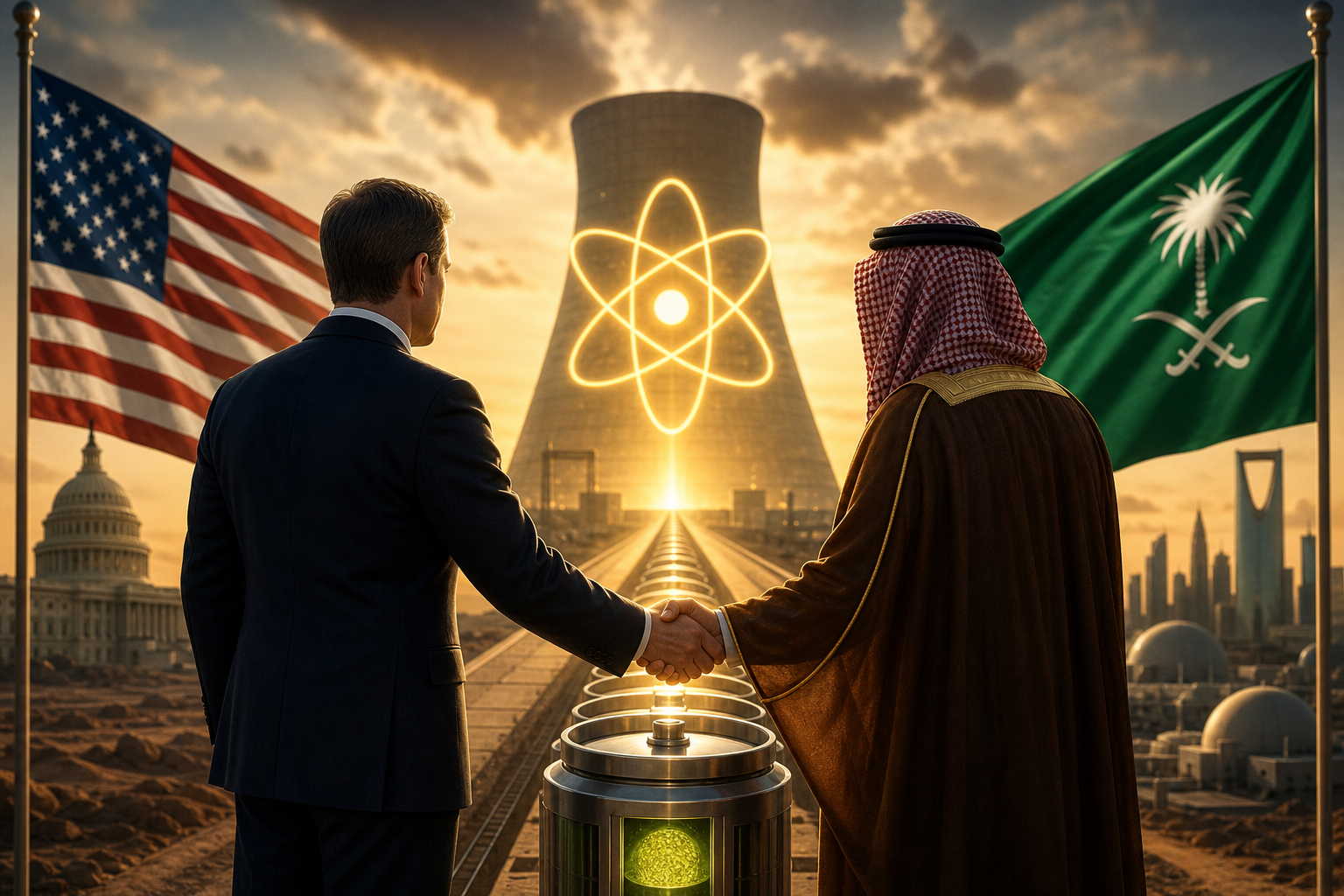
In a significant geopolitical development, the United States has officially signed a nuclear cooperation agreement with Saudi Arabia, paving the way for the kingdom to enrich nuclear fuel. This move marks a profound shift in U.S. foreign policy towards the Middle East, coinciding with ongoing global discussions about nuclear energy and security.
Multiple news outlets reported the details of this deal, which opens a strategic pathway for Saudi Arabia to develop its nuclear capabilities. According to The Washington Post, this agreement could place Saudi Arabia on a trajectory to become a key player in the global nuclear market. The Wall Street Journal highlighted that this deal is a "big win" for the kingdom, emphasizing its aspirations for energy diversification. Meanwhile, NBC News pointed out that this shift reverses a long-standing U.S. policy aimed at non-proliferation in the region.
As both nations navigate this new relationship, the implications are significant. The potential for Saudi Arabia to enrich uranium raises concerns about the nuclear arms race in an already volatile region. However, The New York Times notes that those in favor of the agreement argue that it provides a much-needed framework for civilian nuclear energy in the kingdom.
While the focus might be on the strategic and economic dimensions, a deeper reflection on this situation reveals the importance of stewardship and responsible governance. The Bible teaches that leaders have a solemn responsibility to care for their people and the world around them. Proverbs 21:1 states, “The king’s heart is in the hand of the Lord; He directs it like a watercourse wherever He pleases.” This verse serves as a reminder that even significant political decisions should be approached with mindfulness and ethical considerations.
As this cooperation develops, it invites all parties involved to reflect on their motivations and the broader implications of their actions. Amid complex international negotiations and power dynamics, the principles of peace, justice, and stewardship remain ever relevant.
As you contemplate this landmark deal, ask yourself: How can we pursue paths that foster collaborative dialogue and mutual respect, not just in politics, but in our daily interactions? Seeking wisdom and understanding is ultimately a journey worth pursuing, reinforcing the biblical call to love our neighbors and work for the common good.
In an ever-changing world, may we strive to navigate our paths with integrity and purpose, remembering that our choices can lead to greater peace and cooperation among nations.
If you want to want to know more about this topic, check out BGodInspired.com or check out specific products/content we’ve created to answer the question at BGodInspired Solutions
If positive Biblical wisdom matters to you, I’d love your support of the mission
Q&A about
Did the U.S. really sign a nuclear deal with Saudi Arabia?
Yes, the U.S. has signed a significant nuclear deal with Saudi Arabia, allowing it a path to enrich fuel. In the context of faith, this raises questions about stewardship and responsibility, reminding us that the earth and everything in it belongs to the Lord, as stated in Psalm 24:1. We are called to treat creation and its resources wisely and justly.
What does this nuclear deal mean for global peace?
The deal could lead to increased regional tensions, as it may prompt neighboring countries to pursue their own nuclear capabilities. From a biblical perspective, we are reminded in Matthew 5:9 that “blessed are the peacemakers.” As believers, we should pray for wisdom and peace in international relations, encouraging dialogue and cooperation rather than escalation.
How does this impact our faith and the future of humanity?
The pursuit of nuclear capabilities raises ethical questions about our responsibilities toward one another and creation. Jesus teaches us to love our neighbors as ourselves (Mark 12:31), prompting us to advocate for solutions that promote peace and safety for all. Our faith calls us to prioritize the well-being of others over power or security.
Should we be worried about nuclear weapons spreading?
Concern over nuclear proliferation is valid, as it poses risks not only to nations but also to innocent lives. In Revelation 21:4, we are promised a future without pain and death, which encourages us to strive for peace and justice in our world now. By engaging in prayer and advocacy, we can work toward a world where such fears are diminished.